







The First Rule: Trust Your Eyes and Nose
The golden rule of fermentation safety is simple: your eyes and nose are your best tools for inspection. A taste test should never be how you determine if a ferment has gone bad. If a ferment smells rotten, putrid, or foul, it should be discarded immediately
without tasting. A healthy ferment should smell pleasantly sour and tangy. While some strong odors can build up in a sealed jar, they should dissipate quickly, leaving behind a fresh, acidic aroma. If the smell makes you recoil, trust that instinct. The potential for harmful bacteria and mycotoxins from mold is not worth the risk of a small taste.
Visual Cues: What to Look For
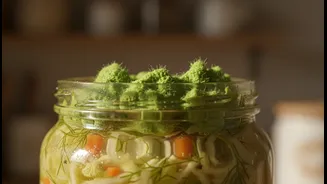
Spoilage often provides clear visual warnings. The most significant red flag is fuzzy mold. This is not the same as a flat, white film. Mold looks hairy, fuzzy, or like a patch of cotton and can be green, black, blue, pink, or orange. If you see fuzzy mold, the entire batch must be thrown away, as its spores can penetrate deep into the food and brine, even if you only see it on the surface. Another warning sign is an unnatural slimy texture. While some ferments have a natural softness, a strange, viscous slime indicates contamination and spoilage.
Harmless Imposters: Kahm Yeast vs. Mold
Many new fermenters panic and discard perfectly good batches by mistaking harmless yeast for dangerous mold. Kahm yeast is a common, non-pathogenic wild yeast that can form on the surface of ferments. It appears as a thin, flat, white or cream-colored film that might look wrinkly or powdery, but it is never fuzzy like mold. While Kahm yeast is harmless, it can affect the flavor, so it's often best to skim it off the surface with a clean utensil. Other normal signs include a cloudy brine, which signals active fermentation, and bubbles, which are just trapped carbon dioxide gas.
Understanding the Invisible Dangers
While mold is a visible threat, the fear of invisible pathogens like Clostridium botulinum, which causes botulism, is common. However, the risk of botulism in a properly made lactic acid ferment (like sauerkraut or kimchi) is virtually nonexistent. The process of fermentation creates an acidic environment by producing lactic acid. This acidity, combined with the salty brine, prevents the bacteria that cause botulism from growing and producing their toxin. Problems arise only when the fermentation process fails, for instance, by not using enough salt or failing to keep the vegetables submerged, which allows harmful microbes to thrive.
The Ultimate Guideline: When in Doubt, Throw It Out
Confidence in fermentation comes with experience, but food safety should always be the priority. It's easy to get attached to a batch you've cared for, but no amount of fermented food is worth the risk of a foodborne illness. If you are ever truly unsure whether a ferment is safe—if it has a combination of a bad smell, strange colors, and a fuzzy texture—the safest and most responsible decision is to discard it. Every failed batch is a learning opportunity. It can teach you about your process, whether it's adjusting salt levels, ensuring vegetables stay under the brine, or managing temperature.