



Looking for a high-intensity workout that builds strength, coordination, and cardio without needing any equipment or a sparring partner? Enter shadow boxing: the solo training method that delivers a full-body burn right from your living room.
What Exactly Is Shadow Boxing?
Shadow boxing
is the art of throwing punches at the air as if you were fighting an imaginary opponent. It’s a foundational drill for professional fighters, but its benefits extend to anyone seeking a dynamic and engaging workout. Because there’s no bag or opponent to make contact with, the entire focus shifts to your form, footwork, balance, and movement. This makes it an incredibly effective way to train your body and mind, building muscle memory and coordination while getting your heart rate up. It’s a workout that combines cardio and skill, keeping your brain just as engaged as your body.
The Full-Body Fitness Benefits
Don’t let the lack of equipment fool you; shadow boxing is a legitimate full-body workout. It’s a fantastic form of cardiovascular exercise that improves endurance and circulation. The constant movement, combined with bursts of punching combinations, functions like high-intensity interval training. Every punch starts from the ground up, engaging your legs, hips, and core to generate power. This rotational movement is key for building a strong, stable core. Meanwhile, your shoulders and arms build serious endurance from keeping your hands up and snapping out punches for multiple rounds. The result is improved muscle tone, agility, and body awareness that you’ll notice both in and out of your workouts.
Getting Started: Stance and Footwork
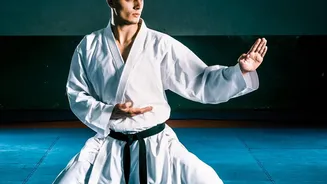
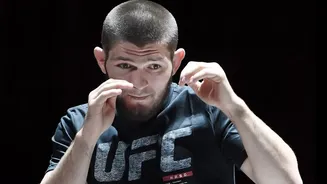
Before throwing a single punch, your foundation must be solid. A good boxing stance provides balance, power, and mobility. To start, stand with your feet about shoulder-width apart. If you are right-handed, your left foot will be your lead foot (this is called an 'orthodox' stance). Place your lead foot forward and your rear foot back, angled slightly outward for stability. Keep a slight bend in your knees and stay light on the balls of your feet, never flat-footed. Your hands should be up by your cheeks in a 'guard' position, with your elbows tucked in to protect your ribs. From here, practice moving forward, backward, and side-to-side with small steps, always maintaining your stance. The rule is simple: move the foot closest to the direction you want to go first.
Learning the Four Core Punches
With your stance set, you can learn the basic punches. Focus on control, not power.n n1. The Jab: This is a quick, straight punch with your lead hand. Snap it straight out and bring it back just as fast to your guard.n 2. The Cross: This is your power punch, thrown with your rear hand. As you punch, rotate your hips and pivot on your rear foot to generate force.n 3. The Hook: A short, looping punch thrown with either hand, bent at a 90ndegree angle. The power comes from whipping your hips and shoulder around.n 4. The Uppercut: A rising punch thrown from close range. Bend your knees and drive upward with your legs and hips.
A Beginner's 20ndegree Workout
Ready to put it all together? Try this simple, 20ndegree routine using a timer for rounds. Aim for 3ndegree minute rounds with 1 minute of rest in between.n n - Warm -Up (3 mins): Start with light jogging in place, arm circles, and torso twists.n - Round 1 (3 mins): Focus only on your stance and the jab. Move around, throw single and double jabs, and always bring your hand back to your guard.n - Rest (1 min)n - Round 2 (3 mins): Add the cross. Practice throwing jab -cross (1 -2) combinations while moving. Pivot your rear foot with every cross.n - Rest (1 min)n - Round 3 (3 mins): Add the lead hook. Practice jab -cross -hook (1 -2 -3) combinations, focusing on rotating your hips.n - Rest (1 min)n - Round 4 (3 mins): Freestyle. Mix all your punches and focus on constant movement. Imagine an opponent and practice defensive slips (small head movements) as well.n - Cool -Down (2 mins): Slow your breathing and stretch your shoulders, hips, and legs.
Common Mistakes to Avoid
As you get started, be mindful of a few common beginner habits. First, don't just plant your feet; good footwork is essential. Second, keep your hands up. It’s easy to drop your non -punching hand, but keeping your guard is crucial for form and conditioning. Third, breathe! Exhale sharply with every punch you throw instead of holding your breath. Finallyndegree don’t fully extend or 'snap' your elbow on punches. With no bag to stop the motion, this can cause strain over time. Focus on control and fluid movement.