






From Packets to Plates
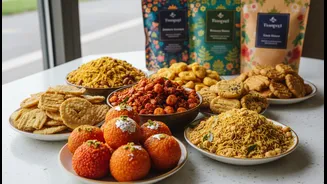
A significant transformation is underway in the global food industry, led by household names from India. Companies long associated with selling namkeen, sweets, and other snacks in packets are now venturing into the highly competitive restaurant business.
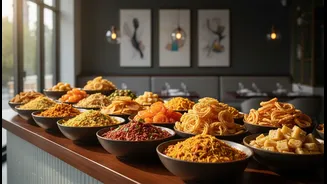
This isn't just about opening a few outlets; it's a strategic pivot from being product manufacturers to becoming creators of holistic dining experiences. Brands like Haldiram's and Bikanervala are leveraging decades of brand loyalty to de-risk their entry into foreign markets, betting that the trust they have built on the snack aisle will translate into foot traffic at their new international eateries. The goal is to move beyond the diaspora and attract a global audience curious about authentic Indian cuisine.
Haldiram's Leads the Charge
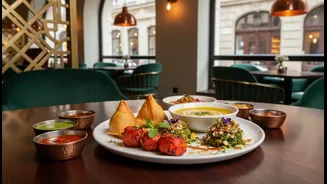
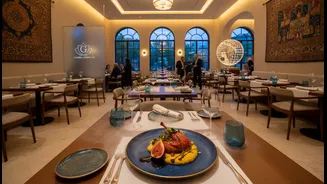
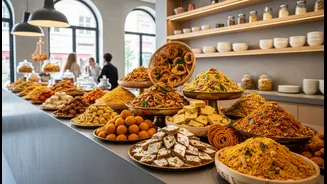
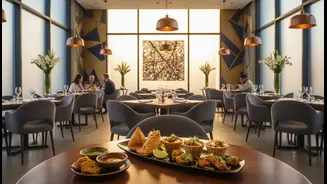
Perhaps the most prominent example of this trend is Haldiram's. Founded as a small shop in Bikaner in 1937, the company has grown into a multi-billion dollar empire. Recently, it has accelerated its global ambitions by opening full-service restaurants in key international hubs. A 110-seater restaurant was recently launched in London's iconic Leicester Square, drawing huge crowds and long queues, especially from the Indian community eager for a taste of home. This follows earlier launches, including a quick-service restaurant in Dubai in February 2025, with a second Dubai outlet opening in April 2026. This expansion is backed by significant foreign investment, including from Singapore's sovereign wealth fund Temasek, signaling strong confidence in the brand's global potential.
A Growing Movement
Haldiram's is not alone. Bikanervala, another legacy brand with roots dating back to 1905, is also aggressively expanding its restaurant footprint overseas. In July 2025, the company launched its flagship UK outlet in Hounslow, London, with plans to open 25 stores across the UK. This adds to its existing international presence in countries like the USA, UAE, Canada, and New Zealand. Meanwhile, Bikaji Foods is also strengthening its global operations, including its US subsidiary which focuses on distribution and trading. While its primary international strategy has been through packaged goods exports to over 30 countries, the company has a history of restaurant operations in India and is strategically moving into the broader food service sector. This collective push indicates a wider trend of Indian brands graduating from exporting products to exporting experiences.
The Strategy Behind the Spice
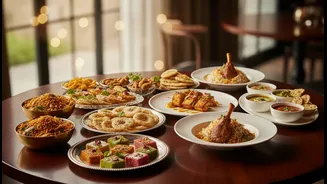
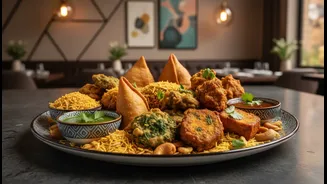
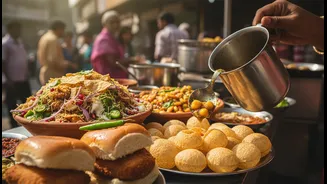
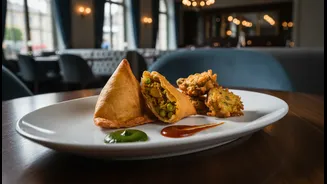
The move into the restaurant sector is driven by several strategic factors. First, it offers higher profit margins compared to the packaged goods business. Second, it allows brands to control the entire customer experience, ensuring their food is presented and tasted as intended. This is crucial for building a premium brand identity. The global appetite for diverse and authentic cuisines is also a major driver. Western consumers are more adventurous than ever, creating a ripe market for the rich variety of Indian street food and regional specialties that go far beyond standard curry house menus. By opening restaurants, these companies can showcase the depth of Indian cuisine, from chole bhature to raj kachori, in a modern, appealing setting.
Challenges on the Global Plate
However, the path is not without its obstacles. The international restaurant market is fiercely competitive. Brands must navigate complex food regulations, manage global supply chains to ensure authenticity and quality, and adapt menus to local palates without losing their traditional essence. For example, Haldiram's London restaurant was inspired by the success of casual dining chains like Dishoom and made a conscious effort to include vegan options and maintain accessible pricing to attract a broader audience. Success will depend on striking this delicate balance between being authentically Indian and globally appealing.