







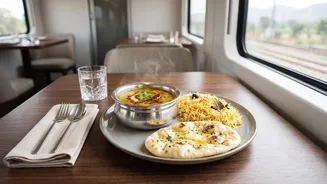
A New Recipe for Railway Food
In response to persistent passenger complaints about food quality, Indian Railways is implementing a multi-pronged strategy to tighten oversight of its catering services. A key part of this initiative involves a partnership between the Indian Railway Catering
and Tourism Corporation (IRCTC) and the Quality Council of India (QCI). This collaboration will introduce independent, surprise audits of catering facilities, both on trains and at station outlets. The goal is to enforce strict compliance with Food Safety and Standards Authority of India (FSSAI) regulations and elevate the entire catering ecosystem to higher standards of hygiene and quality.
Technology on the Menu
The new monitoring system is heavily reliant on technology to ensure transparency and accountability. In a first-of-its-kind initiative, Artificial Intelligence (AI) will be used to monitor meal preparation. Over 800 base kitchens are being equipped with thousands of AI-enabled CCTV cameras, all linked to a central 'war room' at the IRCTC headquarters in Delhi. This system can detect hygiene lapses in real-time, from improper food handling to a lack of cleanliness. Furthermore, QR codes are being added to food packets, allowing passengers to trace the meal back to its kitchen and see its manufacturing date. Vendors and catering staff will also carry QR code-enabled ID cards to verify their identity and authorisation, helping to curb the problem of unauthorised sellers.
What 'Increased Scrutiny' Means in Practice
For pantry outlets and station vendors, this plan translates into a far more rigorous operational environment. The surprise inspections by QCI will be unannounced and can happen quarterly or half-yearly. Inspectors will use a mobile application to document their findings with geo-tagged and time-stamped photographic evidence, making the audit process highly transparent and difficult to contest. These reports must be submitted within 24 hours, enabling authorities to take swift action. Penalties for non-compliance are severe and can range from hefty fines to contract termination and even debarment for defaulting licensees. The consistent pressure is designed to ensure that vendors maintain high standards not just on inspection days, but every day.
The Impact on Travellers
The ultimate beneficiary of this enhanced scrutiny is intended to be the passenger. The plan aims to provide travellers with safer, more hygienic, and better-quality food options. The ability to scan a QR code for meal details and verify a vendor's legitimacy adds a layer of trust that has often been missing. With measures like mandatory FSSAI certification for all units, the use of branded raw materials, and the deployment of food safety supervisors, the railway hopes to drastically reduce instances of food-related illnesses and complaints. While the transition might lead to some disruptions or changes in menu offerings as vendors adapt, the long-term vision is a more reliable and pleasant culinary experience for the millions who depend on the railways daily.
Challenges for Station Vendors
While passengers stand to gain, the new regulations present significant challenges for the thousands of small business owners who operate pantry outlets and food stalls. Compliance with FSSAI standards, investment in better infrastructure, and the pressure of constant digital surveillance require capital and a shift in operational habits. There is a concern that smaller vendors may struggle to meet these stringent requirements, potentially leading to a consolidation of catering contracts in the hands of larger players. The standardisation also aims to improve passenger access to daily essentials at reasonable rates, which adds another layer of operational adjustment for vendors. The success of the plan will depend not only on enforcement but also on supporting these vendors through the transition to ensure their livelihoods are protected while passenger safety is enhanced.