





Boost Your Immunity with Vitamin C
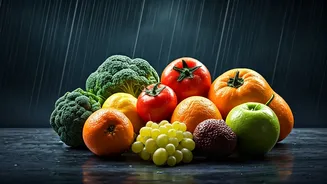
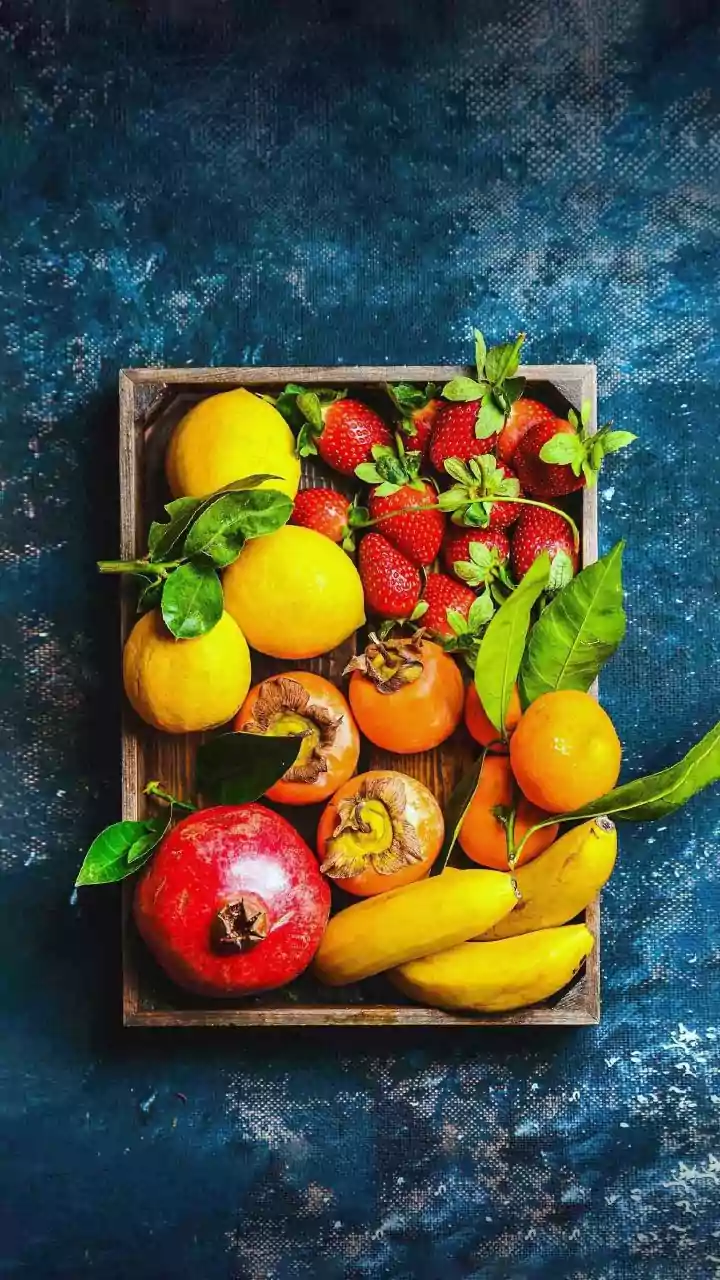
The damp and humid monsoon weather is a breeding ground for germs, making a strong immune system your first line of defence. Vitamin C is a powerful antioxidant that helps bolster immunity. While it's tempting to reach for all fruits, be selective. Opt
for fruits like oranges, sweet limes (mosambi), amla (Indian gooseberry), and jamun. These are not only rich in Vitamin C but are also seasonal monsoon favourites. A glass of lukewarm water with lemon and honey in the morning can also be a great start to your day. Avoid pre-cut fruits sold by street vendors, as they are highly susceptible to contamination.
Embrace Warm, Cooked Meals
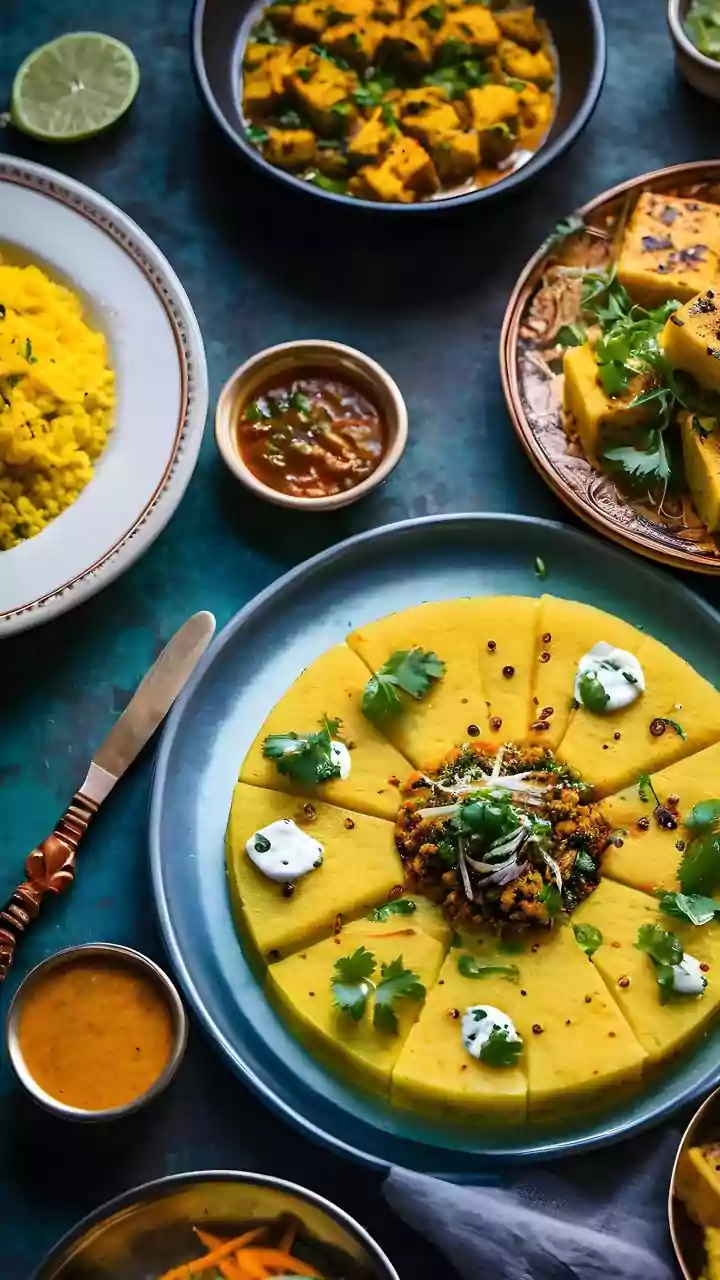
During the monsoon, our digestive system tends to become sluggish. Heavy, oily, and fried foods like pakoras and samosas, while tempting, can be difficult to digest and may lead to bloating and stomach issues. Instead, switch to light, warm, and freshly cooked meals. Think comforting bowls of soup (like tomato or mixed vegetable), simple moong dal khichdi, and steamed vegetables. These foods are not only easy on the stomach but also provide essential nutrients without overwhelming your system. Cooking kills most harmful microorganisms, making it a safer option than consuming raw foods during this season.
Harness the Power of Spices
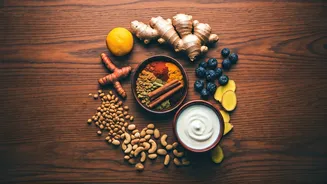
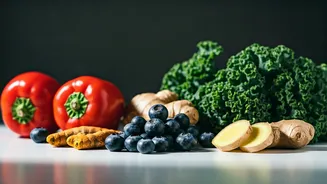
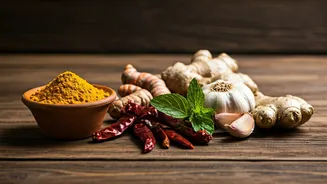
Indian kitchens are a treasure trove of medicinal spices that are particularly beneficial during the monsoon. Turmeric (haldi), ginger (adrak), garlic (lehsun), and black pepper (kali mirch) have potent anti-inflammatory, antibacterial, and antiviral properties. Add a generous pinch of turmeric to your dals and curries, start your day with ginger tea, or drink a warm glass of 'haldi doodh' (turmeric milk) before bed. These simple additions can help fight off infections, soothe a sore throat, and improve digestion, providing a natural shield against common monsoon ailments like the cold and flu.
Prioritise Gut Health with Probiotics
A significant portion of your immune system resides in your gut. Keeping your gut healthy is therefore crucial for overall wellness. Probiotics are beneficial bacteria that support a healthy digestive tract. Include probiotic-rich foods like dahi (yoghurt) and buttermilk (chaas) in your daily diet. These foods help maintain a healthy balance of gut flora, which aids digestion and enhances your body's ability to fight pathogens. Ensure the dahi is fresh and homemade if possible. A healthy gut means better nutrient absorption and a stronger immune response.
Be Selective with Vegetables
While vegetables are essential, you need to be cautious during the monsoon. Leafy greens like spinach and cabbage grow in damp conditions and can be laden with dirt, germs, and larvae that are hard to wash off. It’s best to limit their consumption or ensure they are thoroughly washed in clean water and cooked properly. Instead, favour gourds like lauki (bottle gourd), tinda (apple gourd), and parwal (pointed gourd). Vegetables like bitter gourd (karela) are also excellent as they have properties that help prevent infections. Always wash all vegetables thoroughly before cooking.
Hydrate Wisely and Avoid Street Drinks
Staying hydrated is important, but the source of your water is critical during the monsoon due to the high risk of water-borne diseases like cholera and typhoid. Drink only boiled, filtered, or purified water. Avoid juices, sugarcane juice, and other beverages from street-side stalls, as the water and ice used may be contaminated. Instead, prepare herbal teas at home with ingredients like tulsi, ginger, and cinnamon. These drinks not only keep you hydrated but also provide additional health benefits and warmth on a rainy day.