



The Great Unlearning of Instant Coffee
For a long time, coffee in most of India meant one thing: a quick, easy powder. Post-war convenience made instant coffee a household staple across the country, prized for its speed rather than its flavour profile. It was the default choice for students
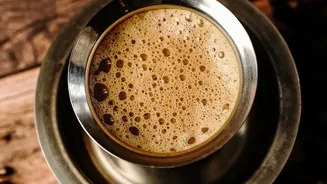
pulling all-nighters and families starting their day. While South India has a deep-rooted tradition of brewing filter 'kaapi'—a strong decoction often mixed with chicory and hot milk—the rest of the nation largely adopted the just-add-water approach. Today, that is rapidly changing. A cultural shift is underway, driven by Millennials and Gen Z who view coffee not just as a caffeine delivery system, but as an experience and a form of self-expression. This generation is intentionally moving away from the mass-produced powders of their parents' era, seeking something more authentic and engaging.
What is 'Specialty Coffee' Anyway?
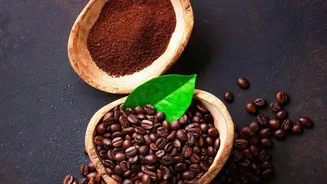
The term 'specialty coffee' represents a philosophy. It treats the coffee bean as an artisanal product, much like wine or fine chocolate. This movement, often called the 'third wave' of coffee, prioritises quality at every step of the process. It's about knowing where your coffee comes from, sometimes down to the specific estate or plot of land—a concept known as 'single-origin'. Unlike generic blends, specialty coffee showcases the unique flavour profile of the bean, influenced by its soil, climate, and processing method. This shift also involves how the coffee is brewed. Instead of simple percolation or dissolving powder, young enthusiasts are embracing manual methods like pour-overs, the AeroPress, and the French press, which give them greater control and highlight the nuanced flavours of the beans. The café is no longer just a place to get a drink; it's a space for education and discovery.
The Southern Cradle of India's Coffee
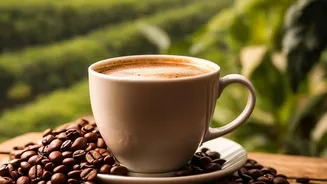
The heart of this coffee revolution beats in South India. While the trend is modern, its roots are deep in the country's history. Legend has it that in the 17th century, a Sufi saint named Baba Budan planted the first seven coffee beans in the hills of Chikmagalur, Karnataka. This region, along with Coorg, the Nilgiris, and other areas like the Araku Valley in Andhra Pradesh, forms India's primary coffee belt. For years, the highest-quality beans from these estates were reserved for export. Now, a growing domestic market is demanding access to this local treasure. Roasters are working directly with these farms to source premium Arabica beans, experimenting with processing and roasting techniques to bring out notes of chocolate, fruit, or spices that were often lost in dark, commodity-grade roasts. It's a celebration of Indian terroir, finally being appreciated at home.
Driven by Global Palates and the 'Gram
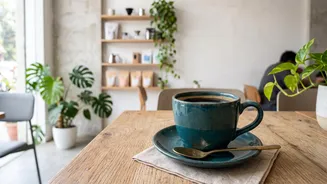
So, what's fuelling this change? It's a blend of factors. Increased global exposure through travel and media has introduced young Indians to international café culture, refining their palates and raising their expectations. Furthermore, specialty coffee is inherently aesthetic. From the minimalist decor of new-age cafés to the visual appeal of latte art and manual brewing equipment, the entire experience is perfectly suited for social media. For many, a cup of coffee has become a statement of personal taste and values. This generation is more conscious about consumption, seeking transparency and ethical sourcing. They want to know the story behind their cup—supporting local farmers and sustainable practices matters to them. Cafés have transformed into 'third places'—vibrant hubs for work, socialising, and community building, moving beyond a transactional exchange into a complete lifestyle.
From Bean to Cup, A New Ecosystem Arises
This shift wouldn't be possible without a new ecosystem of businesses making specialty coffee accessible. Homegrown brands like Blue Tokai, Third Wave Coffee, and Roastery Coffee House have been instrumental. They started by educating consumers and have since expanded across the country, opening cafés in major metros and even Tier-2 cities. The pandemic also accelerated the growth of direct-to-consumer (D2C) brands and subscription services, which deliver freshly roasted beans directly to customers' doorsteps. This empowered a generation of home-baristas who invested in brewing equipment and turned their morning coffee into a mindful ritual. These companies are not just selling a product; they are building communities around a shared passion, hosting coffee tasting workshops and sharing brewing tips online, and in the process, reshaping India's relationship with its homegrown beverage.