





The Golden Rule: Gradual Progression
The secret to getting stronger isn't about training to exhaustion every day. It’s about 'progressive overload'—making your workouts slightly more challenging over time. This doesn't just mean adding more repetitions. You can progress by increasing your sets,
reducing your rest time between exercises, or, most importantly, moving to a harder variation of an exercise. For example, once you can comfortably perform three sets of 12 incline push-ups, it's time to find a lower surface to increase the difficulty. This principle of slow, steady increases in challenge is what turns simple movements into powerful strength builders. Listen to your body, prioritise clean form over high numbers, and remember that consistency is the most critical factor.
The Pulling Progression: Back and Biceps
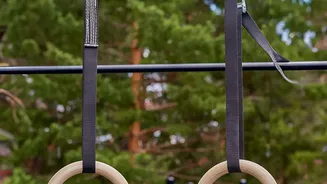
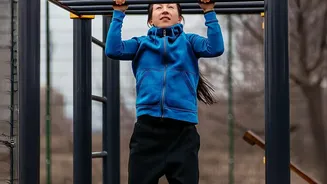
The pull-up is a foundational strength goal, but most beginners can't do one right away. The playground provides the perfect tools to build up to it. Start with Incline Rows. Find a low bar or the edge of a platform, about hip height. Lean back with your arms straight, keeping your body in a rigid plank from head to heels. Pull your chest towards the bar, squeezing your shoulder blades together. The more upright you are, the easier it is. As you get stronger, walk your feet forward to make your body more horizontal. Once you master rows, move to Negative Pull-Ups. Use a step or jump to get your chin over the pull-up bar. Then, as slowly as you can (aiming for 3-5 seconds), lower your body until your arms are straight. This eccentric phase builds the exact strength needed for the pulling motion.
The Pushing Progression: Chest, Shoulders and Triceps
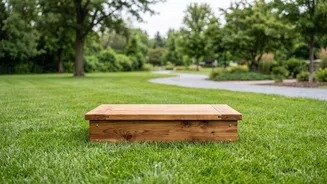
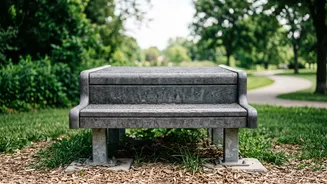
Push-ups are a versatile exercise that playgrounds make accessible for all levels. If a floor push-up is too hard, start with Incline Push-Ups. Place your hands on a park bench or a high bar. The higher the surface, the less bodyweight you're lifting. Focus on lowering your chest to the bench with control and pressing back up. When you can complete several sets of 10-15 reps, find a lower surface. Once you have mastered push-ups on the ground, you can make them harder with Decline Push-Ups. Place your feet on the bench and your hands on the ground. This elevation shifts more weight onto your chest and shoulders, providing a new challenge.
The Dip Progression: Triceps and Chest
Parallel bars are a common playground feature perfect for dips. To start, use a park bench for Bench Dips. Sit on the edge of the bench with your hands beside your hips. Slide your hips forward and lower your body by bending your elbows, keeping your back close to the bench. To make it easier, bend your knees and keep your feet closer to you. As you get stronger, walk your feet further out. Once you can do multiple sets with straight legs, you're ready to try Parallel Bar Dips. At first, you may only be able to hold yourself up with straight arms (a support hold) or perform slow negatives. You can also use your feet to assist on the way up. The goal is to gradually reduce assistance until you can perform a full dip.
The Leg Progression: Squats and Lunges
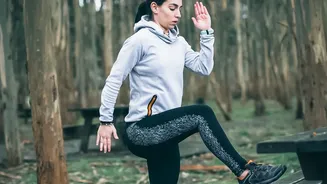
Don't neglect your lower body. While bodyweight squats are a great starting point, a park bench unlocks the next step: the Bulgarian Split Squat. Stand a few feet in front of a bench and place the top of one foot on the bench behind you. Lower your body until your front thigh is nearly parallel to the ground, keeping your torso upright. This single-leg exercise is fantastic for building strength and stability, and it will quickly expose any imbalances between your left and right side. Start with just your bodyweight until you can perform 8-12 controlled reps on each leg before considering adding any weight.