




Why Monsoon Disrupts Train Travel
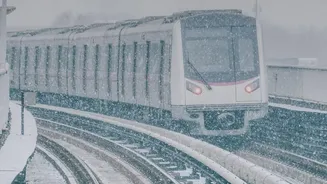
Before packing, it helps to understand what you're up against. Heavy monsoon rains create a trifecta of problems for the railways. Waterlogging on tracks is the most common issue, forcing trains to slow down or suspend services entirely. In hilly areas,
the risk of landslides poses a serious threat, capable of blocking routes for hours or even days. Lastly, poor visibility from intense rain and fog often compels locomotive pilots to operate at reduced speeds for safety, leading to cascading delays across the network. Recent instances in Maharashtra and Gujarat saw services suspended on major routes like Mumbai-Ahmedabad due to rising water levels, leaving thousands of passengers stranded.
The First Line of Defence: Waterproofing
Your first priority is to keep yourself and your belongings dry. A sturdy, lightweight raincoat and a compact umbrella are non-negotiable. Beyond personal gear, protecting your luggage is crucial. Invest in a waterproof backpack or, for a budget-friendly option, good-quality rain covers for your existing bags. Pack a variety of plastic bags and Ziploc pouches. These are invaluable for segregating wet clothes, protecting electronics like your phone and charger, and keeping important documents like your ticket and ID safe from water damage.
Power and Entertainment for Long Delays
A significant delay can be frustratingly boring, especially if you're stuck in a coach with no power. A fully charged power bank is one of the most important items you can carry. With train movement being unpredictable, your phone is your lifeline for checking your train's live status and staying in touch with family. Don't rely on patchy mobile networks for entertainment. Before you leave, download movies, shows, podcasts, and music onto your device. A good book or an e-reader can also be a lifesaver during an unexpectedly long halt.
Health and Hygiene on the Go
The monsoon season can increase health risks, and crowded trains can be breeding grounds for germs. Pack a comprehensive hygiene kit. This should include hand sanitiser, soap strips, and biodegradable wet wipes to stay fresh. Given the damp conditions, mosquito-borne illnesses like dengue can be a concern, so a good insect repellent is essential. Also, carry a basic first-aid kit with antiseptic liquid, bandages, pain relievers, and any personal medications you might need during a potential delay.
Food and Water Security
During heavy rain, pantry car services can be disrupted, and station vendors may be unavailable. Do not rely solely on the train for food and water. Pack non-perishable snacks like biscuits, nuts, and energy bars to tide you over. Carry a reusable water bottle, and if possible, one with a built-in filter. This ensures you have access to safe drinking water without having to buy plastic bottles. This simple step can keep you hydrated and healthy if your train is stopped for an extended period in a remote location.
Creature Comforts for a Better Journey
Smart packing isn't just about survival; it's also about comfort. The temperature inside a train coach can fluctuate, so wear quick-drying fabrics like synthetics instead of cotton or denim. Pack an extra pair of clothes in a waterproof bag. A thin blanket or a shawl can be very useful if it gets chilly. Finally, swap your regular shoes for water-resistant footwear with a good grip, like rubber sandals or floaters, to navigate slippery station platforms and coach floors safely.