



The Shift to Whole Foods
Fitness enthusiasts and health-conscious foodies are increasingly looking for cleaner, less processed ways to boost their protein intake, and that includes dessert. While protein powders offer convenience, they can also come with artificial sweeteners,
fillers, and a distinct aftertaste. This has sparked a creative movement towards using whole-food ingredients that are naturally rich in protein to create delicious, satisfying desserts. The focus is on nutrient density—getting protein along with the fiber, vitamins, and minerals that whole foods provide. This approach not only results in a better nutritional profile but often a superior taste and texture.
Dairy's Delicious Resurgence
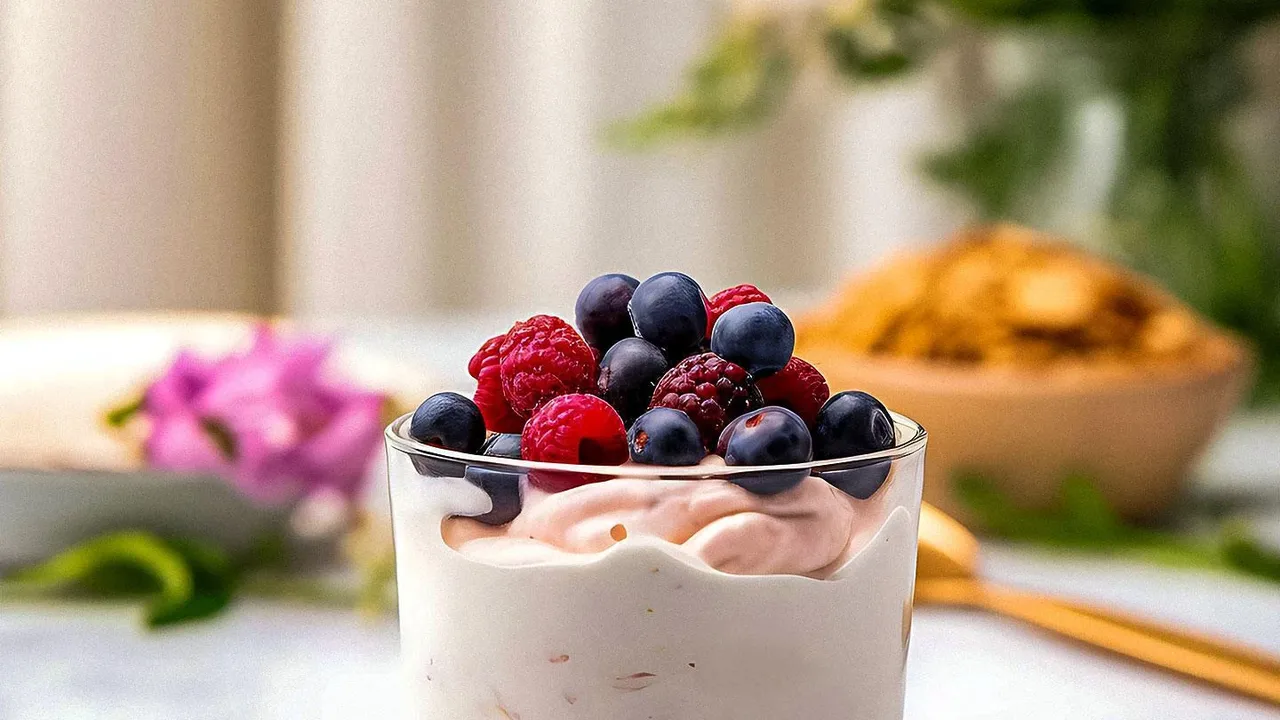
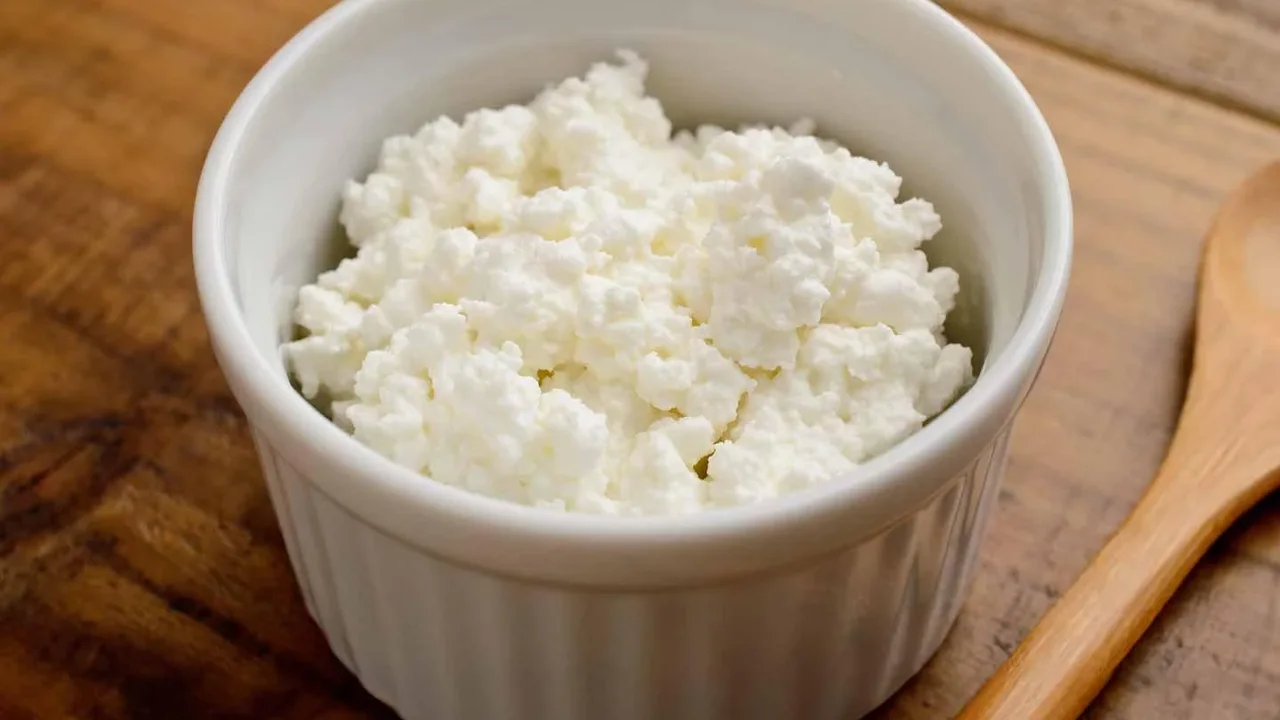
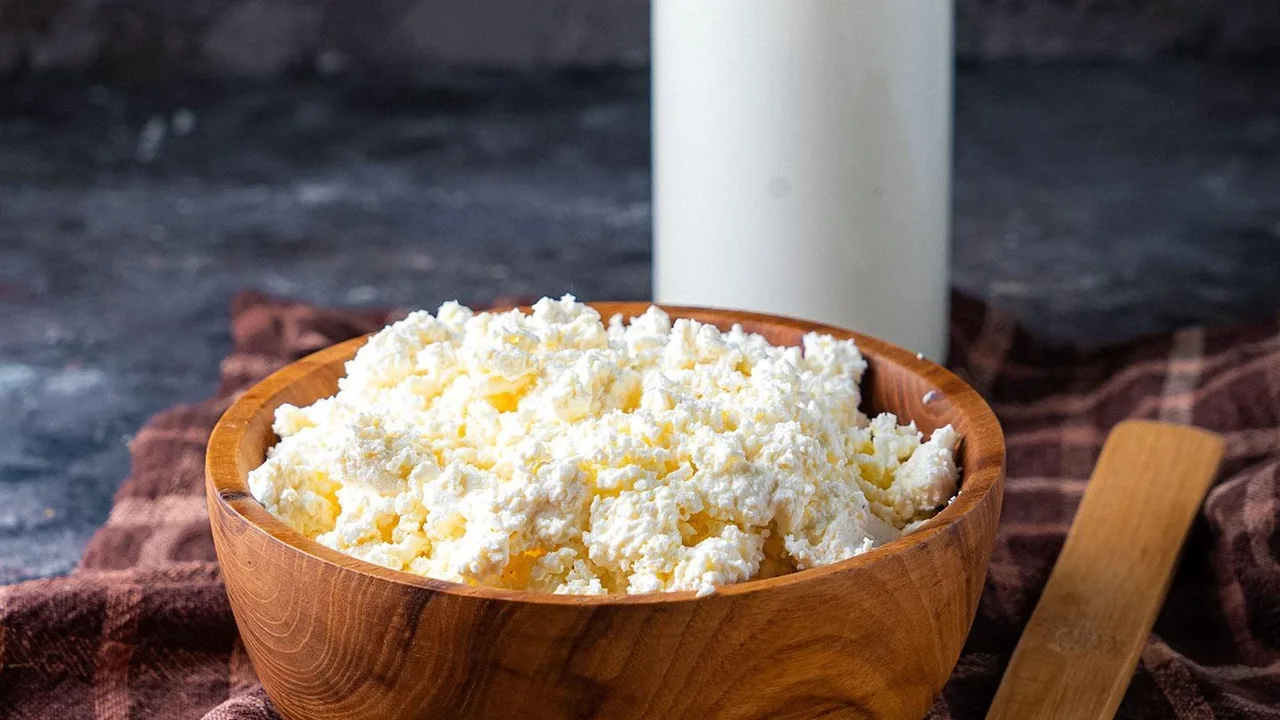
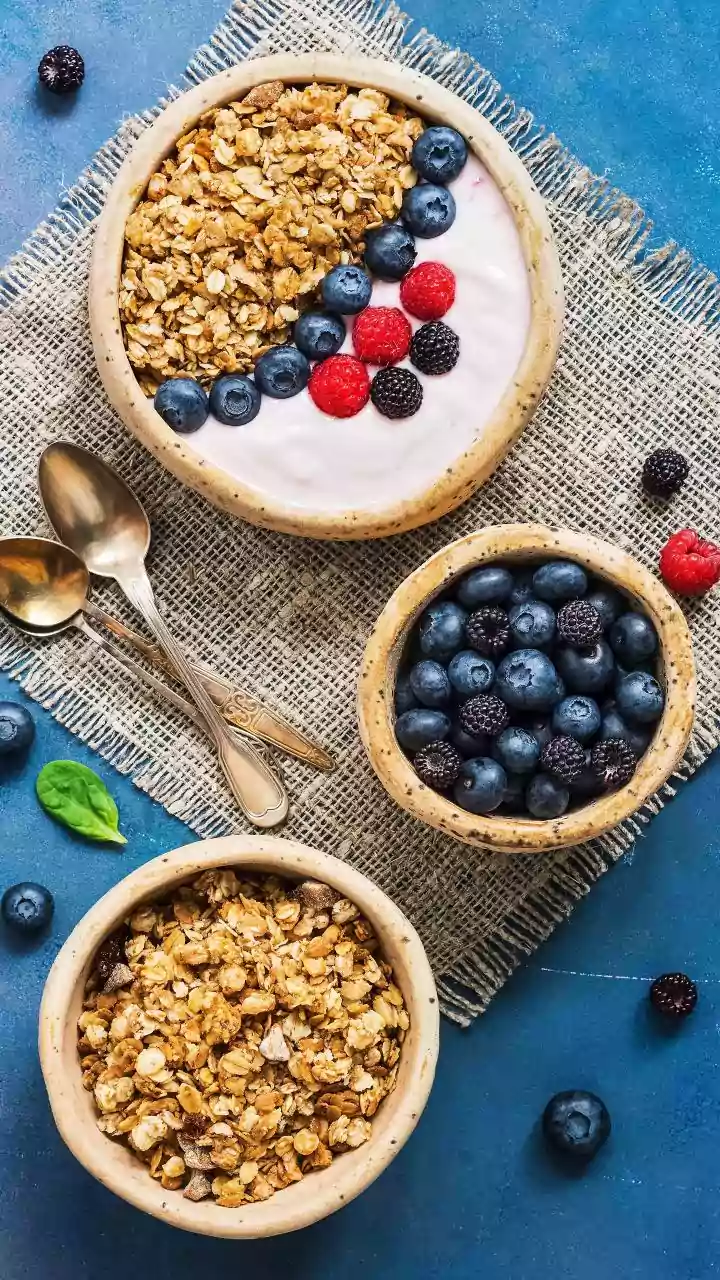
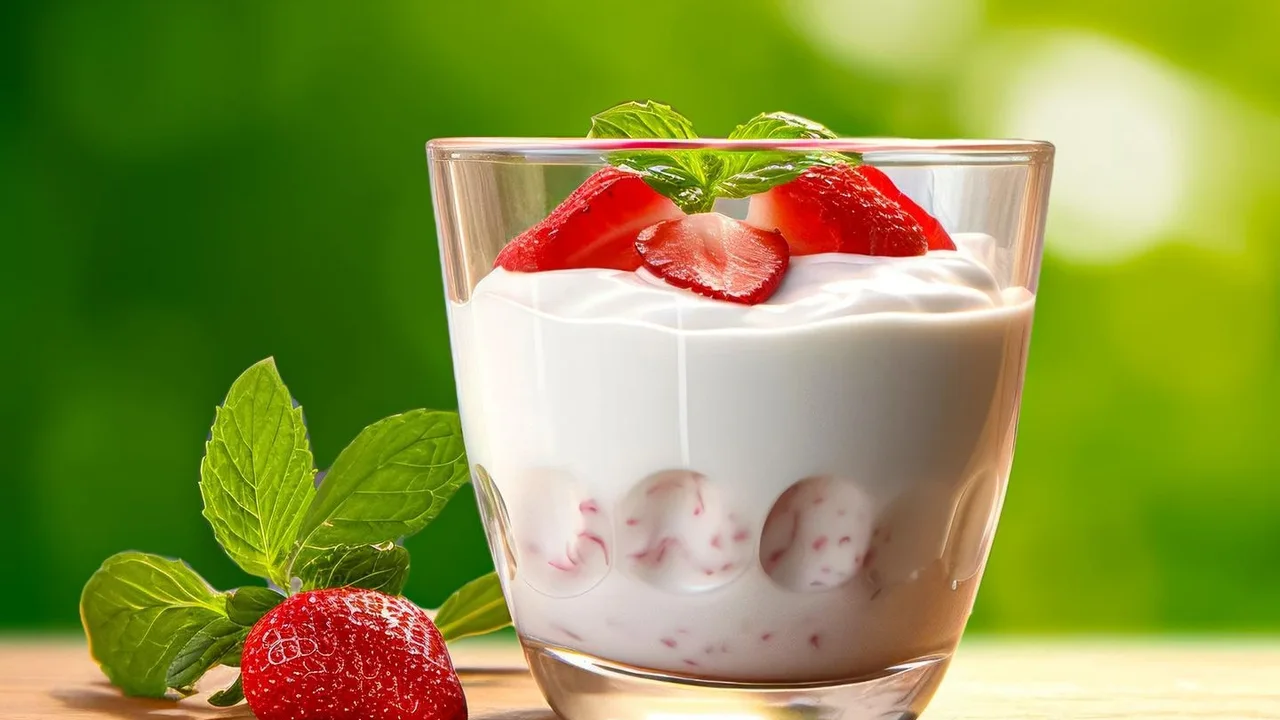
Leading the charge are two dairy powerhouses: Greek yogurt and cottage cheese. Once a humble diet staple, cottage cheese has become a viral sensation, celebrated for its versatility and high protein content—around 14 grams per half-cup. When blended, it creates a smooth, creamy base perfect for cheesecakes, ice cream, mousse, and even edible cookie dough. Similarly, Greek yogurt provides a tangy, rich texture and a significant protein boost, making it an ideal substitute for sour cream or heavy cream in everything from frozen yogurt bark to decadent pies. These ingredients deliver creaminess without the need for processed powders.
The Unexpected Power of Legumes
Perhaps the most surprising development is the use of legumes in sweet treats. Black beans, chickpeas, and even lentils are being secretly blended into brownies, blondies, and cookies. When pureed, these beans have a neutral flavor and a dense, fudgy texture that mimics flour and fat. A batch of black bean brownies or lentil cookies can deliver a surprising amount of plant-based protein and fiber, helping to stabilize blood sugar. Recipes for chickpea cookie dough and lentil brownies have proven that you can create indulgent-tasting desserts that are genuinely good for you.
Nuts, Seeds, and Flours Join In
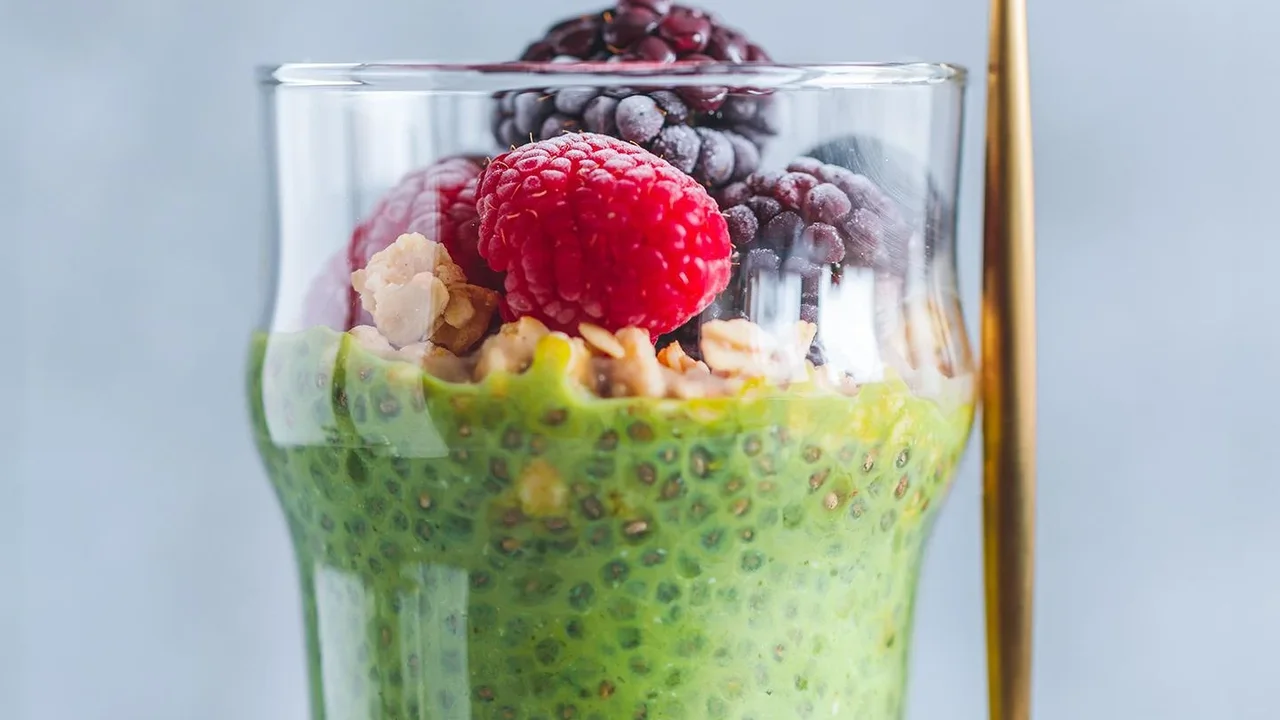
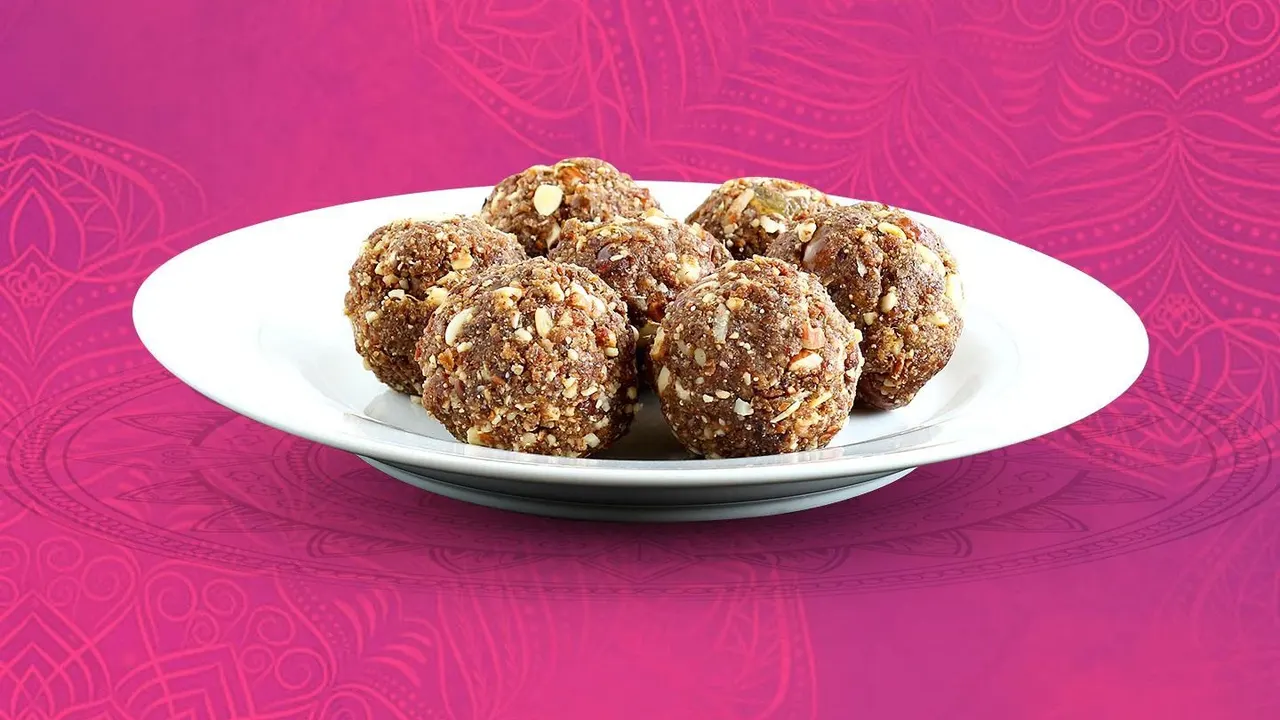
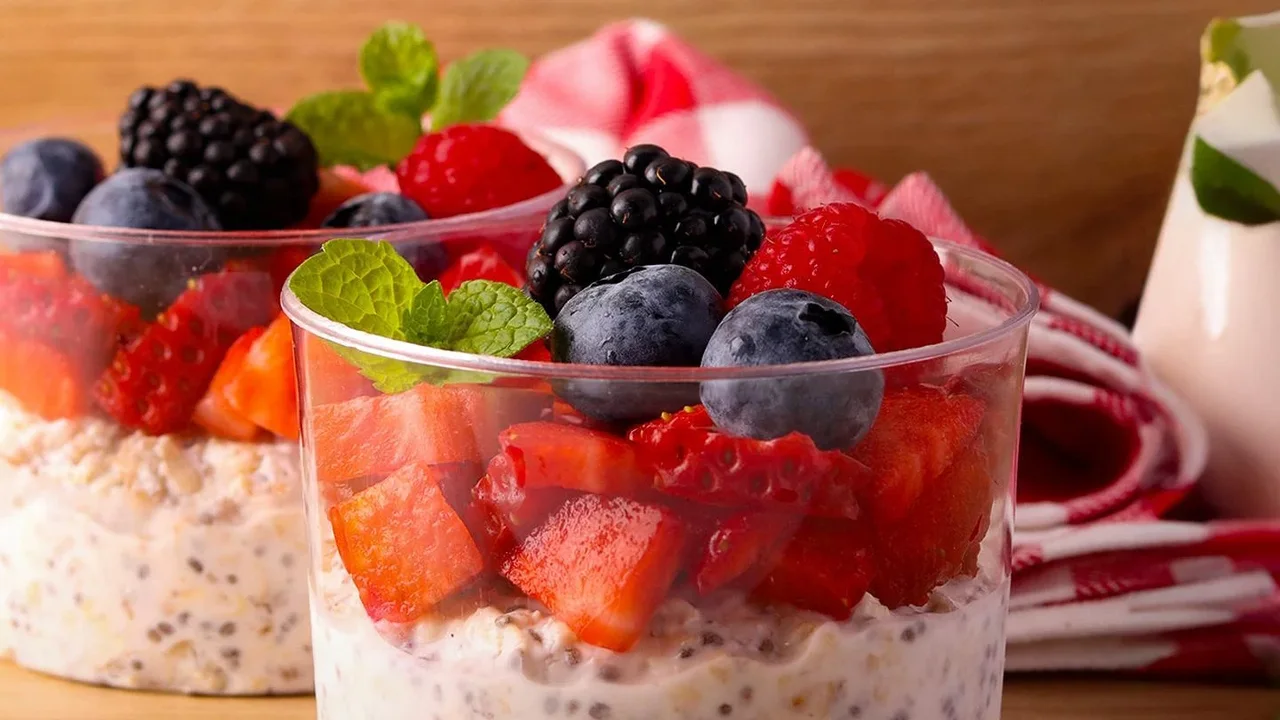
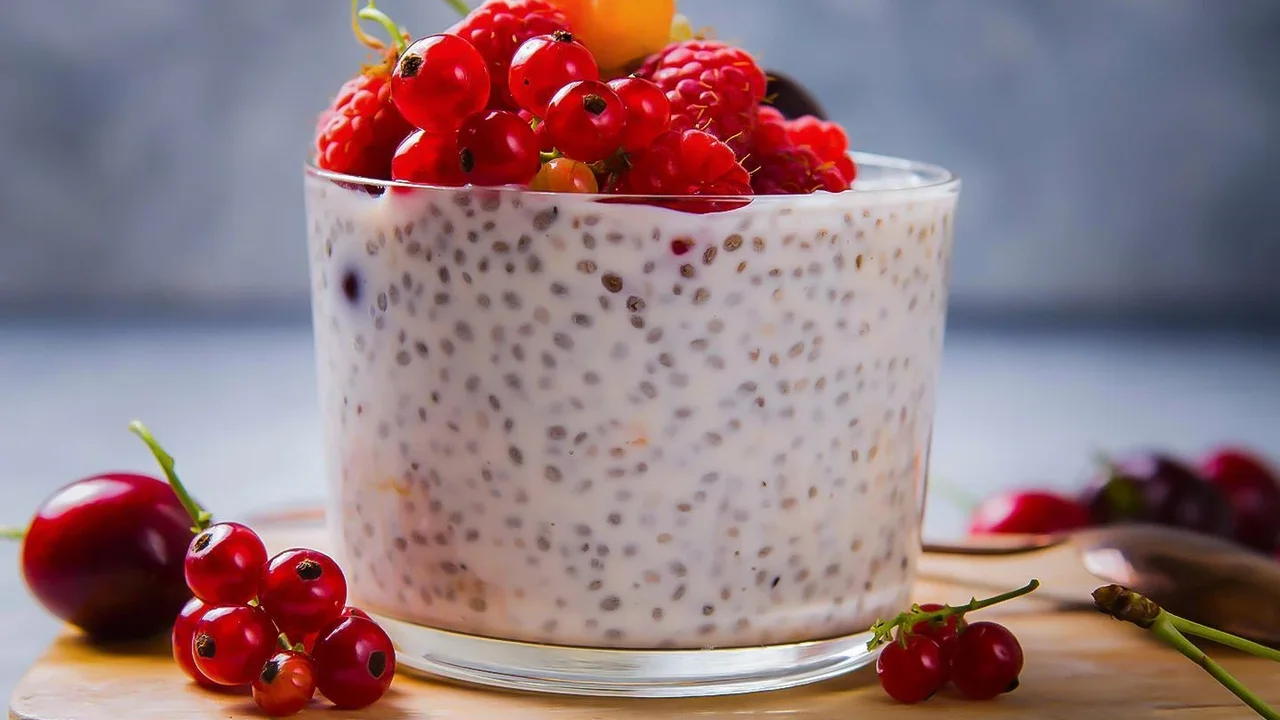
The whole-food protein trend doesn't stop with dairy and beans. Nutrient-dense flours, nuts, and seeds are also playing a key role. Almond flour offers a gluten-free alternative to wheat flour while adding about 6 grams of protein per quarter-cup. Nut butters made from peanuts or almonds provide healthy fats and a protein boost in everything from bars to ice cream. Seeds like chia, hemp, and flax are incorporated to enhance protein content further while also adding valuable fiber and omega-3 fatty acids. These ingredients work together to build treats that are more nutritionally complete.
A Healthier Treat, Not a Free Pass
While these whole-food desserts are a significant step up from their ultra-processed predecessors, they are still treats. Portion control and mindfulness remain important, as many recipes still contain sugars from sources like maple syrup or honey, and calories from fats in nuts and seeds. The benefit lies in getting more nutritional bang for your buck—protein that keeps you full, fiber that aids digestion, and a cleaner ingredient list. The goal isn't to eat unlimited brownies but to make the brownie you do eat work a little harder for your health.