


A Junkyard in the Sky
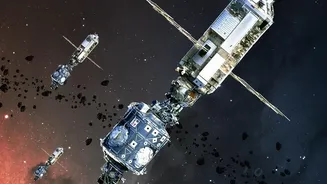
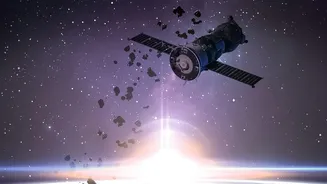
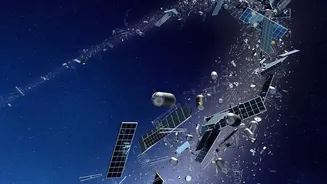
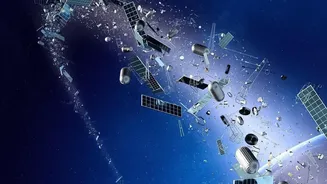
Imagine millions of objects, from defunct satellites to tiny paint flecks, whipping around the planet at over 28,000 kilometres per hour. This is the reality of space debris. In orbit, even a centimetre-sized fragment can strike with the force of a bowling
ball, capable of disabling or destroying a multi-crore satellite. The risk is not hypothetical. The Indian Space Research Organisation (ISRO) is constantly monitoring these threats. In 2025 alone, the agency performed a record 140 collision-avoidance manoeuvres (CAMs) to safeguard its space assets. Each dodge, while necessary, consumes precious fuel and can disrupt a satellite's mission, shortening its operational lifespan.
India's Eyes in Orbit
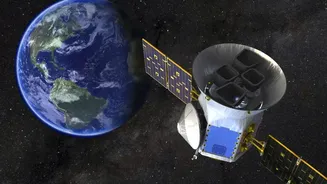
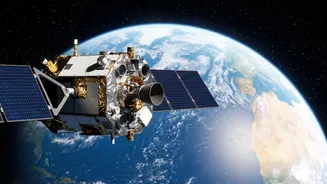
India operates a sophisticated fleet of more than 50 satellites, many of which are Earth-observation spacecraft. These are not just cameras in the sky; they are vital national infrastructure. They monitor weather patterns, manage agricultural resources, provide critical data for disaster response, and support national security. The NISAR satellite, a joint mission between NASA and ISRO launched in 2025, for instance, provides incredibly detailed, three-dimensional views of Earth's surfaces to track changes with centimetre-level precision. Protecting these high-value assets is a top priority, which is why ISRO has developed a comprehensive strategy known as Project NETRA (NEtwork for space object TRacking and Analysis). This initiative gives India an independent capability to track and predict the movement of orbital debris.
A Smart Shield for Satellites
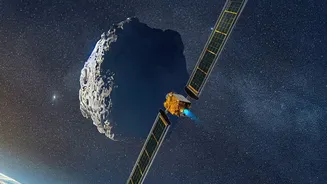
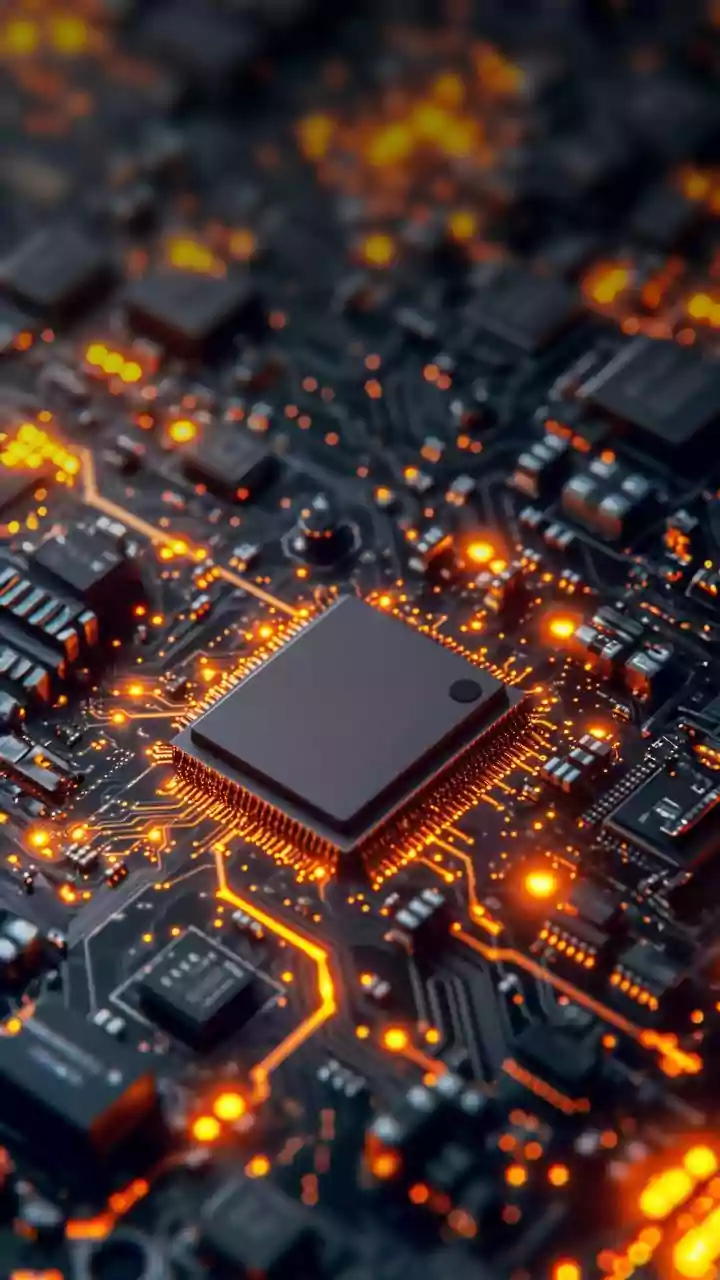
The headline-making development is the fusion of two key technologies: artificial intelligence and advanced electric propulsion. Instead of relying solely on ground commands, the new system aims to make collision avoidance more autonomous. AI algorithms are being developed to process vast amounts of data from ground and space-based sensors, predict potential collisions, and even recommend or execute avoidance manoeuvres automatically. Think of it as a 'self-driving' capability for satellites. If an object gets too close, the satellite could automatically determine the threat and fire its thrusters to move to a safer orbit. This dramatically reduces the reaction time and frees up human operators to focus on more complex challenges.
The Power of Plasma
Executing these AI-driven manoeuvres requires a new kind of engine. Traditionally, satellites have used chemical propellants, which are powerful but heavy and finite. ISRO has been making significant strides in electric propulsion, specifically Stationary Plasma Thrusters (SPTs). In March 2025, ISRO successfully completed a 1,000-hour endurance test of its indigenously developed 300mN SPT. These thrusters use xenon gas and electric power to create a plasma, generating a gentle but highly efficient thrust. They are up to six times more fuel-efficient than chemical rockets. This efficiency means satellites can be lighter at launch or carry less fuel, extending their mission life significantly and allowing for more frequent orbital adjustments without the fear of running out of gas.
The Future of Space Operations
This combination of AI-powered awareness and efficient electric propulsion represents a major leap for India's space program. It moves beyond simply reacting to threats and towards a more proactive, intelligent, and sustainable model of space operations. Systems like Project NETRA provide the 'eyes', AI provides the 'brain', and electric thrusters provide the 'legs' for this new generation of satellites. This capability is crucial not only for protecting existing assets but also for managing the increasingly complex orbital environment, driven by the launch of large satellite constellations. For ISRO, it solidifies its position as a major space power committed to the long-term safety and sustainability of activities in Earth's orbit.