







More Than Just a Dip
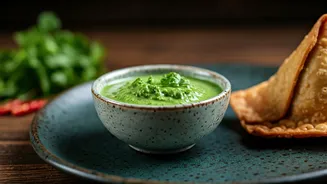
Call it hari chutney, dhania-pudina chutney, or simply green chutney—its role in Indian cuisine is undeniable. This humble condiment is a powerhouse of fresh, punchy flavour that can brighten up the richest of dishes and elevate the simplest of snacks.
It’s the taste of street-side pani puri on a hot day, the comforting companion to a plate of homemade pakoras during the monsoon, and the secret weapon in countless lunchbox sandwiches. Its ubiquity isn’t just about taste; it’s a culinary thread connecting lavish restaurant meals to quick, everyday home cooking. It’s a condiment, a marinade, a spread, and a dressing all in one. Making it from scratch is a rite of passage, and while every family has its own slight variation, the version that has captured the nation's heart is a beautifully balanced blend of coriander and mint.
The Anatomy of Perfection
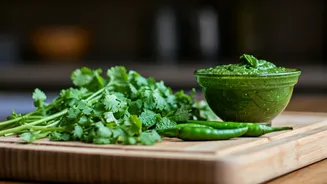
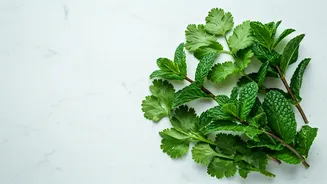
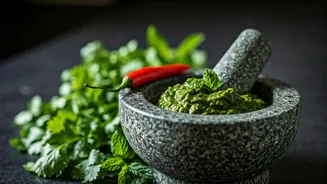
At its core, this iconic chutney is a symphony of a few key ingredients. The foundation is fresh coriander (dhania), which provides a bright, citrusy, and herbaceous base. Crucially, don’t discard the tender stems—they pack more flavour than the leaves. Next comes mint (pudina), which adds a cooling, sharp freshness that cuts through grease and spice. The balance is key; too much mint can make the chutney bitter and overpowering, so a good rule of thumb is a 2:1 ratio of coriander to mint. For heat and pungency, green chillies and a small piece of ginger are essential. Finally, an acid like lemon or lime juice not only provides a necessary tang but also helps preserve the chutney’s brilliant green colour.
The Secrets to a Better Chutney
The difference between a good green chutney and a great one lies in the details. First, to maintain that vibrant colour, use chilled water or a couple of ice cubes when blending. The heat from the blender's motor can cause the herbs to oxidise and turn a dull, dark green. Second, achieve the perfect flavour balance. A pinch of sugar is not for sweetness but to round out the sharp and spicy notes. Kala namak (black salt) adds a sulphurous, tangy depth that regular salt can’t replicate. Some recipes call for a spoonful of roasted chana dal or a few peanuts to give the chutney a thicker, creamier body that helps it cling to snacks instead of being watery. Don't be afraid to taste and adjust. Is it too spicy? Add more coriander. Too bland? A bit more black salt or lemon juice might be all it needs.
Your Go-To Recipe
Here is a classic, versatile recipe that you can adapt to your taste. **Ingredients:** - 2 cups packed fresh coriander, with tender stems - 1 cup packed fresh mint leaves - 2-3 green chillies, adjusted to your spice preference - 1-inch piece of ginger, roughly chopped - 2 cloves of garlic (optional, but recommended) - 2 tablespoons lemon juice - 1 teaspoon chaat masala - ½ teaspoon roasted cumin powder - ½ teaspoon black salt (kala namak) - ½ teaspoon sugar - 2-4 tablespoons of cold water or ice cubes **Instructions:** 1. Wash the coriander and mint leaves thoroughly. Drain completely. 2. Add all the ingredients to a blender or mixer grinder. 3. Start with 2 tablespoons of cold water. Blend until you have a smooth, uniform paste. If the mixture is too thick to blend, add another tablespoon or two of water, but be careful not to make it too runny. 4. Scrape down the sides of the blender and blend again to ensure there are no coarse bits left. 5. Taste and adjust the seasoning. You might need more salt, lemon juice, or a little more chilli. Your perfect chutney is ready to serve.
Beyond the Samosa
While it's the perfect partner for fried snacks, this chutney’s utility is boundless. Mix it with yogurt to create a refreshing raita for biryanis and kebabs. Slather it on bread with butter and cucumber for the classic Bombay sandwich. Use it as a marinade for paneer tikka, chicken, or fish before grilling. Drizzle it over dahi vada, aloo tikki, and sev puri for an instant flavour boost. You can even thin it out with a little more water and olive oil to make a zesty and healthy salad dressing. Its ability to adapt is what makes it an indispensable part of the Indian culinary landscape.
Keeping It Fresh and Green
Freshly made chutney is always best, but you can easily store it. Pour it into a clean, airtight glass jar and it will stay fresh in the refrigerator for up to a week. A thin layer of oil on top can help prevent discolouration. For longer storage, the freezer is your best friend. Pour the chutney into an ice cube tray and freeze. Once solid, transfer the cubes to a zip-top bag. This way, you can pop out a cube or two whenever you need a quick burst of fresh flavour. The chutney will stay good for up to three months, retaining its taste and colour remarkably well.