





Understanding the Enemy: What Is Root Rot?
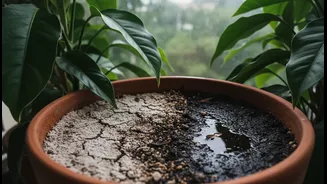
Root rot is a disease that attacks a plant's root system, and it is one of the most common reasons potted plants fail. It’s primarily caused by a lack of oxygen in the soil, which happens when the soil is waterlogged for too long. This oxygen-deprived,
soggy environment becomes a breeding ground for fungi and bacteria that cause the roots to decay. Once the roots begin to rot, they can no longer absorb the water and nutrients the plant needs to survive, essentially causing it to starve and dehydrate, even when sitting in wet soil.
The Monsoon: A Perfect Storm for Rot
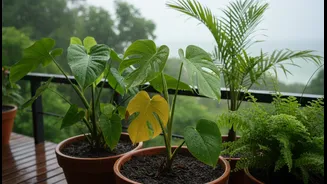
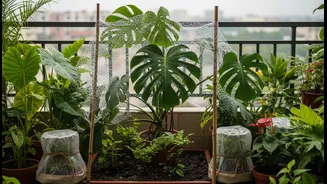
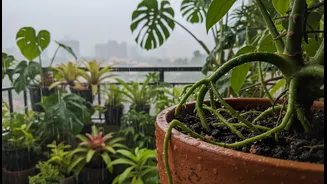
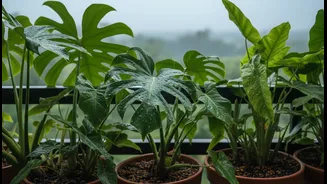
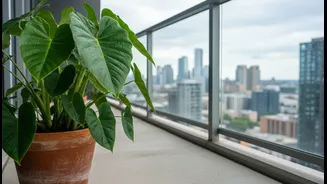
Intense monsoon seasons create the ideal conditions for root rot, especially for plants in balcony containers. Constant rain, combined with high humidity and reduced sunlight from cloudy skies, means the soil in pots stays saturated for days on end. Unlike plants in the ground, balcony pots have limited drainage. If drainage holes are insufficient or blocked, water has nowhere to go, suffocating the roots. Tropical plants, while loving humidity, are particularly susceptible because their roots are sensitive to being constantly wet.
Spotting the Early Warning Signs
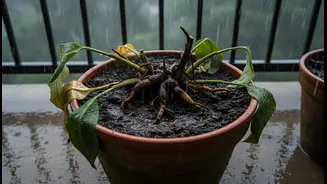
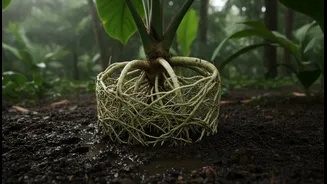
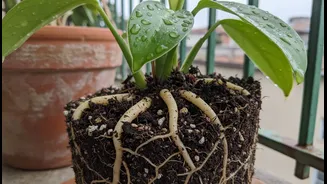
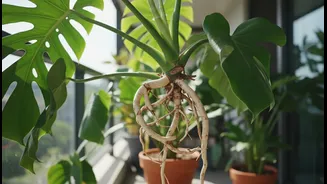
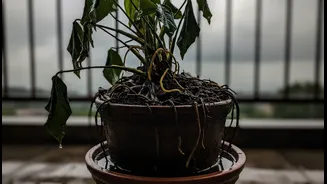
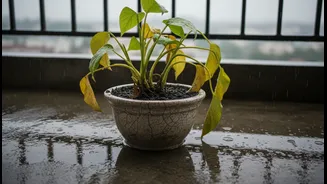
Catching root rot early is crucial for survival. Look out for leaves that are turning yellow, especially the lower ones, or wilting even when the soil is damp. This is a classic sign that the roots are damaged and can't absorb water. Other symptoms include stunted growth, new leaves that are small, or a generally unhealthy appearance. If you suspect a problem, a quick sniff of the soil might give you a clue; a foul, musty, or swampy smell indicates decay is happening below the surface. To be certain, you must gently check the roots. Healthy roots are typically firm and white or light-coloured, while rotten roots will be brown, black, and mushy.
Prevention Is the Best Cure
The key to a thriving monsoon garden is prevention. Start with the right foundation: your potting mix. Never use heavy garden soil, which compacts and holds too much water. Instead, use a light, well-draining potting mix. You can buy pre-made mixes for containers or create your own by combining potting soil, compost, and a drainage-improver like perlite or coarse sand. Also, ensure every pot has adequate drainage holes. Elevating your pots on bricks or plant stands can dramatically improve drainage and airflow, preventing them from sitting in puddles.
Smart Monsoon Care Habits
During the monsoon, change your care routine. Stop watering on a schedule and only water when the top one to two inches of soil feel dry to the touch; the rain will often do the job for you. If possible, move sensitive plants to a spot with cover from the heaviest downpours. Improve air circulation by spacing your plants out to help the foliage and soil surface dry faster, which discourages fungal growth. Prune any dead or yellowing leaves to maintain plant health and remove potential sites for disease. Finally, hold back on fertilising. Nutrients can easily be washed out of pots by heavy rain, and struggling, waterlogged roots cannot absorb them anyway.
Can This Plant Be Saved? A Rescue Guide
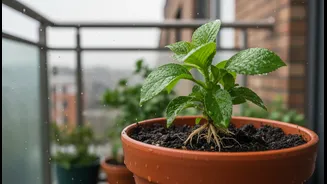
If you've confirmed root rot, you must act fast. Gently remove the plant from its pot and wash the soil from the roots. Using a pair of clean, sharp scissors, trim away all the mushy, brown, or black roots, leaving only the healthy, firm, white ones. If you have to remove a lot of roots, prune about one-third of the plant’s leaves as well; this reduces the stress on the smaller root system. Treat the remaining roots with a fungicide or a diluted hydrogen peroxide solution to kill off any lingering pathogens. Finally, repot the plant in a clean pot with fresh, sterile, well-draining potting mix.