


A Health-Conscious Makeover
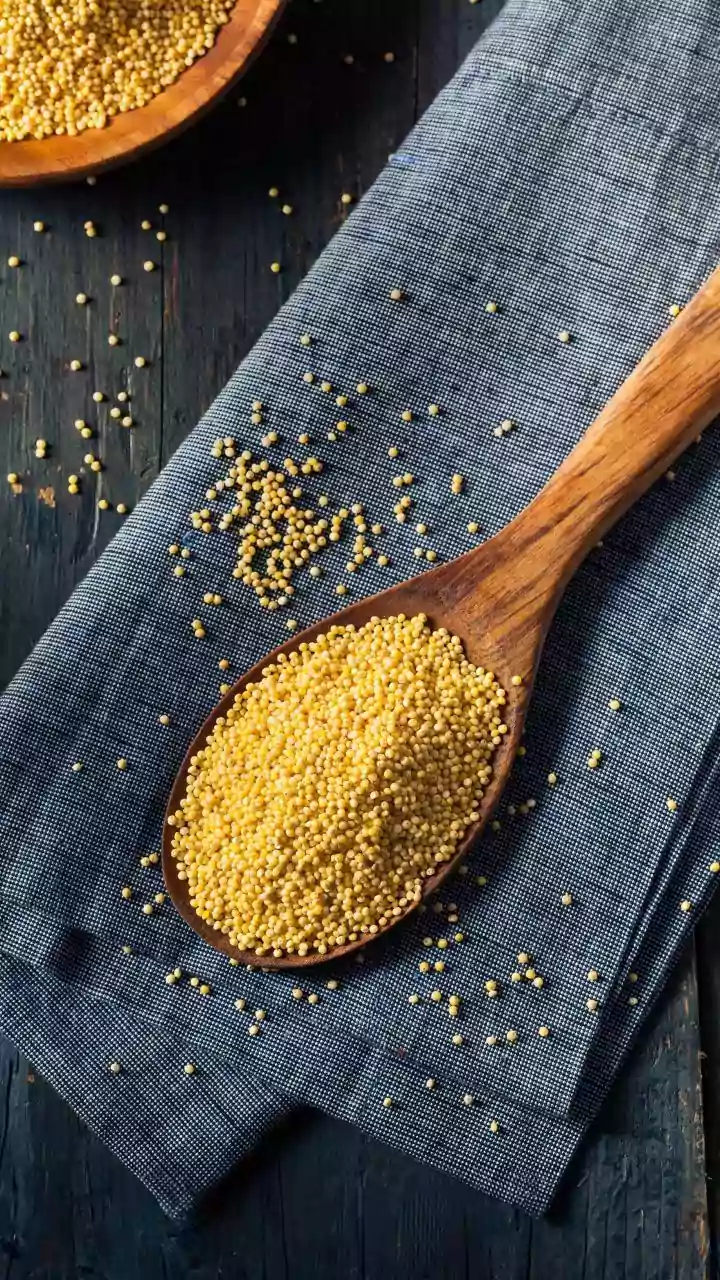
One of the biggest drivers of this trend is a collective shift towards healthier eating. Consumers are increasingly aware of what they eat, even during festivals. Millets are nutritional powerhouses, rich in protein, fibre, vitamins, and minerals. Many
millets have a low glycemic index, which helps in managing blood sugar levels, making them a better choice compared to refined flour. Being naturally gluten-free, millet-based sweets also cater to a growing population with gluten sensitivities. Sweetmakers are responding to this demand for 'guilt-free indulgence' by creating treats that are both nostalgic and nutritious, replacing processed sugars with natural sweeteners like jaggery to complement the earthy notes of millets.
The Government's Big Push
The resurgence of millets isn't just a grassroots movement; it has strong institutional backing. The Indian government's push, amplified by the United Nations' declaration of 2023 as the 'International Year of Millets', has significantly boosted awareness. This initiative positioned India as a global hub for millets, encouraging their cultivation and consumption. Subsequent policies, such as increasing the Minimum Support Price (MSP) for various millet crops and the Production Linked Incentive (PLI) scheme for millet-based products, have made these grains more economically attractive for both farmers and food manufacturers. This top-down promotion has trickled down to regional markets, encouraging sweetmakers to innovate.
A Nod to Tradition and Terroir
While it may seem like a new trend, the use of millets is actually a return to old ways. For centuries, grains like ragi (finger millet), jowar (sorghum), and bajra (pearl millet) were staples in regional Indian diets before rice and wheat became dominant. Many communities have traditional recipes that feature these grains, from Karnataka's Ragi Manni to Kerala's Little Millet Ela Ada. Today's sweetmakers are reviving these hyperlocal traditions, reintroducing a new generation to the diverse flavours of their own heritage. This trend is less about inventing something new and more about rediscovering and celebrating the culinary wisdom that already exists across India's diverse food landscape.
The Baker's Challenge and Reward
Incorporating millets into delicate sweet recipes is not without its challenges. Millets are gluten-free, which affects the binding and texture of sweets like ladoos and barfis. Each millet has a unique flavour profile and texture—some can be gritty or have a slightly bitter aftertaste if not handled correctly. However, skilled sweetmakers have turned these challenges into opportunities for innovation. By roasting the flours to enhance their nutty flavour, combining different millet types, or using natural binders, they are creating unique textures and tastes. The reward is a product that stands out in a crowded market, offering a distinct flavour and a compelling health story, such as kambu Mysore pak or varagu boondi ladoo.