




An Architecture of Integration
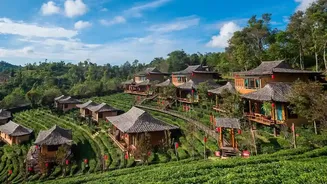
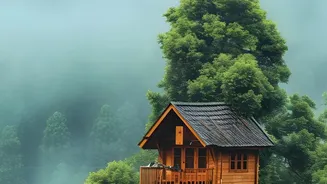
The core principle behind Wayanad's eco-friendly treehouses is not simply to build with a green material, but to build in harmony with the environment. Resorts design these structures to have a minimal physical and visual footprint. Unlike conventional
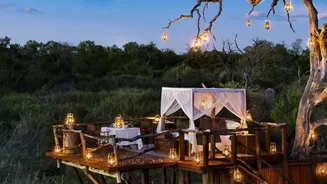
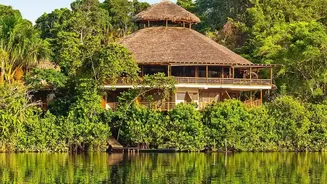
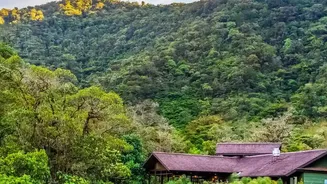
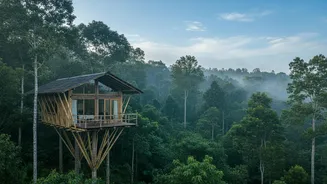
construction, the goal is to integrate the dwelling into the existing landscape, often building around magnificent, mature trees without causing them harm. Specialised building techniques ensure the host trees remain healthy, allowing guests to live literally within the forest canopy. The result is an immersive experience where the line between the accommodation and the wild outdoors is beautifully blurred, offering views and a connection to nature that a standard hotel room cannot replicate.
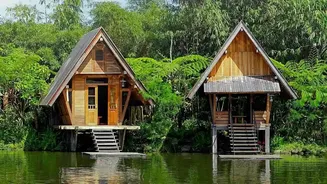
Bamboo: Nature’s Miracle Building Material
At the heart of this movement is bamboo, a material often called a 'superhero' of sustainable building. As one of the fastest-growing plants on earth, it is a highly renewable resource, reaching maturity in just three to five years. Its environmental credentials are remarkable; bamboo absorbs significantly more carbon dioxide than many trees and produces about 30% more oxygen than traditional woods. In terms of construction, bamboo possesses a tensile strength comparable to steel, yet it is incredibly lightweight and flexible. This allows for innovative and resilient designs that are naturally earthquake-resistant and can be built without heavy machinery, further reducing the environmental impact.
A Holistic Commitment to Green Living
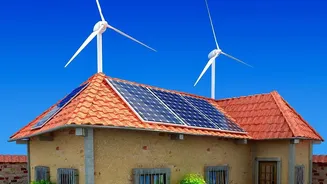
True eco-resorts in Wayanad understand that sustainability extends far beyond their choice of building materials. The bamboo treehouse is often the most visible element of a much deeper green philosophy. Many of these properties operate with a focus on self-sufficiency and minimal waste. This includes using solar panels for energy, harvesting rainwater, and treating wastewater naturally. Kitchens often run on biogas produced from organic waste, while food is sourced from on-site gardens or local farms within a few kilometres, creating a true farm-to-table experience. Some resorts have even eliminated plastic entirely, using glass bottles and dustbins made from dried leaves, proving that luxury and conservation can go hand in hand.
Supporting Communities and Local Craftsmanship
The construction and operation of these eco-resorts are deeply intertwined with the local community. Many employ local artisans and tribal craftsmen, whose ancestral knowledge of working with natural materials is invaluable. This approach not only ensures the structures are authentic and culturally resonant but also provides sustainable livelihoods. By sourcing materials locally and hiring staff from nearby villages, these resorts contribute directly to the regional economy. This symbiotic relationship fosters a sense of shared ownership and pride in conservation efforts, making tourism a force for positive community development.
The Guest Experience: More Than Just a Stay
Staying in a bamboo treehouse is an active, educational experience rather than a passive one. It encourages guests to reconnect with the natural world. Days can be filled with naturalist-led treks through the rainforest, bird-watching tours, or learning about the cultivation of spices on the surrounding plantations. The experience is designed to be immersive, where the sounds of the forest provide the soundtrack and the architecture itself serves as a lesson in sustainability. It's a form of travel that doesn't just offer a place to sleep, but an opportunity to live in rhythm with nature and leave with a greater appreciation for it.