




Across India's bustling metros, a quiet revolution is taking place. Where official neglect left urban water bodies to become polluted dumping grounds, organised and determined citizens are stepping in to reclaim and revive them.
From Neglect to Neighbourhood Action
For decades, the story
of urban water bodies in India has been one of decline. Lakes and rivers that were once the lifelines of cities became choked with sewage, industrial effluents, and solid waste, disappearing under the pressure of encroachment and rapid urbanisation. But in cities like Bengaluru, Chennai, and Delhi, a new chapter is being written not by government decree, but by the hands of ordinary residents. Faced with dying ecosystems and dwindling water security, communities have decided that waiting for authorities is no longer an option. Armed with social media, crowdfunding, and a powerful sense of ownership, these citizen-led movements are proving to be agile, persistent, and deeply effective.
Bengaluru’s Blueprint for Revival
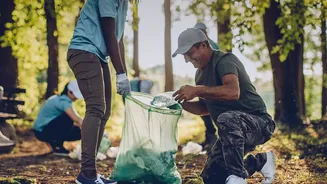
Bengaluru, once celebrated as the 'City of Lakes', has been at the forefront of this citizen-powered revival. Groups like Puttenahalli Neighbourhood Lake Improvement Trust (PNLIT) and the community around Kaikondrahalli Lake have created a successful model. The process often starts with residents noticing the degradation of a local lake, followed by mobilising neighbours through signature campaigns and social media. These groups then put pressure on civic bodies like the Bruhat Bengaluru Mahanagara Palike (BBMP) to initiate restoration. But their involvement doesn't end there. Volunteers actively participate in clean-up drives, tree planting, and crucially, the ongoing maintenance and monitoring of the revived lake, transforming it into a cherished community space. Campaigns like 'Wake The Lake' have helped restore over a dozen lakes by bringing together citizens, corporations, and government agencies.
Chennai's Fight for Water Security
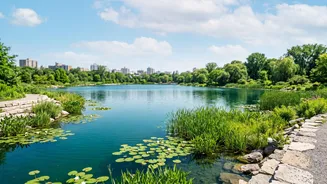
In Chennai, crippling water scarcity has been a powerful motivator for citizen action. When the 50-acre Chitlapakkam Lake became a sewage-choked wasteland, residents living right beside it were forced to buy water from tankers. A volunteer group, Chitlapakkam Rising, decided to take matters into their own hands. After years of petitioning failed, they organised a massive clean-up drive in 2019, with over 2,000 people showing up. This immense public pressure spurred the government to sanction funds for a full-scale restoration. Today, the lake is a thriving public space with a walking path and restored biodiversity, recharging the local groundwater. The story is similar for other water bodies like Thazhambur Eri, where organisations and residents collaborated to transform a barren area into a flourishing ecosystem.
A Common Strategy for Success
While each initiative is local, successful citizen-led restorations share a common playbook. Mobilisation is key, with WhatsApp groups and social media platforms used to rally volunteers and document the neglect to pressure officials. Collaboration, rather than confrontation, is often the goal. Citizen groups work with, and sometimes guide, local government bodies, providing on-the-ground knowledge that officials may lack. Many initiatives also partner with corporations for CSR funding and environmental NGOs like Environmentalist Foundation of India (EFI) for scientific expertise. This creates a powerful coalition that can handle everything from desilting and waste management to planting native species and creating public amenities around the restored water body. In Delhi, community groups around the historic Hauz-i-Shamsi worked with an NGO and the Archaeological Survey of India to clean the 800-yearold reservoir, installing aerators and bioislands to naturally purify the water.