
From Tradition to Personal Expression
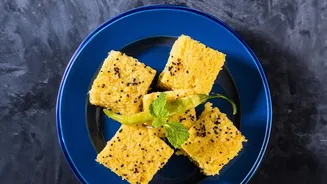
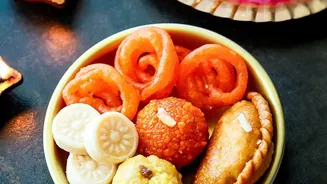
For generations, festive food in India has been a delicious ritual. Diwali meant laddoos and samosas, Christmas in Goa featured vindaloo and bebinca, and Eid was incomplete without biryani and sheer khurma. These menus were built on regional identity
and tradition, a culinary script passed down through families. While that heritage remains the bedrock, a noticeable shift is underway. The modern Indian host, influenced by global travel, a dynamic internet food culture, and inter-cultural families, is rewriting the rulebook. The goal is no longer to just replicate a traditional Punjabi or Bengali feast, but to curate a personal, exciting dining experience that reflects a broader palate.
The Rise of the Curated Plate
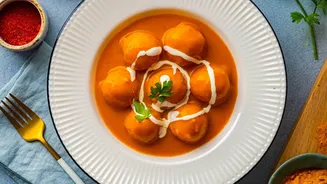
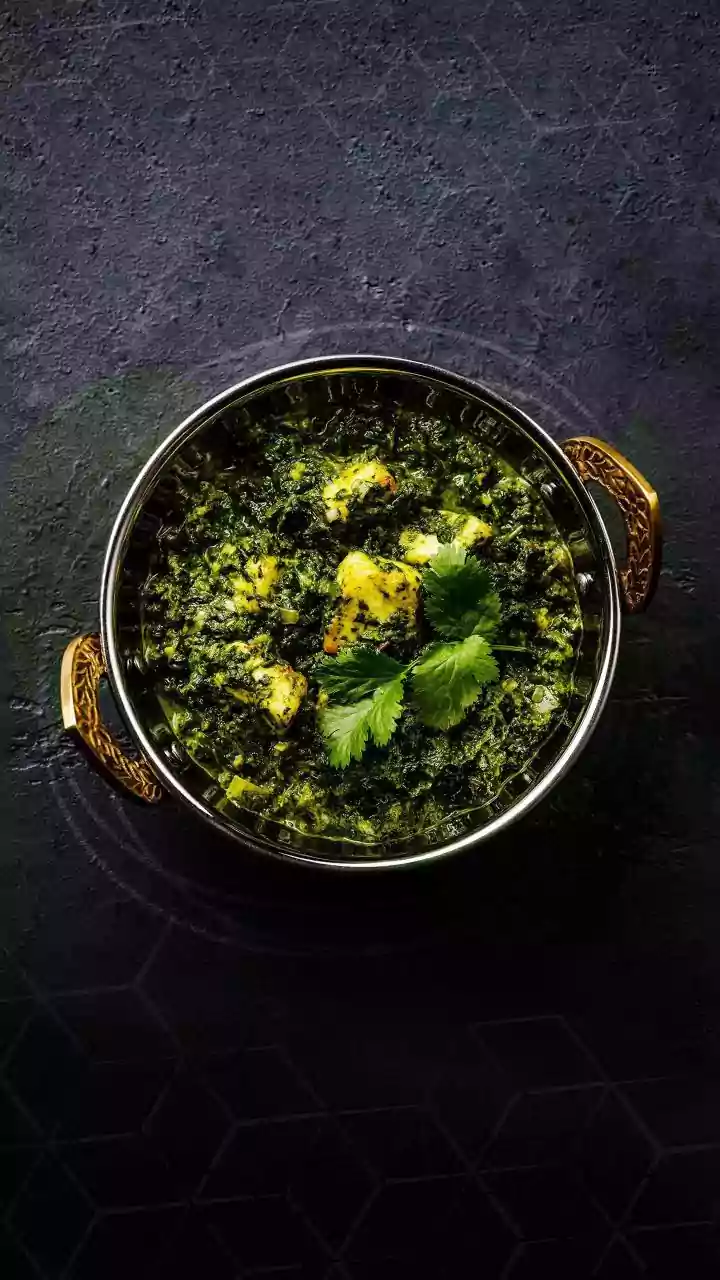
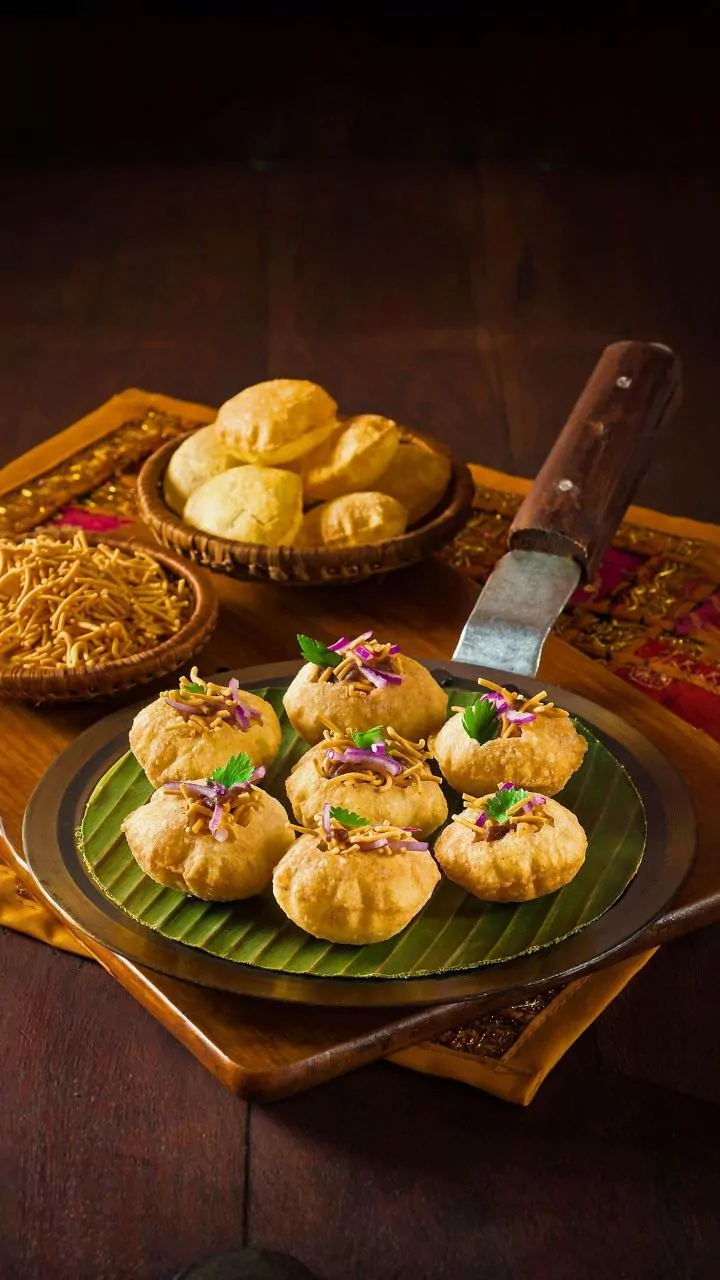
The new festive table is all about balance and surprise. Instead of being bound by a single cuisine, hosts are thinking like restaurateurs, designing menus around complementary flavours and textures. A meal might start with Middle Eastern mezze, move to a rich North Indian main course like Paneer Butter Masala, and conclude with a classic French dessert. This approach allows for a more dynamic eating experience. For example, a crisp, refreshing wheat beer might be paired with spicy chaat to cut through the heat, or a robust stout could accompany a hearty plate of butter chicken. The focus is on creating a memorable journey for the palate, where each dish stands on its own while also contributing to a greater whole.
Fusion That Feels Like Home
This trend isn't just about placing different cuisines side-by-side; it's also about a playful fusion of ideas. Chefs and ambitious home cooks are creating inventive dishes that blend Indian flavours with global formats. Imagine a Kashmiri Rogan Josh Shepherd's Pie, where the spiced, slow-cooked meat is topped with buttery mashed potatoes. Or a Butter Chicken Wellington, which wraps a creamy makhani filling in flaky puff pastry. Even classic desserts are getting a makeover, with creations like Masala Chai Pumpkin Pie or Gajar Ka Halwa tarts appearing on festive tables. These dishes work because they combine the shock of the new with the comfort of the familiar, creating something that feels both exciting and deeply satisfying.
Why the Change is Sticking
Several factors are fuelling this culinary evolution. Increased exposure to international cuisines through media and travel has made Indian palates more adventurous. Urbanisation and nuclear families mean that festive gatherings are often smaller and more intimate, allowing for greater flexibility and experimentation than a massive, traditional feast. Social media platforms have also become a major source of inspiration, with home chefs and food influencers sharing innovative recipes that encourage their followers to break from convention. It reflects a broader cultural shift where personal expression is valued, and food has become a primary medium for creativity. The kitchen is no longer just a place to uphold tradition, but a studio for delicious invention.