


The Power of a Perfect Pair
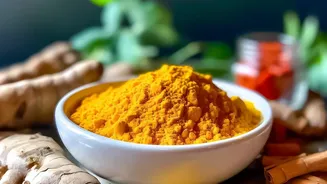
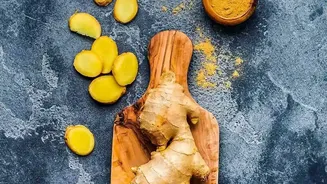
Ginger and turmeric are botanical cousins, both belonging to the Zingiberaceae family. This family connection explains their synergy in flavour and function. Turmeric offers an earthy, slightly bitter taste and a vibrant golden colour from its main compound,
curcumin. Ginger provides a pungent, warming spice thanks to compounds like gingerols. Together, they create a balanced flavour profile that is fundamental to countless Indian dishes. From an Ayurvedic perspective, both spices are considered warming and are traditionally used to support digestion, often referred to as 'agni' or digestive fire. This combination has been trusted for generations not just to flavour meals, but to provide a sense of comfort and balance.
1. The Foundation: Everyday Curry Paste
The most common application of this duo is in the foundational paste for everyday curries, dals, and sabzis. A fresh paste of ginger, garlic, and turmeric is often the first thing to hit the hot oil, creating an aromatic base. To make this essential blend, you simply need to combine equal parts of peeled fresh ginger and fresh turmeric root (or turmeric powder) in a blender, often with garlic and a little oil or water to help it form a smooth paste. This paste can be made in a batch and stored in the refrigerator for about a week, making daily cooking much faster. Adding this 'adrak-haldi' paste at the start of cooking infuses the entire dish with a deep, complex flavour that is unmistakably Indian.
2. The Healer: Golden Milk with a Ginger Kick
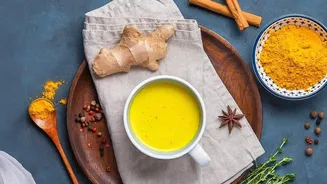
Golden milk, or 'haldi doodh', is a traditional wellness drink known for its soothing properties. While turmeric is the star, adding ginger elevates the beverage significantly. Ginger not only adds a pleasant, spicy warmth to counter turmeric's earthiness but also works in synergy with it. A typical recipe involves simmering milk with turmeric powder, a pinch of black pepper (which helps curcumin absorption), and freshly grated ginger or ginger powder. This comforting drink is often enjoyed before bedtime, especially during cold and flu season, as it is traditionally believed to boost immunity and soothe a sore throat.
3. The Soother: Aromatic Chai and Kadha
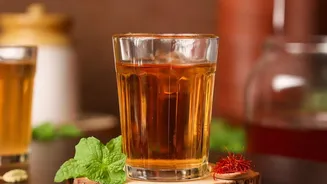
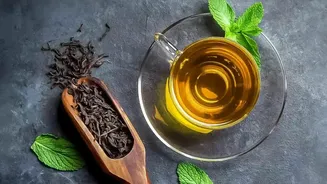
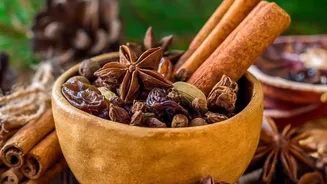
Ginger is a non-negotiable ingredient in a classic Indian masala chai, but adding a pinch of turmeric can enhance its wellness benefits. For a more potent brew, a 'kadha' or herbal decoction is the traditional go-to remedy for colds and coughs. To prepare a simple kadha, boil water with crushed fresh ginger, a small amount of turmeric powder, a few tulsi leaves, black peppercorns, and cloves for about 10 minutes. The resulting brew is a powerful, aromatic drink that is believed to relieve congestion and support the body’s natural defences.
4. The Preserver: Tangy Pickle Masala
Fresh ginger and turmeric are key ingredients in many Indian pickles, or 'achar'. Their strong, preservative qualities and bold flavours make them ideal for this purpose. A popular winter pickle uses fresh, tender turmeric root and ginger, sliced thinly and mixed with green chillies, lemon juice, salt, and a tempering of mustard seeds in oil. This mixture is left to cure for a couple of days, allowing the flavours to meld into a zesty, spicy, and tangy condiment that pairs beautifully with dal, rice, and parathas.
5. The All-Rounder: Dry Tandoori-Style Rub
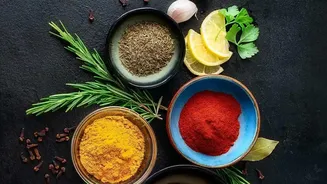
For a versatile spice blend that you can store in your pantry, a dry rub featuring ginger and turmeric is a must-have. This is particularly useful for marinating paneer, chicken, or vegetables before grilling or roasting. A simple tandoori-style masala can be made by mixing ground ginger and turmeric with other staples like cumin, coriander, paprika, and garam masala. To use it, simply mix the dry rub with yogurt and lemon juice to form a thick marinade, coat your main ingredient, and let it rest for a few hours before cooking to achieve that classic, smoky flavour.