





The Chutney We All Know and Love
For generations, the Indian thali has been incomplete without a small bowl of chutney. It's the versatile condiment that can be a dip, a spread, or a flavour enhancer. Most of us are familiar with the greatest hits: the fresh, zesty coriander and mint
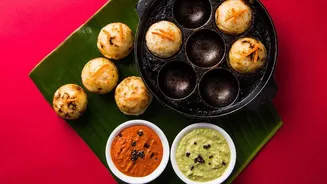
chutney that accompanies samosas and kebabs, the sweet and tangy tamarind chutney essential for chaat, and the ubiquitous coconut chutney served with dosa and idli. These recipes, passed down through families, represent a shared culinary language across many parts of India. They are simple, reliable, and deeply comforting. But they are only the first chapter in a much larger story.
A Return to Regional Roots
A quiet but powerful food trend is gaining momentum across India: the rediscovery of hyper-local ingredients. Chefs at high-end restaurants and passionate home cooks alike are looking past the usual suspects and digging into the incredible biodiversity their own regions have to offer. This shift is driven by a growing pride in local food traditions, a desire for sustainable eating, and a quest for new, authentic flavours. The humble chutney has become a perfect canvas for this exploration. It’s a format where foraged leaves, unique mountain flowers, fiery local chillies, and even insects can be transformed into something extraordinary, telling a story about a specific place and its people.
The Citrus King of Bengal
In West Bengal, the Gondhoraj Lebu, or 'king of fragrance' lime, is a cherished culinary icon. This citrus is prized not for its juice, which is minimal, but for its intensely aromatic rind and leaves. Traditionally used to perfume dals and rice, it is now the star of a zesty chutney. By grinding its zest and leaves with green chillies, a hint of sugar, and salt, a condiment is created that is powerfully fragrant and tangy. It captures the essence of Bengal in a single spoonful, demonstrating how a simple, regional ingredient can elevate a meal.
The Himalayan Flower Chutney
Come spring, the hills of Uttarakhand are ablaze with the crimson blossoms of the Buransh, or Rhododendron tree. While many know its juice, local communities have long used these petals to create a unique chutney. The petals are cooked down with spices, jaggery, and lemon juice to create a sweet, sour, and slightly floral condiment. This Buransh chutney is a perfect example of mountain resourcefulness, turning seasonal abundance into a preserve to be enjoyed year-round. Rich in antioxidants, it is both a delicacy and a traditional wellness food.
The Smoky Heat of Manipur
From the village of Sirarakhong in Manipur comes a chilli that is gaining national attention: the Hathei chilli. This long, bright red chilli is known for its distinctive smoky flavour, which comes from being traditionally wood-smoked on bamboo mats. It has a medium heat with a hint of sweetness, making it a complex ingredient. While it can overpower delicate dishes, it forms the base of an incredibly robust and aromatic chutney. Often ground with just garlic, ginger, and salt, Sirarakhong Hathei chutney is a fiery and smoky condiment that is central to the cuisine of the Tangkhul Naga community.
The Foraged Ferns of the Northeast
In the monsoon-drenched hills of Nagaland and other parts of the Himalayas, locals forage for the tender, coiled shoots of the fiddlehead fern, known locally as Lingdi or Ningro. While often cooked as a vegetable, these ferns also make for a fantastic chutney or pickle. The ferns have an earthy, slightly tangy taste and a satisfying crunch that persists even after being pickled in mustard oil and spices. A chutney made from these foraged greens, often pounded with fiery chillies and garlic, offers a true taste of the wild, connecting the plate to the forest.
The GI-Tagged Ant Chutney of Odisha
Perhaps the most unusual ingredient on this list is the red weaver ant, the star of Similipal Kai Chutney from Mayurbhanj, Odisha. This is no novelty; it's a traditional food of local tribal communities, so valued that it recently earned a Geographical Indication (GI) tag in January 2024. The ants and their eggs are collected and ground with ginger, garlic, and chillies. The resulting chutney is surprisingly tangy and packed with protein, vitamin B-12, and other nutrients. It is considered a vital source of nutrition and is used in traditional medicine to boost immunity.