





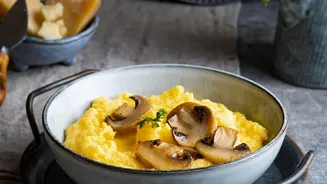
1. The Perfect Creamy Bowl
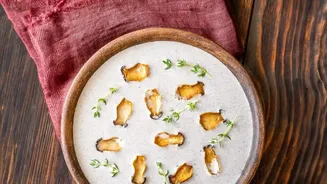
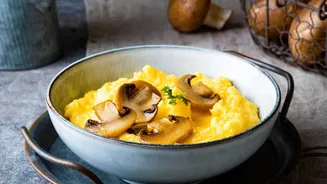
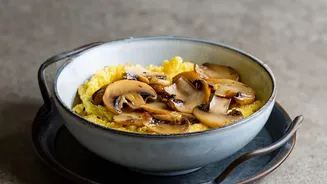
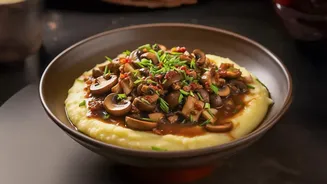
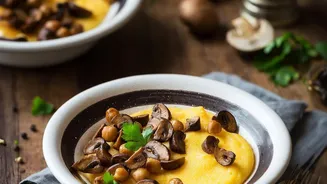
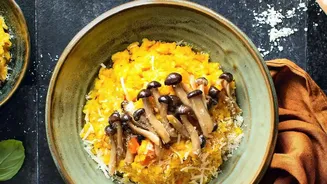
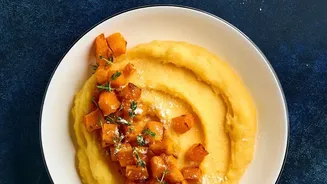
Mastering the classic creamy polenta is the foundation for many other dishes. It begins with bringing your liquid—water, broth, or milk—to a boil. The key to a lump-free texture is to pour the polenta in a slow, steady stream while whisking continuously.
Once the polenta is incorporated, reduce the heat and let it simmer, stirring frequently to prevent sticking. Traditional polenta can take anywhere from 25 to 50 minutes to become tender and creamy, though instant versions are much faster. For a rich, savoury finish, stir in a generous knob of butter and a handful of grated Parmesan cheese just before serving. Don’t be shy with seasoning; salt and pepper are essential to bring out its flavour.
2. Crispy Baked Polenta Fries
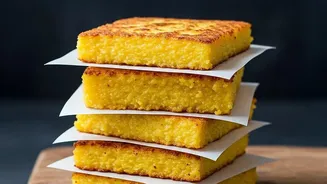
Transform leftover creamy polenta into an addictive snack: crispy polenta fries. The first step is to spread freshly made, thick polenta into an even layer in a greased baking dish and chill it in the refrigerator for at least an hour, or until completely firm. Once set, you can invert the firm block onto a cutting board and slice it into fry-shaped batons. To get them extra crispy in the oven, toss the fries gently with olive oil, salt, and your favourite herbs like rosemary or garlic powder. Arrange them in a single layer on a baking sheet lined with parchment paper, ensuring they have space to crisp up. Bake at a high temperature (around 220°C or 425°F) for 25-35 minutes, flipping halfway through, until they are golden brown and crunchy on the outside but remain soft and creamy on the inside. They are delicious served with a spicy tomato dip or a creamy aioli.
3. Golden Polenta Appetizer Bites
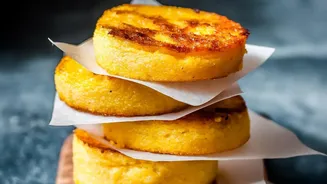
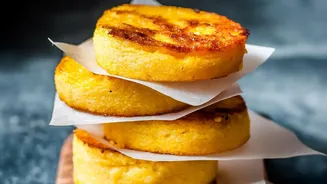
For a perfect party appetiser, polenta can be cut into bite-sized squares or rounds. Much like the fries, this preparation starts with a chilled slab of polenta, which you can then cut into your desired shape. These bites are incredibly versatile and can be either pan-fried or baked. For a quick method, you can even use pre-cooked polenta sold in tubes; just slice, season, and you’re ready to cook. Toss the bites in olive oil and seasonings—think Parmesan, herbs, or even pizza spices—and bake until golden. These crispy bites serve as a fantastic base for toppings, almost like a crostini. Try them with a dollop of pesto, a slice of mozzarella, or a savoury tapenade for an elegant and easy-to-serve finger food.
4. Elegant Lemon and Almond Polenta Cake
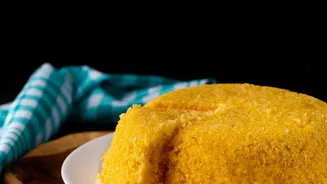
Yes, polenta makes for a wonderfully moist and flavourful cake, offering a fantastic gluten-free alternative to traditional flour. A popular variation is the lemon and almond polenta cake. The uncooked, fine-ground polenta is combined with ground almonds, sugar, baking powder, butter, and eggs. The polenta provides a delightful, slightly grainy texture that pairs beautifully with the richness of the almonds. Lemon zest and juice are often added to the batter, and a lemon syrup is typically poured over the warm cake after baking. This not only adds intense citrus flavour but also ensures the cake is exceptionally moist. The result is a dense, rustic, and sophisticated dessert that showcases polenta's sweet side.
5. Sweet Polenta Pudding
Beyond a crumbly cake, polenta can also be made into a creamy, set dessert similar to a pudding or a firm flan. This is often achieved by cooking the polenta with milk and sugar until it becomes very thick. Flavourings like vanilla, cinnamon, or citrus zest can be added during the cooking process. Once cooked, the sweet mixture is poured into a dish or mold and left to cool and set. This can be served in slices, sometimes topped with desiccated coconut, nuts, or fresh berries. It’s a simple yet comforting dessert that highlights the naturally sweet, corn-forward flavour of polenta in a completely different texture from a baked cake.