

The Unpredictable Terrain: Landslides and Roadblocks
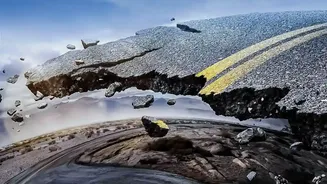
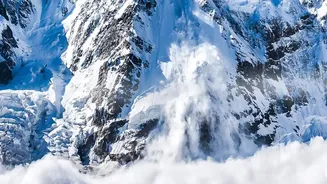
The primary danger of monsoon travel in hilly regions like Himachal Pradesh and Uttarakhand is landslides. Continuous heavy rainfall saturates the soil on steep slopes, making them unstable. This can lead to massive landslips that block major highways
and smaller roads for hours, or even days. As of mid-August 2026, reports indicate that persistent rains have heightened landslide threats across the Himalayan states, with numerous roads already facing disruptions. Getting stranded is a real possibility, turning a dream vacation into a logistical nightmare. It's crucial to understand that even popular tourist destinations like Nainital, Manali, and Shimla are not immune to these risks, with key access routes often being the first to be impacted.
Water's Fury: Flash Floods and Swollen Rivers
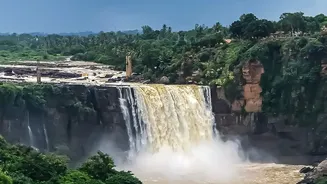
The same rains that make the landscape green also swell rivers and streams to dangerous levels. Flash floods are a common occurrence, especially in narrow valleys or areas near water bodies. These can happen with little to no warning, washing away bridges and sections of roads. Tourists should avoid venturing close to rivers for pictures or recreation, as water levels can rise unexpectedly. Trekking routes that involve river crossings, such as parts of the Hampta Pass trek, become particularly hazardous during this season. Authorities frequently issue warnings against such activities, and it is wisest to heed them for your own safety.
Hidden Dangers: Health and Hygiene Concerns
The monsoon is a peak season for various illnesses. The high humidity and damp conditions are a breeding ground for bacteria and viruses. Water-borne diseases like typhoid, cholera, and other stomach infections become more common due to the increased risk of contaminated water sources. It is essential to drink only bottled, boiled, or purified water and to be wary of street food, which may be prepared with unclean water. Additionally, stagnant water creates breeding grounds for mosquitoes, increasing the risk of vector-borne diseases like dengue and malaria. Fungal skin infections are also common due to constantly damp clothing and footwear.
Cut Off From The World: Connectivity Issues
Beyond the immediate physical dangers, severe weather can cripple local infrastructure. Landslides and heavy rains often damage power lines and communication towers, leading to prolonged electricity outages and loss of mobile and internet connectivity. In August 2026, reports from Himachal Pradesh already mentioned over 100 transformers being disrupted by the monsoon rains. This is not just an inconvenience; it can be a serious safety issue. Without a phone signal, you cannot call for help in an emergency or access updated information about weather and road conditions. Packing a fully charged power bank is a good start, but it's no substitute for a stable connection.
Smart Planning: A Traveller's Safety Checklist
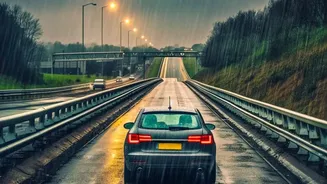
Being prepared doesn't mean cancelling your trip, but it does mean being smart. Before you leave, check the latest weather forecasts from the India Meteorological Department (IMD). Pack waterproof clothing, sturdy non-slip footwear, and a first-aid kit with essentials for common monsoon ailments. It's wise to add buffer days to your itinerary to account for potential travel delays due to roadblocks. When driving, ensure your vehicle's brakes and tires are in excellent condition and avoid travelling at night. Always have an emergency kit with a flashlight, non-perishable snacks, and drinking water. Finally, listen to local advice; residents and authorities have the best understanding of the area's risks.