


What Exactly is Fabric Grain?
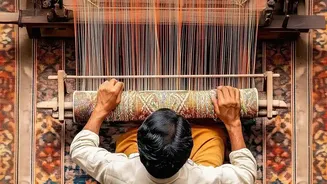
Think of a woven fabric as a grid of threads. The 'grain' refers to the direction of these threads. There are two main directions: the lengthwise grain (also called the warp) runs parallel to the finished edges of the fabric roll, known as the selvage.
The crosswise grain (or weft) runs from one selvage edge to the other. These threads are woven together at right angles. The lengthwise threads are held under tension during weaving, making them the strongest and most stable part of the fabric with the least stretch. The crosswise threads have a little more give. Understanding this simple structure is the key to a garment's behaviour.
The Straight and Cross Grains: Structure vs. Comfort
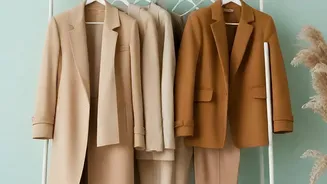
Most garments are cut with the lengthwise grain running vertically down the body, like from your shoulder to the hem. This is called cutting on the 'straight grain'. This orientation provides strength and stability, preventing the garment from sagging or stretching out of shape with wear. It ensures a crisp appearance and a clean hang. The crosswise grain, which typically runs around the body, has slightly more stretch. This provides a bit of flexibility and comfort in the fit, especially across the width of a bodice or sleeves. Manufacturers choose which grain to use based on the design and desired structure of the clothing.
The Magic of the Bias Cut
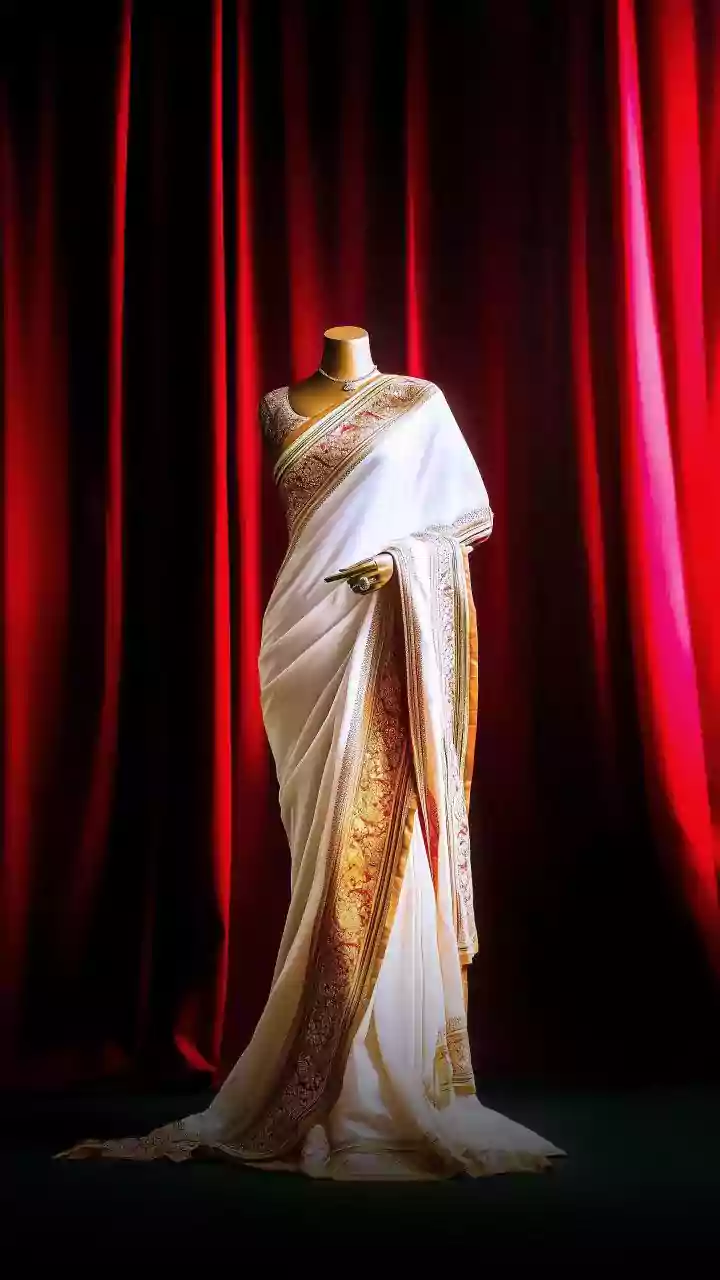
There's a third direction, and it's where the real magic happens: the bias. The 'true bias' is the direction at a 45-degree angle to the lengthwise and crosswise grains. Fabric cut on the bias has the most stretch and a fluid, supple drape. This is why slinky slip dresses, elegant evening gowns, and skirts that skim the body's curves are often cut on the bias. This technique allows the fabric to cling and move beautifully. However, it's also trickier to work with and can cause garments to stretch or 'grow' over time if not handled correctly. Because cutting on a diagonal uses more fabric, bias-cut garments are often more expensive.
When the Grain Goes Wrong
When a garment is 'off-grain', it means the pattern pieces were not aligned correctly with the fabric's threads. This is often done to save fabric during mass production, but it compromises the final product. The most common symptom is twisting. Seams will rotate around your body because the fabric's strongest threads aren't aligned with the garment's stress lines. This is why T-shirt seams migrate to the front or a trouser leg spirals. Other signs include uneven hems, pulling, and a general sense that the garment just doesn't hang right, no matter how much you iron it. These issues often appear or worsen after the first wash, as the water relaxes the fabric, allowing it to settle into its natural (and incorrect) alignment.
How to Be a Smarter Shopper
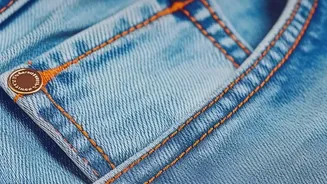
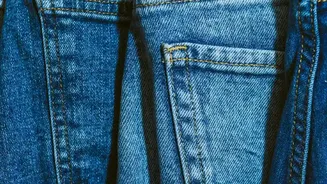
You don't need to be a tailor to spot good grain alignment. When you're in the store, take a moment to inspect a garment. Look closely at the fabric's weave. In materials like denim, linen, or canvas, you can often see the grid of threads. Do the vertical threads run straight down the leg of the trousers or the body of a shirt? For patterned fabrics like stripes or plaids, it's even easier. The pattern should look straight and not distorted. Gently stretch the fabric. It should have very little give vertically, a bit more horizontally, and the most stretch when pulled diagonally. Checking for these signs of quality construction can help you invest in pieces that will maintain their intended shape and serve you well for years to come.