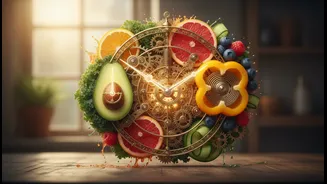





Meet Your Internal Body Clock
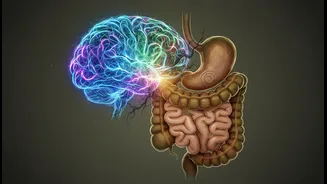
You have a master clock in your brain, known as the circadian rhythm, that operates on a roughly 24-hour cycle. It’s the reason you feel sleepy at night and alert during the day. This internal timer doesn't just manage your sleep-wake cycle; it also directs
other crucial functions, including hormone production, metabolism, and, importantly, digestion. Think of it as your body's internal operating schedule. When we live in sync with this rhythm, our bodies function more efficiently. However, modern lifestyles—with late work hours and screen time—often push us out of sync, and our digestive system can be one of the first places we feel the effects.
Your Gut Has a Clock, Too
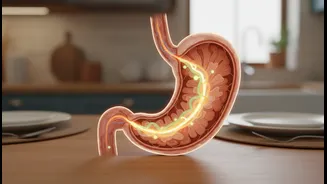
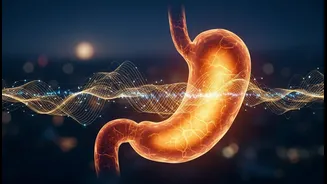
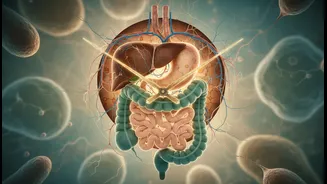
It might be surprising to learn that your digestive system follows its own daily schedule, guided by the master clock. During the day, when you're active and consuming food, your gut is primed for action. It efficiently produces digestive enzymes and acids to break down meals and absorb nutrients. As evening approaches and your body prepares for rest, your digestive system also begins to wind down. Its processes slow, stomach emptying takes longer, and metabolism decreases. This natural slowdown is why a large, heavy meal late at night can feel like a log in your stomach; you're asking your gut to do hard labour when it's already clocked out for the day.
The Problem with Late-Night Meals
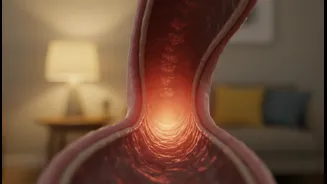
Eating a substantial dinner close to bedtime can lead to a host of uncomfortable symptoms. Since the digestive system is in its low-power mode, food sits in the stomach for longer, which can trigger issues like acid reflux, heartburn, bloating, and gas. For people with Gastroesophageal Reflux Disease (GERD), lying down after a recent meal makes it even easier for stomach acid to travel back up into the esophagus, worsening symptoms. This digestive disruption doesn't just cause physical discomfort; it can also interfere with sleep quality. Your body should be focused on repair and rejuvenation during sleep, not struggling to digest a full meal.
Tip 1: Make Breakfast and Lunch Your Main Meals
To work with your body's rhythm instead of against it, try front-loading your caloric intake. This means making breakfast and lunch your largest, most nutrient-dense meals of the day, followed by a lighter, smaller dinner. Your metabolism and insulin sensitivity are typically higher earlier in the day, meaning your body is better equipped to process carbohydrates and utilize energy from food. A substantial breakfast can kickstart your metabolism, while a solid lunch provides the fuel needed for the afternoon. This approach gives your body plenty of time to digest the bulk of your daily food intake during its peak operational hours.
Tip 2: Eat Dinner at Least Three Hours Before Bed
One of the most effective changes you can make is to create a significant gap between your last meal and bedtime. Experts widely recommend finishing dinner at least two to three hours before you lie down to sleep. This window gives your stomach adequate time to empty its contents into the small intestine, dramatically reducing the risk of nighttime acid reflux and indigestion. This practice aligns with the wisdom of many ancient traditions, which advocated for an early dinner before sunset. By adopting an earlier dinner time, you allow your digestive system to complete its main work before it shifts into its overnight rest-and-repair phase.
Tip 3: Be Mindful of Evening Snacks
If you feel hungry after an early dinner, it’s important to choose your evening snack wisely. Opt for something small, light, and easy to digest. Avoid heavy, fatty, spicy, or overly sugary foods, as these can easily trigger digestive upset. A small bowl of yogurt, a piece of fruit, or a handful of nuts are generally safer choices. The goal is to satisfy hunger without overloading your digestive system just before sleep. Listening to your body is crucial; for many, simply having a glass of herbal tea can be enough to curb the urge to snack. Over time, as your body adjusts to an earlier eating schedule, you may find that the desire for late-night snacks diminishes naturally.