



The Real Culprit: Humidity and Steam
Every time you take a hot shower, you create a mini steam room. This water vapor condenses on every cool surface—walls, mirrors, and inside your cabinets. This constant exposure to moisture creates a perfect breeding ground for mould and mildew, which
can thrive in damp, poorly ventilated spaces. Beyond being a health concern, this humidity can quietly ruin your belongings. It causes paper to warp, metals to tarnish, and can even degrade the chemical composition of medications and cosmetics. The problem isn't just about direct water contact; it's the persistent, moisture-rich air that poses the biggest threat. Even items stored in a seemingly dry cabinet can be affected if the surrounding air is consistently damp.
Defining the 'Splash Zone'
The term "splash zone" extends far beyond the inside of your shower. Officially, in home-building and electrical safety, bathrooms are divided into zones based on their risk of water exposure. For storage purposes, think of the splash zone as any area that gets hit with regular humidity or direct water. This includes the shower and bathtub area, the wall and counter space around your sink, and even the floor near the toilet. Invisible particles can spray out of the toilet with each flush, potentially contaminating anything stored too close, like an exposed toothbrush. Therefore, open shelves or countertops near these key wet areas are high-risk locations for sensitive items.
Items That Don't Belong in the Bathroom
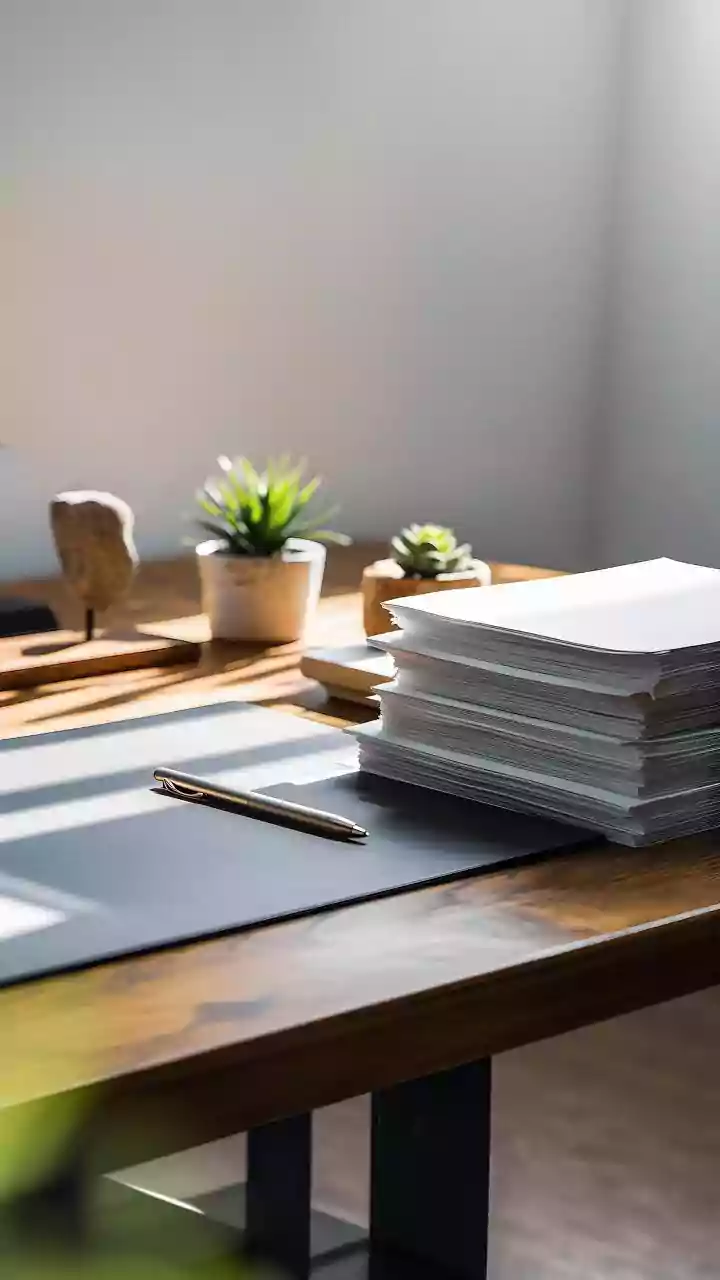
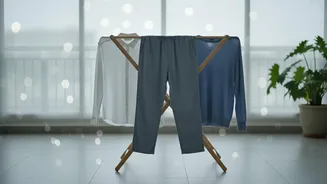
To preserve their quality and effectiveness, certain items should be stored elsewhere. Medications, including prescription and over-the-counter drugs, can lose their potency due to heat and moisture. Makeup and cosmetic products can also degrade faster, while brushes can become a breeding ground for bacteria in a humid environment. Jewellery is another victim, as humidity accelerates the tarnishing process. Any paper products, like books and magazines, will quickly suffer, with pages wrinkling and warping. Even your extra stack of clean towels and linens can be affected; if stored in a damp bathroom, they can develop a musty, mildew odour before you even get a chance to use them.
Smarter, Safer Storage Strategies
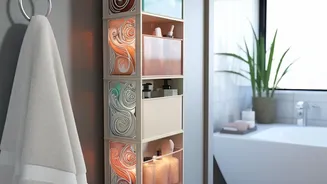
If you must store items in the bathroom, placement and protection are key. Choose storage that isn't directly in a splash zone. High shelves or cabinets far from the shower are a better choice. For anything kept under the sink, consider using plastic or rubber drip trays to catch any minor leaks from pipes or bottles. Materials matter, too. Wood furniture can warp and rot unless it is specifically treated for wet environments. Opt for materials like glass, ceramic, or stainless steel that are resistant to moisture. For especially sensitive items like medications or favourite perfumes, the best solution is to find them a new home in a cool, dry place like a bedroom drawer or a linen closet outside the bathroom.
Ventilation Is Your Best Defence
Proper storage solutions are only half the battle. The most effective way to protect your bathroom and its contents is to control the moisture at its source. Good ventilation is non-negotiable. If you have an extractor fan, use it during every shower and leave it running for 15-20 minutes afterward to clear the steam. If possible, opening a window also helps improve airflow. Wiping down wet surfaces like tiles and shower screens after use can also significantly reduce the overall moisture in the room. For bathrooms that are chronically damp, a small dehumidifier can make a world of difference by actively pulling moisture from the air.