






A New Strategy for the Red Planet
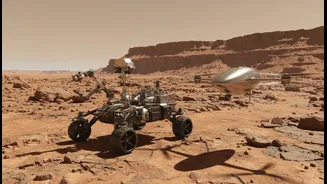
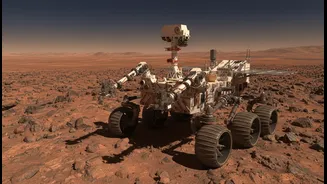
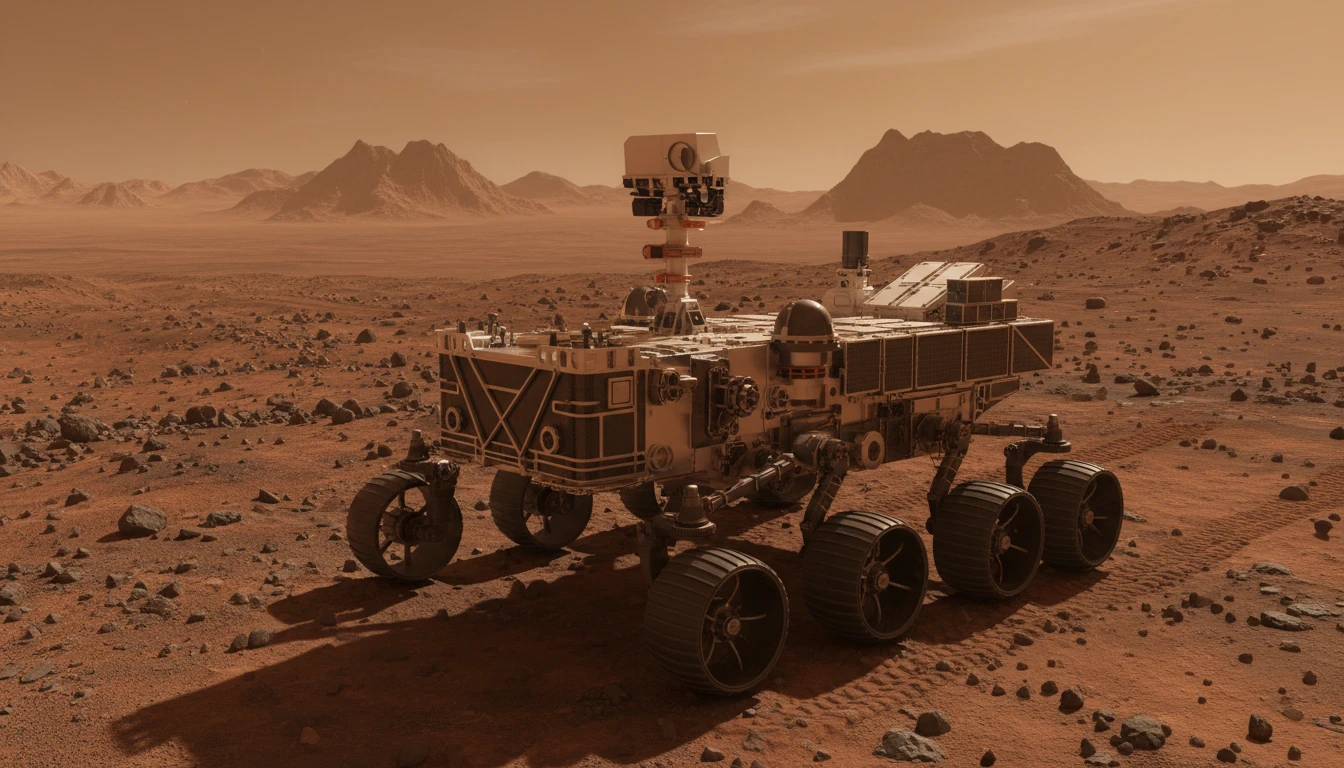
For decades, NASA has single-handedly designed, built, and operated its Martian explorers, from the car-sized Curiosity rover to the groundbreaking Ingenuity helicopter. This approach has yielded incredible scientific returns but is also slow and expensive.
The challenges of exploring the Red Planet, from communication delays to the harsh environment, mean that every scientific observation is hard-won. To accelerate the pace, NASA is shifting its strategy. The agency is increasingly turning to public-private partnerships, a model designed to leverage the speed and innovation of the commercial sector to get more science done, more frequently.
Introducing the STRIDE Initiative
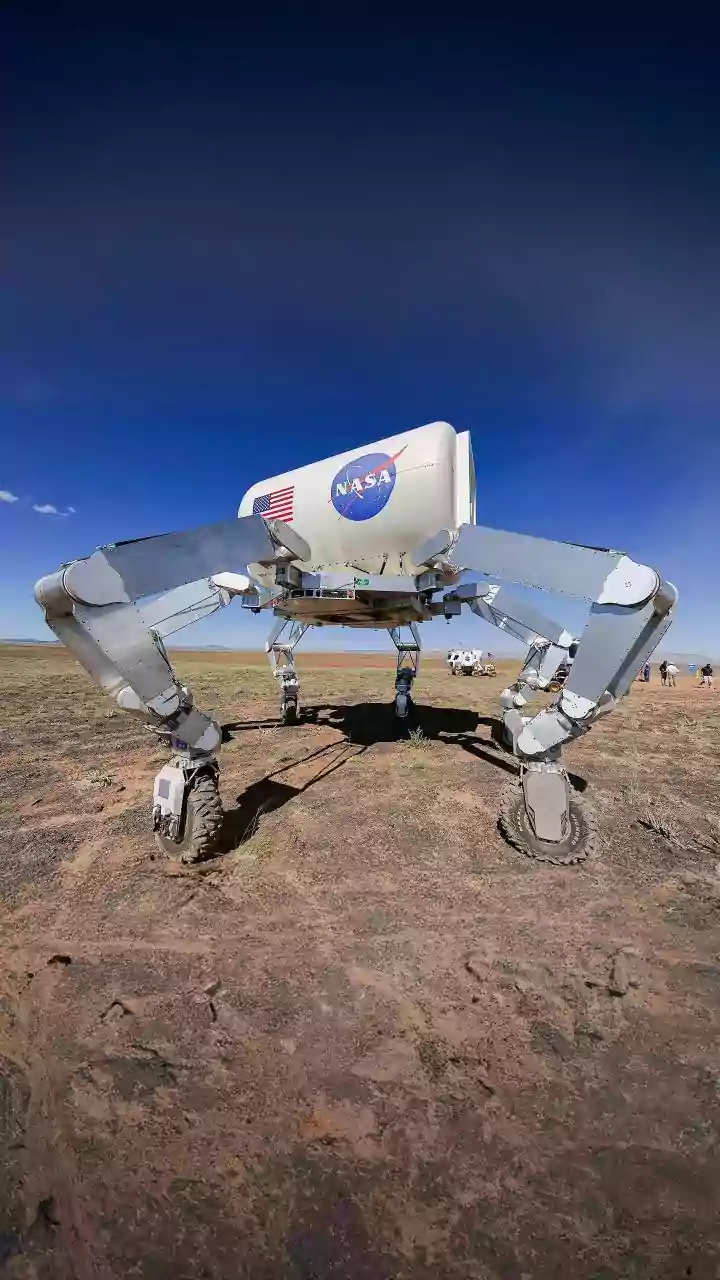
The most recent example of this new philosophy is the Science Transport and Robotic Innovation for Deployment and Exploration (STRIDE) initiative. In early July 2026, NASA announced it had awarded contracts worth a potential total of $17 million to seven private companies. The goal is to spur the development of next-generation robotic mobility systems for Mars. These awards are not for a single, monolithic rover but for a range of technologies that could allow future missions to access more challenging terrain, travel greater distances, and investigate scientifically rich areas that are currently out of reach.
Meet the New Robotic Workforce
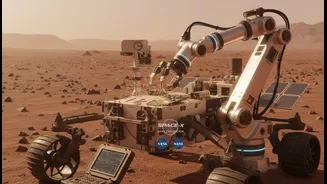
The seven companies selected represent a mix of established aerospace players and innovative newcomers. The list includes AeroVironment, Astrobotic, Venturi Astrolab, Ground Control Robotics, Honeybee Robotics (a Blue Origin company), Intuitive Machines, and MEI Technologies. These firms are tasked with developing concepts and prototypes for advanced surface mobility. The technologies could range from highly autonomous rovers that can make decisions without constant input from Earth, to specialized robots capable of traversing steep crater walls or sandy regions that have troubled past missions. The initiative is looking to fund both surface and aerial technologies that can carry scientific payloads across the diverse Martian landscape.
Why This Advances Science Faster
The core idea behind STRIDE and similar partnerships is to create a more dynamic and flexible exploration program. Instead of multi-billion-dollar flagship missions separated by many years, this approach could enable a series of smaller, more focused, and lower-cost missions to launch more often. By outsourcing development of key systems like mobility, NASA can focus its resources on its primary goal: the science itself. This model allows the agency to identify and fill key technology gaps with commercial solutions. Faster, more agile, and more capable robots mean scientists can cover more ground, collect more diverse samples, and answer fundamental questions about Mars's past and potential for life more quickly. This approach is essential for paving the way for eventual human missions to the planet.