



The Vanishing Hour-Long Prep
The long-standing tradition of preparing a home-cooked meal from scratch is undergoing a significant transformation. Across the globe, and particularly in urban centres, the time spent on daily food preparation is shrinking. Modern lifestyles, characterised
by long work hours, dual-income households, and demanding schedules, are the primary drivers behind this change. People are increasingly seeking to reclaim precious time in their hectic lives, and the kitchen is one of the first places they look. This has led to a noticeable decline in traditional dishes that require slow cooking or elaborate techniques, in favour of quicker alternatives. The shift is not just about saving a few minutes; it represents a fundamental change in our relationship with food, where convenience often outweighs tradition.
Convenience is the New Comfort Food
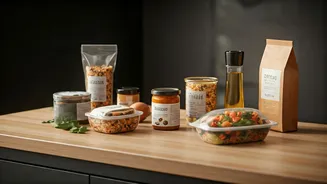
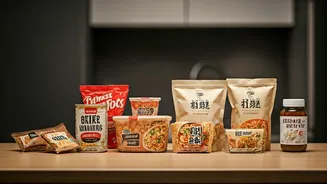
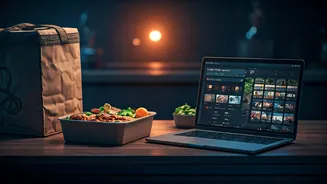
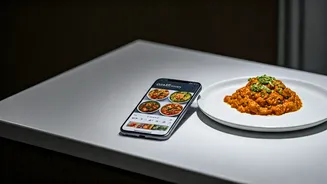
The demand for convenience is reshaping the entire food industry. Globally, the market for ready-to-eat and ready-to-cook meals is booming, with analysts forecasting sustained and significant growth, especially in the Asia-Pacific region. In India, the ready-to-cook food market was valued at over USD 624 million in 2024 and is projected to grow substantially. This surge is fueled by urban professionals, nuclear families, and health-conscious consumers who lack the time for traditional cooking but still desire wholesome meals. The rise of food delivery apps has further accelerated this trend, making it incredibly easy to opt for a prepared meal instead of cooking. As a result, cooking is no longer seen as a daily obligation for many, but rather an activity that can be outsourced.
Redefining 'Home-Made'
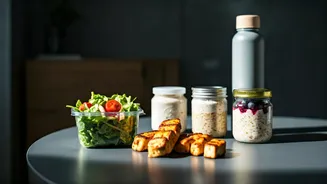
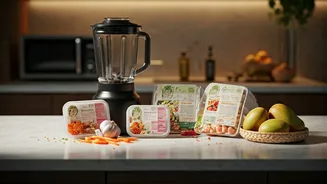
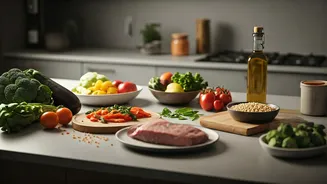
The very definition of a "home-cooked meal" is becoming more flexible. The modern kitchen is less about chopping raw ingredients and more about assembling components. This includes the growing popularity of meal kits, which offer pre-portioned ingredients and step-by-step recipes. These kits provide a middle ground, offering the experience of cooking with the convenience of not having to plan or shop extensively. The Indian meal kit market is seeing rapid growth, catering to a desire for chef-prepared meals without leaving the house. Similarly, the use of advanced kitchen appliances like air fryers and multi-cookers simplifies the process, making it faster and more appealing to cook at home, even when time is short. This trend shows that while people are cooking less from scratch, the desire for fresh, home-prepared food remains strong.
From Daily Chore to Weekend Hobby
As convenience options handle the burden of weekday meals, cooking is being repositioned as a leisure activity for many. The pressure to cook every single day has diminished, allowing people to approach it as a creative and enjoyable hobby rather than a relentless chore. For some, cooking has become a form of mindful ritual and a way to connect with loved ones, especially after the pandemic spurred a rediscovery of home life. However, this has also created a divide. While some embrace elaborate weekend cooking projects, others view any time spent cooking as inefficient. This polarization reflects a broader cultural shift where tasks are either optimized for efficiency or embraced as passion projects, with little room in between.
The Broader Implications
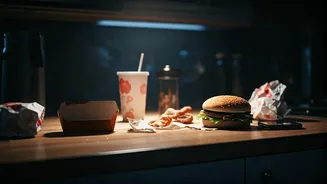
This move towards quick meals has complex consequences. On one hand, the reliance on processed and convenience foods is linked to health concerns, as these options can be high in sugar, fat, and sodium. There are also concerns about the potential loss of cultural knowledge, as traditional recipes and cooking techniques are passed down less frequently. On the other hand, the food industry is responding with healthier, organic, and nutrient-dense convenience options. Furthermore, the shift away from cooking as a gendered domestic duty is seen by many as a positive social development. Ultimately, the decline of planned home cooking is not simply about laziness; it's a rational response to the pressures and opportunities of modern life.