



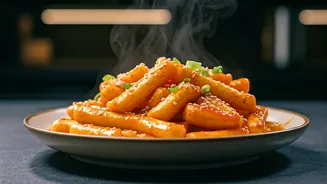


The K-Wave on Your Plate
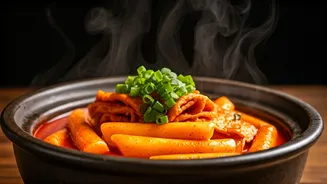
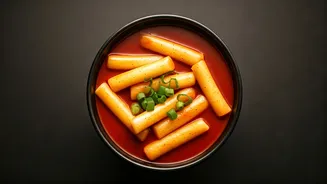
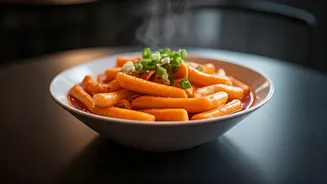
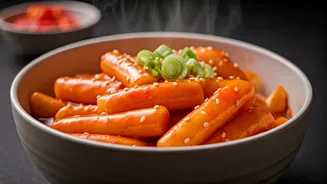
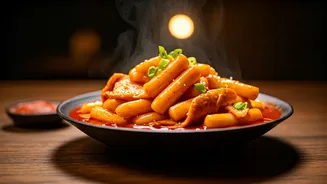
Let’s start with tteokbokki. Just a few years ago, these chewy, cylindrical rice cakes drenched in a sweet and spicy gochujang-based sauce were a mystery to most. Today, they’re a craving. The credit for this meteoric rise goes almost entirely to the Hallyu,
or the Korean Wave. As Indians fell in love with K-dramas on streaming platforms, they weren't just following the intricate plotlines; they were watching the characters find comfort, celebration, and solace in food. Tteokbokki is a star of this culinary supporting cast. It appears in street food stalls in shows like *Vincenzo* and as a late-night snack in *True Beauty*. Seeing your favourite character devour a steaming plate of these red-hot rice cakes is a powerful form of advertising. Suddenly, it wasn't just a dish; it was an experience, a way to connect with a culture that millions were becoming fascinated with. Restaurants and cloud kitchens were quick to notice, and soon, DIY tteokbokki kits and restaurant versions flooded the market.
The Anatomy of a Viral Snack
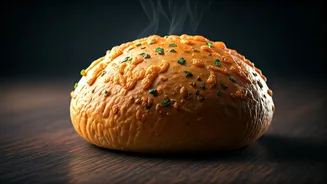
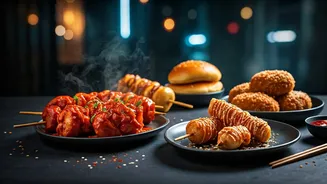
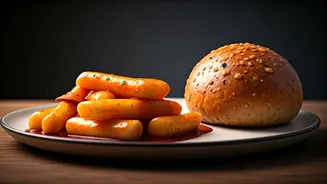
While tteokbokki’s rise was powered by cultural immersion, the cheese garlic bun phenomenon is a masterclass in social media mechanics. Garlic bread has always been a beloved side dish in India, a safe and comforting order. But the new-age cheese garlic *bun* is different. It’s not a side; it’s the main event. Usually a brioche-style soft bun, scored and stuffed to the brim with cream cheese and drenched in garlic butter, its entire existence seems engineered for Instagram Reels and YouTube Shorts. The magic is in the visual. The 'cheese pull,' the glistening butter, the satisfying tear-apart — it’s pure food porn. Food bloggers and creators discovered its algorithm-pleasing potential, and a viral loop was born. You see a reel, you start to crave it, you search for it on Zomato or Swiggy, and suddenly cafes everywhere are adding their own version to the menu to capitalise on the search traffic. It’s a trend driven not by flavour alone, but by its photogenic, shareable nature.
A Perfect Match for the Indian Palate
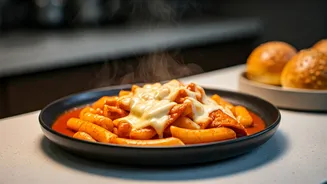
But why have these two specific dishes, from entirely different contexts, succeeded so wildly? The answer lies in how well they align with the modern Indian palate. Tteokbokki’s spicy, slightly sweet sauce is a flavour profile Indians understand and love. The chewy texture of the rice cakes, while unique, has parallels with familiar textures in our own cuisine. Moreover, the dish is highly adaptable; many Indian kitchens have added extra spice, vegetables, or even paneer to make it their own. As for the cheese garlic bun, it’s a trinity of universally loved ingredients. India’s love affair with Amul cheese is decades old, and our cuisine is no stranger to garlic or bread. The dish combines the comfort of a pav with the indulgence of a rich, creamy filling, making it an irresistible carb-load that feels both familiar and special.
More Than Just a Passing Fad
It’s easy to dismiss these as fleeting trends, but their presence on menus signifies a deeper shift in India’s urban dining culture. It reflects a new generation of diners who are more adventurous, globally connected, and digitally influenced than ever before. The line between 'authentic' and 'fusion' is blurring, and 'foreign' food no longer needs to be reserved for special occasions at fine-dining restaurants. The success of tteokbokki and cheese garlic buns shows that Indian diners are confident and curious. They are willing to embrace global flavours and make them their own, turning a K-drama snack and a viral internet creation into everyday comfort food. This isn't just about what's on the menu; it's about a palate that is expanding in real-time, one delicious, shareable, and spicy bite at a time.