





The era of lavish but impersonal gifts is fading. In India, a new culture of gifting is taking root, where the measure of a great present is not its material value but the richness of the memory it creates. But how did experiences become the new luxury?
From Possessions to Priceless Moments
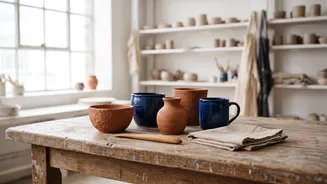
For generations, luxury gifting in India was defined by tangible assets: designer watches, expensive sarees, gold jewellery, and the latest electronics. These items were symbols of status and affection. Today, however, there is a clear shift. Consumers are increasingly questioning, 'How will this gift make them feel?' rather than just, 'What should I buy?'. This has paved the way for experience-based gifts, which prioritise creating lasting memories over simple ownership. Instead of a physical object that may be forgotten in a cupboard, an experience—be it a weekend getaway, a gourmet cooking class, or a pottery workshop—offers a unique and personal story to tell. Research shows that a vast majority of young Indians would rather spend money on an experience than a material object, signalling a deep-seated change in consumer values.
The New Definition of Luxury
The very concept of 'luxury' is being redefined. While high-end products still hold appeal, exclusivity is no longer just about a brand name. It's about access to unique, curated, and often personalised activities that are not easily available to everyone. A private wine-tasting tour in Nashik, a bespoke wellness retreat in the Himalayas, or a guided textile trail through the villages of Gujarat are the new markers of opulence. These gifts demonstrate a deeper level of consideration. They say, 'I know what you're passionate about'. This evolution reflects a broader trend where status is increasingly tied to the stories we can share and the personal growth we achieve, rather than the things we own.
The Millennial and Gen Z Influence
This movement is largely driven by India's younger generations. Millennial and Gen Z consumers, who have grown up in a digital world, value authenticity and personal fulfilment. For them, experiences provide the perfect content for social media, where a story about learning a new skill or visiting an offbeat location garners more social currency than a picture of a new gadget. Reports indicate that over 78% of Indian consumers now prefer spending on experiences. This generation is also more conscious of sustainability, often preferring the lower environmental impact of an experience compared to a mass-produced physical product. The desire for emotional well-being and a healthy work-life balance also plays a crucial role, with many viewing experiences like travel and concerts as essential for mental rejuvenation.
A New Marketplace for Memories
In response to this growing demand, a vibrant marketplace for experiential gifting has emerged across India. Companies now offer everything from curated gift vouchers for fine dining and spa treatments to elaborate, multi-day adventures. Popular categories include skill-based workshops (mixology, baking, painting), adventure sports (scuba diving, trekking), wellness packages, and curated travel to offbeat destinations. Even corporate gifting, once dominated by diaries and pens, is moving towards experiences like team building retreats and wellness subscriptions to motivate employees. This shift has created opportunities for a host of new businesses that specialise in curating and delivering these memorable moments.
Thoughtfulness in Action
Ultimately, the rise of experiential gifting is rooted in a deeper quest for thoughtfulness. Gifting in Indian culture has always been an expression of love, respect, and blessings. Choosing an experience requires a genuine understanding of the recipient's interests, passions, and desires. It's a highly personal act that shows you have invested time and effort in their happiness. A friend who loves food would cherish a masterclass with a renowned chef far more than another generic gift hamper. A parent might find more joy in a serene plantation stay than an expensive electronic. This level of personalisation transforms the gift from a simple transaction into a meaningful emotional connection, creating a memory that lasts a lifetime.