

Embrace Compound Movements
The secret to an efficient workout in a small space is to get the most bang for your buck with every movement. Instead of isolating small muscles, focus on compound exercises that work multiple muscle groups simultaneously. Think squats, push-ups, lunges,
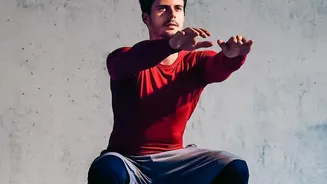
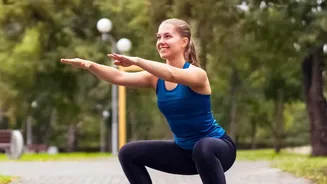
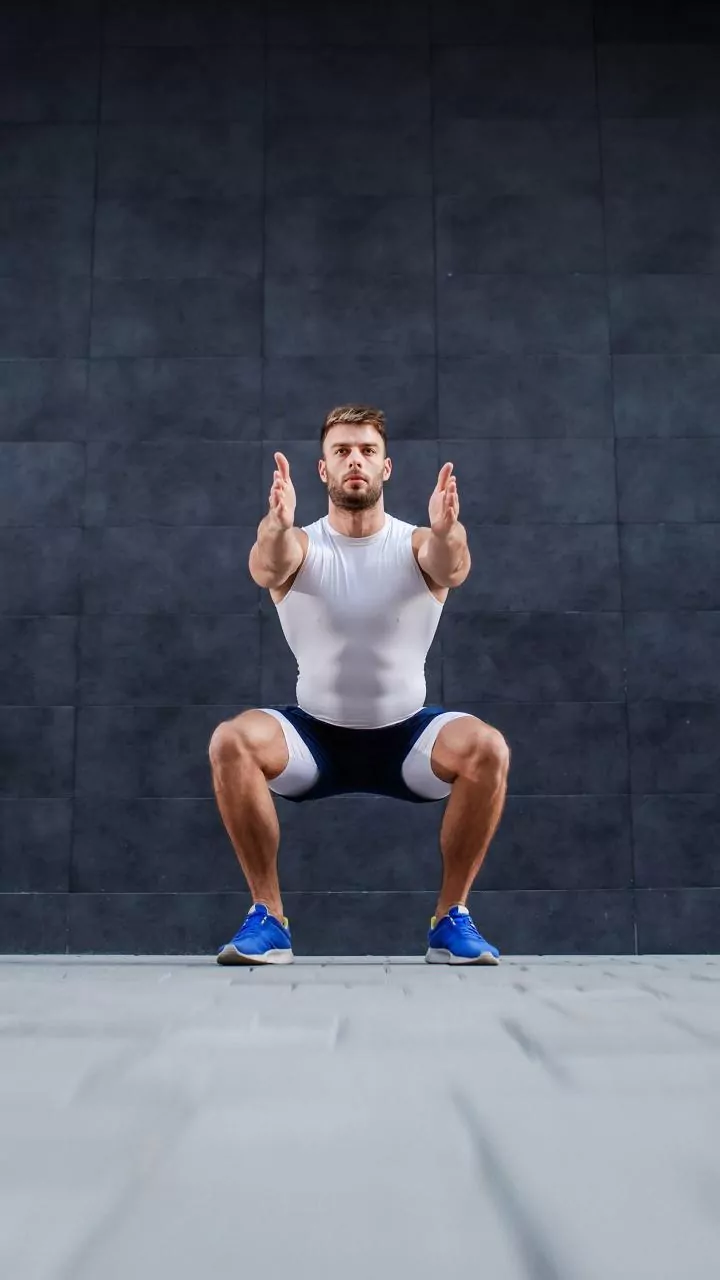
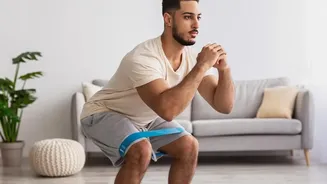
and planks. A bodyweight squat, for example, doesn't just work your quadriceps; it engages your hamstrings, glutes, and core for stability. This multi-muscle activation burns more calories in less time and builds functional strength that you use in everyday life, like lifting groceries or climbing stairs. A simple routine combining these core movements provides a full-body workout without needing to move around much at all, making it perfect for the space between your bed and the wall.
Manipulate Time and Tempo
When you don't have weights to increase the challenge, your watch becomes your best friend. There are two key ways to manipulate time: High-Intensity Interval Training (HIIT) and Time Under Tension (TUT). HIIT involves short bursts of all-out effort followed by brief recovery periods. For instance, do as many burpees as you can for 40 seconds, then rest for 20 seconds. This method skyrockets your heart rate and metabolic burn. Alternatively, focus on TUT by slowing down your movements. Instead of quickly performing 15 squats, take five seconds to lower yourself down and five seconds to come back up. This sustained muscle contraction creates a different kind of burn and stimulates muscle growth without the need for external resistance.
Discover the Power of Isometrics
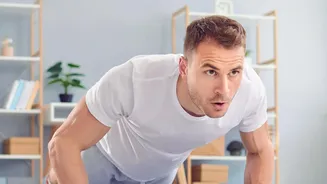
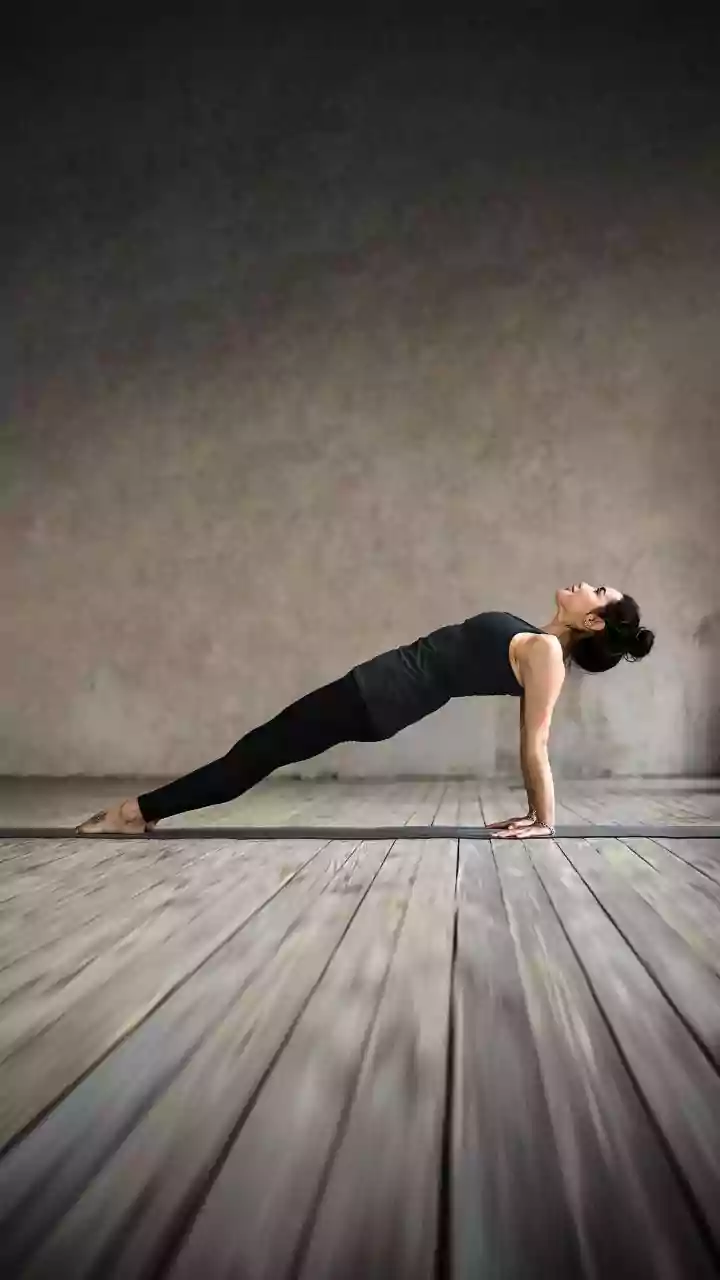
Who says you need to be in constant motion to get a good workout? Isometric exercises involve holding a static position under tension, and they are incredibly effective for building strength and endurance. The most famous example is the plank, which strengthens the entire core, but the options are endless. Try a wall sit, where you hold a squat position with your back against a wall, to torch your quads and glutes. Or, pause at the bottom of a push-up and hold for 10-20 seconds. These holds force your muscles to fire continuously, improving stability and strength in a way that dynamic movements sometimes miss. They require zero equipment and almost no space.
Use Progressive Overload Without Weights
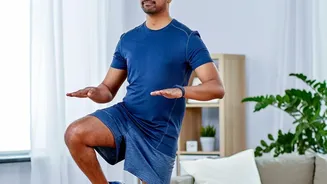
Progressive overload is the principle of continually making your workouts more challenging to stimulate improvement. Without weights, this requires creativity. One of the best ways is to progress the exercise itself. Once you master a standard push-up, try moving your hands closer together for a triceps-focused diamond push-up. When bodyweight squats become easy, switch to unilateral (single-leg) training. Attempt a pistol squat (a one-legged squat) or a split squat. Working one side of the body at a time not only doubles the load on that limb but also intensely challenges your balance and core stability, providing a significant step up in difficulty.
Turn Your Home into a Gym
While this is about 'zero gear', you can creatively and safely use your environment. A sturdy chair or the edge of your sofa is perfect for triceps dips or elevated push-ups, where placing your feet on the chair makes the exercise harder. A wall can be used for more than just wall sits; it can assist with handstand holds to build shoulder strength or for wall press-ups as a modification for beginners. You can even use a towel for exercises like bicep curls, creating tension by pulling the ends apart as you curl your arms. This approach allows you to expand your exercise library without cluttering your home with equipment.