





The Illusion of Choice
At first glance, a major airport terminal or railway station looks like a food court paradise. Bright signs advertise everything from global fast-food chains to local delicacies. But this variety can be deceiving. Many of these outlets are operated by
a single concessions company, leading to similar menus and quality across different storefronts. Furthermore, what seems like a world of choice quickly shrinks when you factor in your specific needs. The reality for many travellers is a frustrating search for a meal that fits their dietary restrictions, budget, or tight schedule. An abundance of options doesn't guarantee a suitable one.
The Budget Black Hole
It’s no secret that food inside airports and, to a lesser extent, train stations, comes with a significant markup. This isn't just simple price gouging; it's a result of high operational costs. Vendors pay exorbitant rent for their small spaces and often give a percentage of their sales back to the airport authority. Add the logistical challenges of delivering ingredients through strict security checks and the need for extra staffing for odd hours, and the costs pile up. For the traveller, this means a simple bottle of water or a basic sandwich can cost two or three times its street price, quickly eating into a travel budget.
When Dietary Needs Go Unmet
For travellers with dietary restrictions, navigating transit hub food is especially challenging. Finding gluten-free, vegan, nut-free, or low-sodium options can feel like a treasure hunt with no map. While some healthier choices like salads and fruit cups are becoming more common, they come with their own risks. Pre-packaged items sitting in open refrigerated cases can be subject to temperature fluctuations, increasing the risk of spoilage or bacterial growth. Cross-contamination is another serious concern in kitchens designed for speed over specialised preparation. When your health depends on what you eat, leaving it to chance at a transit hub is a significant risk.
The Time Crunch Trap
Even if you find the perfect restaurant, time may not be on your side. Long queues are common, especially during peak travel hours. Service can be slow as kitchens struggle to serve a massive volume of customers who are all in a hurry. Sometimes, the best food options are located in a different terminal or far from your platform or gate, making them inaccessible if you have a tight connection. Walking around while waiting for your flight can help you avoid eating out of boredom, which is a common travel trap. The convenience of on-site dining disappears when you spend 20 minutes in a line for a meal you only have five minutes to eat.
Smarter Strategies for Travellers
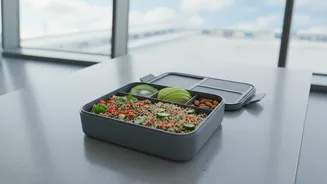
The best defence is a good offence: planning. Bringing your own food gives you complete control. Pack non-perishable, easy-to-eat items like nuts, protein bars, whole fruits, or homemade sandwiches. If you need to keep things cool, invest in a quality small cooler bag. For train journeys in India, services now exist to order meals online from FSSAI-approved restaurants, which are then delivered to your seat at designated stations. Indian Railways has also launched initiatives to provide affordable 'Economy Meals' at counters near general coaches in over 100 stations. A little research before you leave home can save you from the stress, expense, and disappointment of the transit food gamble.