
More Than Just 'Slowing Down'
It's a common observation: as pets enter their golden years, they seem to slow down. They might sleep more, play less, and become a bit grumpy. While ageing is a factor, these changes can also be classic signs of chronic pain. One of the most overlooked
sources of this discomfort is dental disease. Periodontal disease is incredibly common, with most pets showing signs by age three, and it often worsens with age. What looks like a pet simply getting old could be their way of coping with persistent, silent pain originating from their teeth and gums.
The Invisible Pain of Dental Disease
Pets are masters at hiding pain, a survival instinct passed down from their wild ancestors. This is why dental disease can progress for years without obvious symptoms. The problem typically starts when plaque hardens into tartar, leading to gum inflammation (gingivitis). If left untreated, the condition advances to periodontitis, where bacteria invade below the gumline, destroying supportive tissues and bone. This can lead to painful tooth root abscesses, which are pockets of infection deep in the jaw. This process is not just uncomfortable; it's a source of constant, draining pain that your pet cannot tell you about.
Connecting Teeth to Temperament and Energy
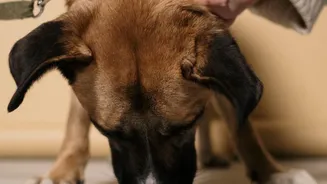
Chronic pain from a tooth infection has a powerful effect on a pet's behaviour and energy. A sore mouth makes eating difficult, causing pets to lose interest in food, which naturally impacts their energy levels. The constant discomfort can also make them irritable, withdrawn, or aggressive, especially if touched near the face. A pet that was once playful might become lethargic because movement is draining when their body is fighting a constant infection. This stress on their system can disrupt sleep patterns and lead to a general decline in their mood and willingness to interact.
Subtle Signs You Might Be Missing
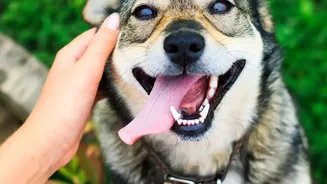
Since pets hide pain so well, owners must become detectives. Beyond unusually bad breath, which is a primary sign, there are other subtle clues. Watch for changes in eating habits, such as chewing on one side of the mouth, dropping food, or suddenly preferring soft food. You might also notice excessive drooling, pawing at the face, or rubbing their muzzle on furniture. A reluctance to play with chew toys that they once loved is another significant red flag. Sometimes, swelling may appear on the face, particularly under an eye, which can indicate a severe tooth root abscess.
What Your Veterinarian Can Do
If you suspect a dental issue, a veterinary exam is crucial. Your vet will perform an oral examination, but a full assessment requires general anaesthesia. This allows for dental X-rays to see beneath the gumline and a thorough cleaning to remove plaque and tartar. If an abscessed or severely damaged tooth is found, treatment typically involves one of two options: extraction of the tooth or a root canal. While antibiotics can help control the infection temporarily, they will not cure the underlying problem; the source of the infection must be removed.
Prevention Is the Best Medicine
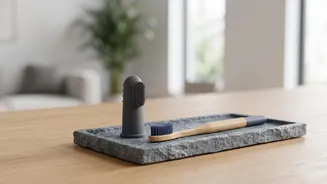
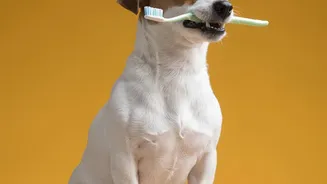
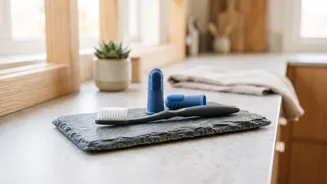
The best way to protect your senior pet is through proactive care. Regular at-home teeth brushing with a pet-safe toothpaste is highly effective at preventing plaque buildup. Specially formulated dental diets and chews can also help, but they are not a substitute for brushing and professional cleanings. Routine professional dental cleanings are essential, as they remove tartar from below the gumline where brushes cannot reach. For senior pets, an annual or even semi-annual dental check-up can catch problems early, before they lead to pain and systemic health issues.