






Why Moisture Lingers Indoors
After a strong spell of rain, especially during the monsoon season, the ground becomes saturated with water. As the sun comes out and the temperature rises, this water evaporates, sending huge amounts of moisture into the air. This outdoor humidity inevitably
finds its way inside your home. Warmer air can hold more water vapour, which is why a post-rain environment often feels so much more humid. This effect is worsened in modern, airtight homes which, while energy-efficient, can also trap this moist air inside if not properly ventilated.
Telltale Signs of High Humidity
How can you tell if your home has a humidity problem? Look for these common indicators. Condensation on windows, pipes, and mirrors is a classic sign. You might also notice damp spots or discoloured stains on walls and ceilings, or find that paint and wallpaper have started bubbling or peeling. A persistent musty smell is another major red flag, often signalling the presence of mould or mildew. In some cases, wooden furniture or floors may begin to warp or swell.
The Risks to Your Home and Health
Sustained high humidity, generally above 60%, creates an ideal breeding ground for mould, mildew, and dust mites. Mould spores and dust mite waste are common indoor allergens that can trigger or worsen asthma, allergies, and other respiratory issues. Beyond the health concerns, excess moisture can cause significant structural damage to your home. It can lead to wood rot, weaken plaster, and compromise your home's foundation over time, leading to expensive repairs. High humidity can also attract pests like cockroaches and termites that are drawn to damp environments.
Quick Steps for Immediate Relief
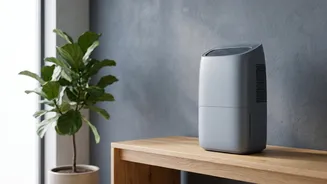
When you notice the air feels heavy, taking quick action can make a big difference. If the air outside is drier than inside, open windows and doors to create cross-ventilation. Use exhaust fans in kitchens and bathrooms during and after cooking or showering to expel moist air directly outside. Your air conditioner is also a powerful dehumidifier; running it, even for a short time, can pull a significant amount of moisture from the air. For persistent issues, a portable dehumidifier can be targeted to especially damp areas like basements or closets.
Long-Term Humidity Control Strategies
For lasting control, a few home maintenance steps are crucial. Ensure your home is properly sealed by checking for and fixing leaks around windows, doors, and pipes. Proper drainage is also key; make sure gutters are clean and that the ground slopes away from your foundation to prevent water from pooling. Regularly cleaning your air conditioner's filters and coils will ensure it runs efficiently to remove humidity. In very humid climates, investing in a whole-house dehumidifier that integrates with your HVAC system can provide the most comprehensive solution.