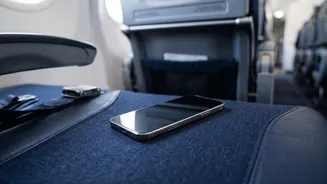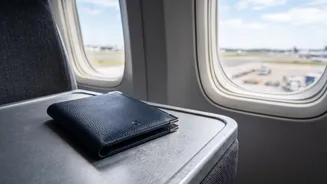






That sinking feeling when you realise you’ve left a tablet, jacket, or wallet on the plane is a universal travel nightmare. But getting it back is no longer as simple as rushing to the gate. Here’s why the process has changed.
The Golden Hour at the Gate Is Shrinking
In the past, a quick dash
back to the departure gate might have reunited you with a lost item. If you were quick enough, a sympathetic gate agent could radio the cabin crew who were still on board. However, that window of opportunity is closing fast. Once passengers deplane and the cleaning crews board, any items found are removed from the aircraft. With airlines operating on tight turnaround schedules, especially low-cost carriers, the priority is to prepare the plane for its next flight. This means your lost item quickly enters a formal, and often centralised, lost property system, leaving local gate staff unable to help.
A Fragmented System: Who Has Your Item?
One of the biggest sources of confusion for travellers is that there is no single 'airport lost and found'. The entity responsible for your item depends entirely on where you lost it. Items left on the aircraft are the airline's responsibility. Anything left in the terminal—at a restaurant, restroom, or gate area—is handled by the airport authority. To complicate matters further, items abandoned at security checkpoints are managed by a separate security agency, like the TSA in the United States. This fragmentation is precisely why you must contact the specific airline for belongings left on a plane; the airport staff in the main terminal simply don't have access to the airline's internal process.
The Rise of Centralised Recovery Systems
To manage the sheer volume of lost property, many major airlines have moved away from storing items at local airports. Instead, they use centralised lost and found systems, often powered by specialised software platforms. Found items are logged, given a reference number, and sometimes shipped to a single warehouse. From a passenger's perspective, this means the first and most crucial step is to file a detailed online report. This report, which requires your flight number, seat number, and a detailed description of the item, is what allows the system to match your claim to a found object. The more specific you are—mentioning brands, colours, serial numbers, or unique marks—the higher the chance of a successful match.
Why Airlines Made the Change
While it may seem bureaucratic, the shift to centralised, digital systems is driven by a need for efficiency and better tracking. Handling thousands of lost items across hundreds of airports is a massive logistical challenge. A unified digital platform, in theory, reduces errors, creates a searchable database, and provides a consistent process for passengers regardless of where they are. These systems can automate communication, updating passengers on the status of their claim and reducing the workload on call centres. It also improves security and accountability, as each item is logged and tracked from the moment it is found until it is returned or disposed of after a set period, which is typically 30 to 90 days.
Your Action Plan for a Successful Recovery
If you've left something on a plane, acting fast is critical. Ideally, report the loss before you even leave the destination airport by visiting the airline's baggage service desk. If you've already left, go directly to the airline's official website and locate their lost and found page to file a digital report. Do not rely on third-party services or unverified phone numbers, as scams are common. Be incredibly detailed in your report. Provide your flight number, date, seat number, and a forensic-level description of your item. After filing, you should receive a reference number—keep this safe for followups. Persistence is key, so check the status of your claim regularly through the airline's official portal.