



A New Compass for Travellers
For decades, travel planning in India revolved around historical landmarks, natural wonders, and religious sites. But a cultural shift is underway, and it’s being driven by our taste buds. A recently launched report, The India Culture Travel Index from
travel app Skyscanner, puts a number to this trend. The study, released in late July 2026, reveals that a staggering 67% of Indian travellers now plan their holidays around cultural experiences, with food, festivals, and heritage at the forefront. This isn't just a minor preference; it represents a fundamental change in the travel mindset. The report highlights that an overwhelming 84% of travellers have a growing interest in exploring their own country's diverse culture. This suggests that the search for authentic experiences is leading more people to look inwards, exploring the incredible diversity within India's own borders.
The Power of the Plate
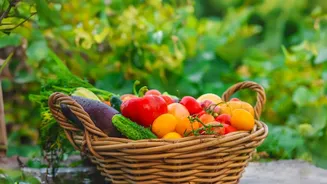
The index specifically points to the rise of food-driven journeys. While heritage remains the single biggest motivator for 47% of travellers, the influence of culinary discovery is undeniable. The growing popularity of food, craft, and heritage trails was cited as a major factor for 41% of respondents, showing that a destination's menu is becoming as important as its monuments. This trend is validated by market research, which projects the Indian culinary tourism market to grow exponentially, reaching into the billions of dollars. This economic boom is fueled by travellers who are increasingly willing to journey across the country for a specific dish, a unique ingredient, or a famed local eatery. It’s no longer just about finding a good place to eat while on vacation; the food itself is becoming the reason for the vacation. This marks the evolution of food from a travel necessity to a travel destination in its own right.
Beyond Monuments and Museums
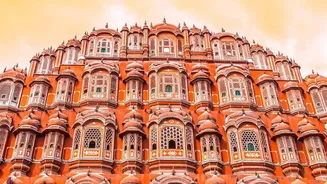
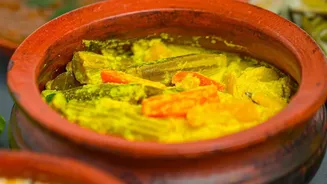
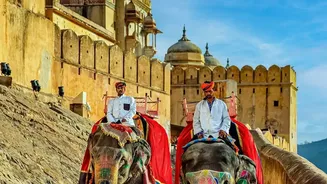
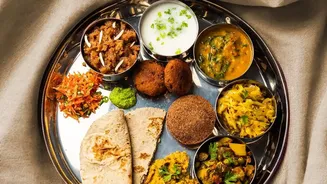
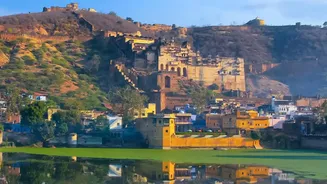
According to the Skyscanner report, the most popular states for cultural travel are Kerala, Rajasthan, and Uttarakhand. What’s changing is why people are going. A trip to Rajasthan is no longer just for the forts of Jaipur, but also for the authentic taste of dal baati churma. A journey to Kerala isn’t complete without experiencing a traditional sadya on a banana leaf or fresh seafood from the Malabar coast. This reflects a desire for more immersive, sensory experiences that go beyond passive sightseeing. Travellers want to connect with a place on a deeper level, and food is one of the most direct and enjoyable ways to do so. This shift also means that destinations are being redefined. A city or region can now build its travel identity around a signature dish, a unique cooking style, or a vibrant street food scene, attracting a new generation of gastronomic explorers.
From Street Stalls to Festivals
This hunger for authentic flavour is also taking travellers off the beaten path. The report notes that one in four travellers are now heading to Tier-2 and Tier-3 towns for cultural experiences, moving beyond the usual metro circuit. This is where many of the country's most unique food traditions are found, from bustling local markets to family-run kitchens. Furthermore, festival tourism has emerged as a major driver, with 72% of Indians saying they would plan a trip specifically to attend a cultural or religious festival. Many of these events, like Durga Puja in Kolkata, are inextricably linked with food, offering a vibrant explosion of traditional sweets and communal feasts. The rise of organised street food tours in cities like Delhi and Mumbai further shows how informal, local food culture is being elevated into a must-do travel experience.
What's Driving the Appetite for Travel?
Several factors are feeding this trend. The Skyscanner index highlights the significant role of social media and YouTube, with 42% of travellers citing them as a key influence. Digital platforms have given regional Indian cuisines a global stage, turning local delicacies into viral sensations and inspiring countless travel plans. A perfectly plated Hyderabadi biryani or a video of a chef preparing a complex Mughlai dish can spark wanderlust in a way a simple travel brochure cannot. This digital discovery is coupled with a deeper, more inherent desire to connect with heritage. Food is a living tradition, a story passed down through generations. By exploring the culinary landscape of India, travellers are not just satisfying their hunger—they are partaking in a rich cultural narrative that defines the very essence of a place.