






From Morning Brew to a Fresh Harvest
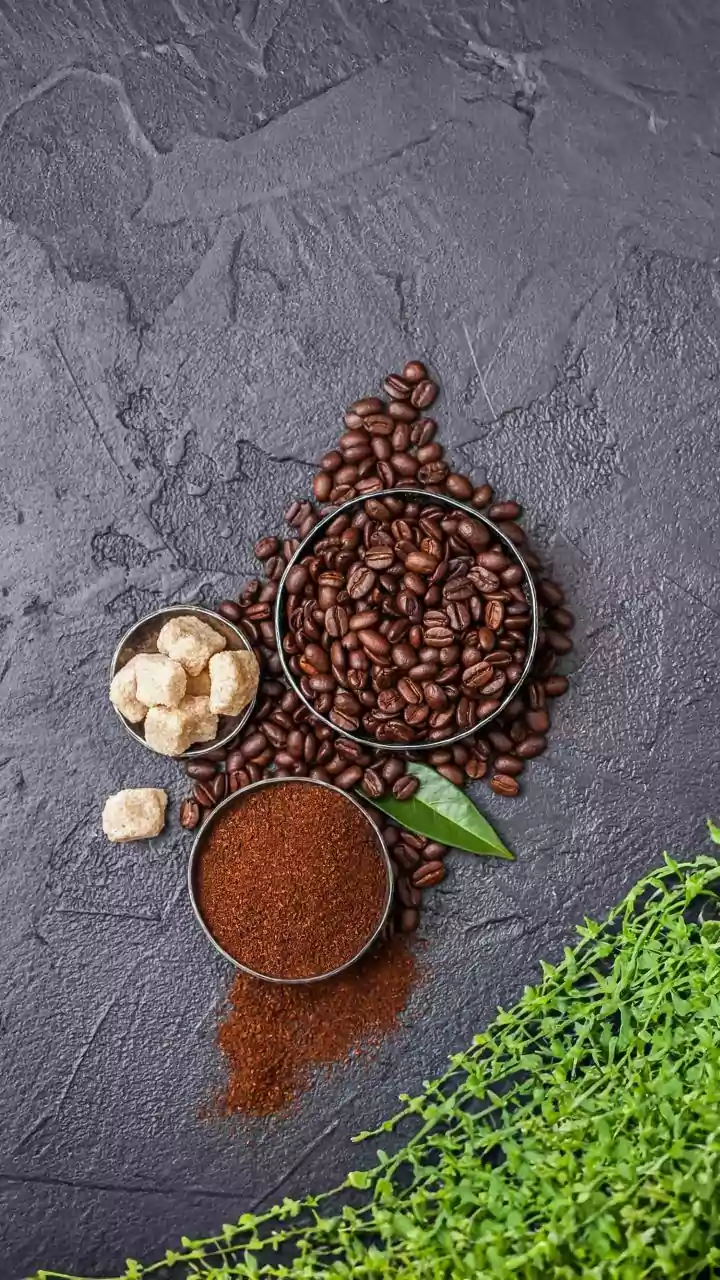
At its heart, the concept is a perfect example of upcycling. Instead of being discarded, spent coffee grounds are collected from homes and cafés to be used as a growing medium, or substrate, for edible mushrooms. The process is remarkably simple: fresh
grounds are mixed with mushroom spawn—the root-like structure of the fungus called mycelium—and kept in a controlled environment. In just a few weeks, clusters of fresh mushrooms sprout directly from the coffee waste. The most common variety grown this way is the oyster mushroom, which is known for being both resilient and fast-growing. It’s a closed-loop system that turns a ubiquitous urban waste product into a source of fresh, local food.
A Perfect Match of Waste and Want
Coffee grounds and mushrooms are a surprisingly perfect match. First, the brewing process itself is a huge advantage. When hot water passes through the grounds, it effectively pasteurises them, killing off most of the competing bacteria and mould spores. This is a step that mushroom growers using other substrates, like straw or wood chips, have to perform themselves, often using significant energy. Second, the grounds are packed with nutrients. They are rich in nitrogen, cellulose, and other compounds that mushroom mycelium thrives on. Less than 1% of the coffee bean’s biomass ends up in the cup, meaning the remaining 99% is a nutrient-dense resource just waiting to be used.
The Ultimate Circular Economy Crop
For city dwellers, this cultivation method represents a powerful step towards a circular economy. Every day, metro hubs generate tonnes of coffee waste from office canteens, restaurants, and millions of homes. By diverting this from landfills, urban mushroom farms reduce methane emissions, a potent greenhouse gas produced by decomposing organic matter. Furthermore, growing food hyper-locally slashes food miles, reduces the need for refrigerated transport, and minimises packaging. Consumers get access to incredibly fresh produce, often harvested the same day it’s sold. After the final mushroom harvest, the spent coffee substrate is not waste; it becomes a fantastic, nutrient-rich compost for gardens, completing the cycle.
Why It's Taking Root in Indian Cities
The trend is finding fertile ground in Indian metros for several reasons. There is a growing consumer demand for clean, locally sourced food, coupled with an increasing awareness of sustainability. This has fuelled a boom in urban farming startups and community-led agricultural projects across cities like Bengaluru, Mumbai, and Delhi. For aspiring entrepreneurs, coffee-ground mushroom cultivation has a low barrier to entry; it requires minimal space—a balcony, a spare room, or a small warehouse will do—and the primary raw material is a free waste product that cafés are often happy to give away. This aligns with a broader movement in India towards fungiculture, with mushroom-growing kits becoming popular and a new generation of 'mycophiles' exploring the potential of fungi for food and business.
Challenges and the Future of Urban Fungi
While promising, the model isn’t without its challenges. Success depends on a consistent supply of fresh coffee grounds, as older grounds can develop competing moulds. Scaling up from a home project to a commercial operation requires efficient logistics for collection and distribution. Some growers also find that while coffee is a great starter, yields can be improved by mixing it with other materials like straw or sawdust to improve aeration and nutrient balance. Despite these hurdles, the momentum is undeniable. As technology in urban farming advances, with better climate controls and optimised growth recipes, cultivating mushrooms on coffee grounds is poised to become more than just a niche hobby. It offers a tangible, scalable solution for making our cities more resilient, sustainable, and delicious.