




What Exactly Is a Meteor Shower?
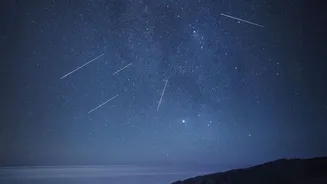
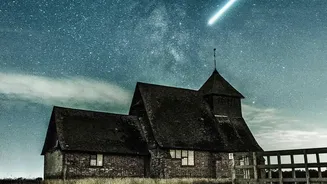
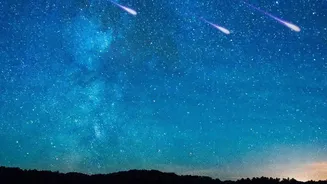
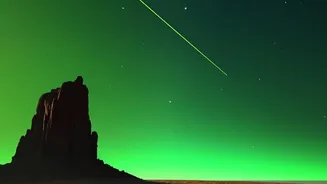
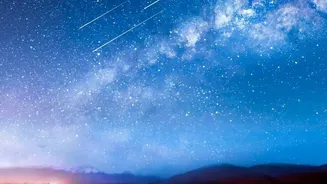
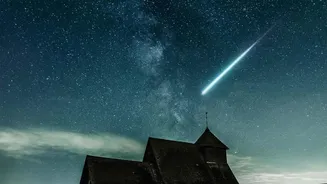
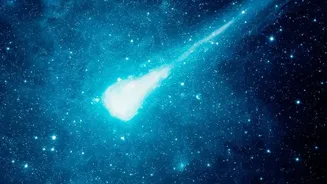
Often called 'shooting stars', meteors are not actually stars at all. They are tiny bits of space dust and debris, often left behind by comets, that burn up upon entering Earth's atmosphere at incredible speeds. When our planet passes through a dense
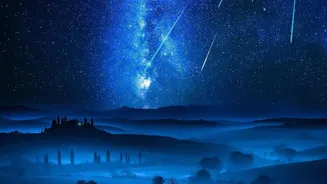
trail of this debris, we experience a meteor shower — a celestial event where dozens or even hundreds of these bright streaks can be seen originating from a common point in the sky, known as the radiant. The Perseids are debris from Comet Swift-Tuttle, while the Orionids come from the even more famous Halley's Comet. Watching them is a simple, equipment-free way to connect with the cosmos; all you need are clear, dark skies and a little patience.
A Look Back at August's Dazzling Display
The Perseid meteor shower is an annual favourite, and 2026 offered one of the best shows in years. Peaking on the night of August 12-13, the shower coincided perfectly with a new moon, which meant the sky was exceptionally dark and free from lunar glare. This created ideal conditions for spotting even the fainter meteors. Under pristine, dark-sky locations, observers had the chance to see up to 100 meteors per hour. For those in India, the best viewing window was in the pre-dawn hours, when the radiant point in the constellation Perseus was high in the northeastern sky. If you missed this spectacular event, don't worry—another major shower is just around the corner.
Your Next Chance: The Orionids in October
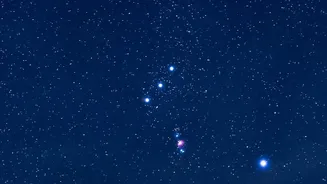
Your next opportunity for some celestial magic is the Orionid meteor shower, which peaks on the night of October 21-22, 2026. This shower typically offers a more modest rate of around 20 meteors per hour under perfect conditions, but the meteors themselves are known for being exceptionally fast and bright, often leaving persistent trails. This year, viewing comes with a slight challenge: a bright waxing gibbous moon will light up the sky for much of the night. However, there’s a simple strategy to overcome this. The moon sets a few hours before dawn, opening up a perfect window of darkness. For the best chance of success, plan to watch in the early morning hours, between moonset and the start of twilight.
India’s Best Dark Sky Havens
The key to a great stargazing experience is escaping urban light pollution. India is blessed with diverse landscapes that offer pristine night skies. For the ultimate experience, head to the high-altitude deserts. Hanle in Ladakh is now officially India's first Dark Sky Reserve, boasting some of the clearest skies in the world. Nearby Spiti Valley in Himachal Pradesh is another world-class destination, with villages like Kaza and Kibber offering breathtaking views. If the Himalayas feel too remote, the vast salt flats of the Rann of Kutch in Gujarat and the dunes near Jaisalmer, Rajasthan, provide an equally dramatic and more accessible backdrop. In the south, the misty hills of Coorg, Karnataka, offer dark skies away from the monsoon season. For a shorter trip, hill stations like Kausani in Uttarakhand or Narkanda in Himachal Pradesh are great non-metro escapes.
Your Essential Stargazing Checklist
You don't need to be an expert or own a telescope to enjoy a meteor shower. Success comes down to simple preparation. First, find a location with a wide, unobstructed view of the sky, as far from city lights as possible. Allow your eyes at least 20-30 minutes to fully adjust to the darkness; this will dramatically increase the number of meteors you see. Comfort is crucial, as you'll be looking up for a while. Bring a reclining chair or a thick blanket to lie on. Even on summer nights, it can get surprisingly cold in the early morning hours, so dress in warm layers. Finally, remember that the best viewing is almost always after midnight and into the pre-dawn hours, when the part of Earth you are on is facing directly into the meteor stream.