

Mawlynnong, Meghalaya: Asia's Cleanest Village
Fondly called 'God's Own Garden', Mawlynnong is famous for its exceptional cleanliness and community-led eco-tourism. This small village in the East Khasi Hills is a maze of spotless lanes, bamboo dustbins, and colourful gardens. Life here is simple and deeply
connected to nature. Beyond its pristine environment, the village offers attractions like the gravity-defying living root bridge and a sky-walk viewpoint made of bamboo, which provides sweeping views of the Bangladesh plains. Staying in a local homestay offers a chance to experience the warm Khasi hospitality firsthand.
Majuli, Assam: The Disappearing River Island
Majuli is the world's largest river island, nestled in the mighty Brahmaputra River, but it is shrinking due to erosion, making a visit here all the more poignant. It is the cultural heart of Assamese Neo-Vaishnavism, home to ancient monasteries called 'satras' that preserve unique traditions of music, dance, and mask-making. The best way to explore Majuli is by renting a bicycle and pedalling through its flat, tranquil roads, passing Mishing tribal villages with their stilt houses and lush paddy fields. It’s a place where time slows down, governed by the rhythm of the river and a rich cultural heritage.
Langza, Himachal Pradesh: A Fossil Hunter's Paradise
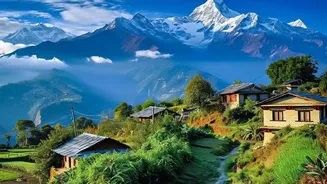
Located at a dizzying altitude of about 4,400 metres in Spiti Valley, Langza is a remote village with a surreal landscape. It is instantly recognisable by its giant golden Buddha statue that overlooks the valley, with the snow-capped Chau Chau Kang Nilda peak in the background. Millions of years ago, this area was under the Tethys Sea, and today, ammonite fossils are commonly found scattered on its slopes, earning it the nickname 'Fossil Village'. With only a handful of homestays, Langza offers an authentic and peaceful Spitian experience, far from the commercial buzz of more accessible destinations.
Ziro Valley, Arunachal Pradesh: Land of the Apatani Tribe
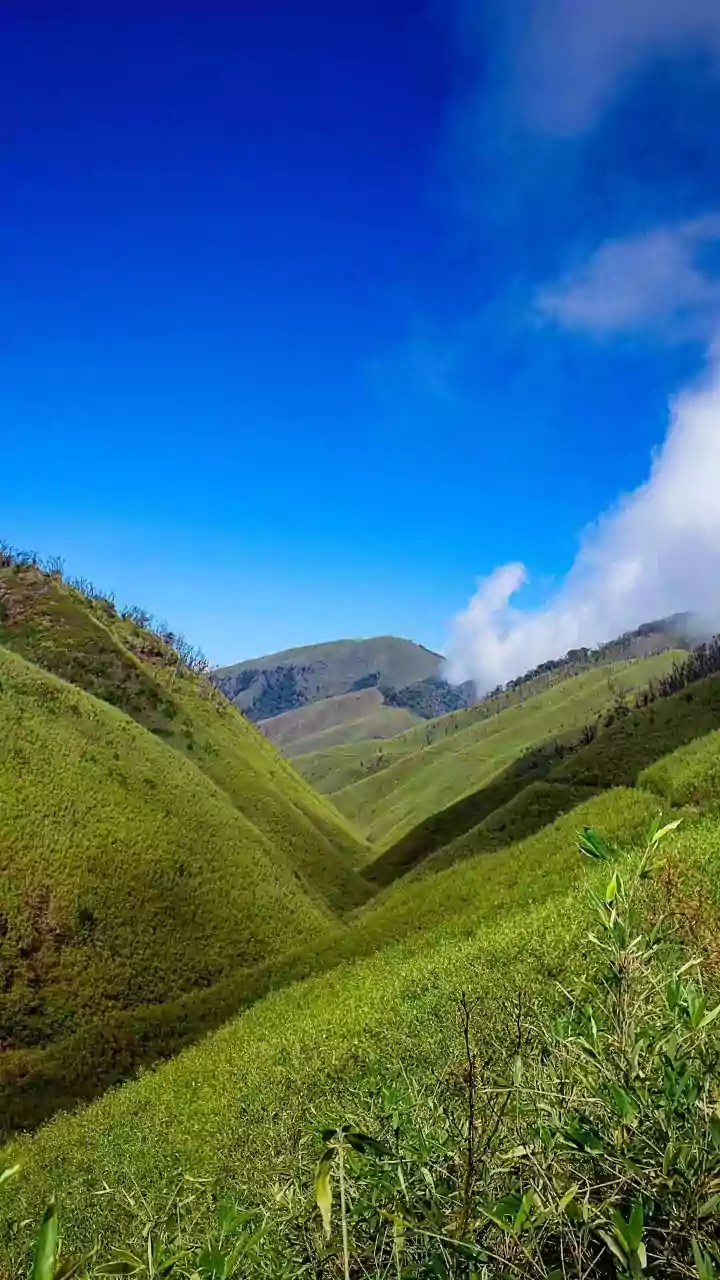
A lush, flat valley enclosed by pine-clad hills, Ziro is a UNESCO World Heritage Site candidate celebrated for the unique culture of the Apatani people. The tribe is known for its highly efficient paddy-cum-pisciculture system, which cultivates rice and fish together sustainably without machines or farm animals. Exploring the traditional bamboo houses, interacting with the elders (some of whom still have facial tattoos and nose plugs), and walking through the tranquil pine groves makes for an immersive experience. While it hosts the famous Ziro Music Festival, the valley remains a peaceful retreat for the rest of the year.
Mararikulam, Kerala: The Quiet Coastal Escape
If you dream of Kerala's coast but without the crowds of Kovalam or Varkala, Mararikulam is your answer. This sleepy fishing village offers a serene stretch of sand fringed with coconut palms. The pace of life is slow, revolving around the local fishermen and their daily catch. It is the perfect place to unwind in a hammock, enjoy Ayurvedic treatments, or take a quiet stroll along the shore. Unlike the bustling backwater hubs, Mararikulam provides a more tranquil, authentic beach experience, with charming homestays and eco-friendly resorts that blend into the natural surroundings.
Kalap, Uttarakhand: A Himalayan Garhwali Retreat
Tucked away in the upper Garhwal Himalayas at an altitude of 7,800 feet, Kalap is a village that remains untouched by commercial tourism. It is accessible only by foot, requiring a trek from the nearest road, which helps preserve its pristine charm. Home to a community that traces its lineage to the characters of the Mahabharata, the village offers a deep cultural immersion. Surrounded by dense deodar forests and offering stunning views of the Bandarpunch peak, it is a haven for trekkers and those seeking solitude. Sustainable tourism here is community-driven, focusing on authentic homestay experiences.
Khimsar, Rajasthan: The Desert Oasis
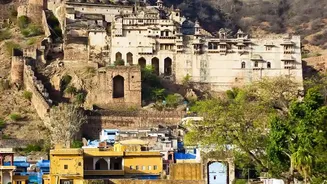
Situated on the edge of the Thar Desert, Khimsar offers a tranquil desert experience away from the tourist trails of Jodhpur or Jaisalmer. The village is centered around the majestic 16th-century Khimsar Fort, a part of which is now a heritage hotel still inhabited by the royal family. A short drive away, the Khimsar Sand Dunes Village offers an even more secluded escape, with eco-friendly huts nestled around a small lake, creating a surreal oasis. Here, you can enjoy camel safaris, jeep rides, and quiet evenings watching the sunset over the dunes without the usual crowds.
Amboli, Maharashtra: Gem of the Sahyadris
Known as the 'Cherrapunji of Maharashtra', Amboli is a misty hill station in the Sahyadri Hills, near the Goa border. It receives heavy rainfall, which transforms the landscape into a lush paradise of dense forests and cascading waterfalls during the monsoon. Unlike more popular Maharashtrian hill stations, Amboli is a quiet, sleepy town, making it perfect for nature lovers. It is a biodiversity hotspot, teeming with unique species of frogs and reptiles. Visitors can explore numerous viewpoints like Sunset Point and Mahadev Gad, walk through forest trails, and enjoy the serene, rain-washed atmosphere.