
The Dazzling Perseid Meteor Shower
This is the main event of the month for stargazers. The Perseid meteor shower, one of the most reliable and spectacular showers of the year, will reach its peak on the night of August 12 and into the early morning of August 13. The timing could not be
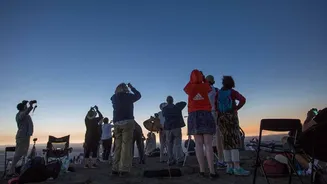
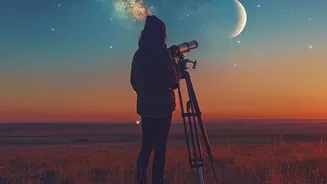
better, as the peak coincides with the New Moon, meaning the skies will be exceptionally dark, providing perfect conditions for viewing. The Perseids are known for their bright, fast meteors that often leave long, glowing trails. The shower is produced by debris left behind by Comet Swift-Tuttle. In a clear, dark sky away from city lights, you could potentially see between 50 and 75 meteors per hour during the peak. For the best experience, find a comfortable spot with a wide-open view of the sky, let your eyes adjust to the darkness for about 30 minutes, and be patient. No special equipment is needed; the show is best enjoyed with the naked eye.
Venus Shines Bright in the Evening
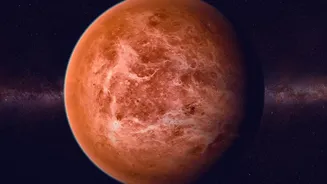
Often called the "Evening Star," Venus will be a brilliant beacon in the western sky shortly after sunset this month. Around the middle of August, from the 14th to the 16th, the planet will be at its brightest and easiest to spot. Its dazzling, steady light makes it unmistakable. You don't need a telescope or binoculars to see it; simply look towards the west as twilight deepens. Its incredible brightness is due to its thick, reflective cloud cover and its relative closeness to Earth. This provides an easy and rewarding target for even the most casual skywatcher, a perfect sight to look for while on an evening walk. Watching it hang in the colourful post-sunset sky is a simple yet profound astronomical experience.
A Parade of Morning Planets
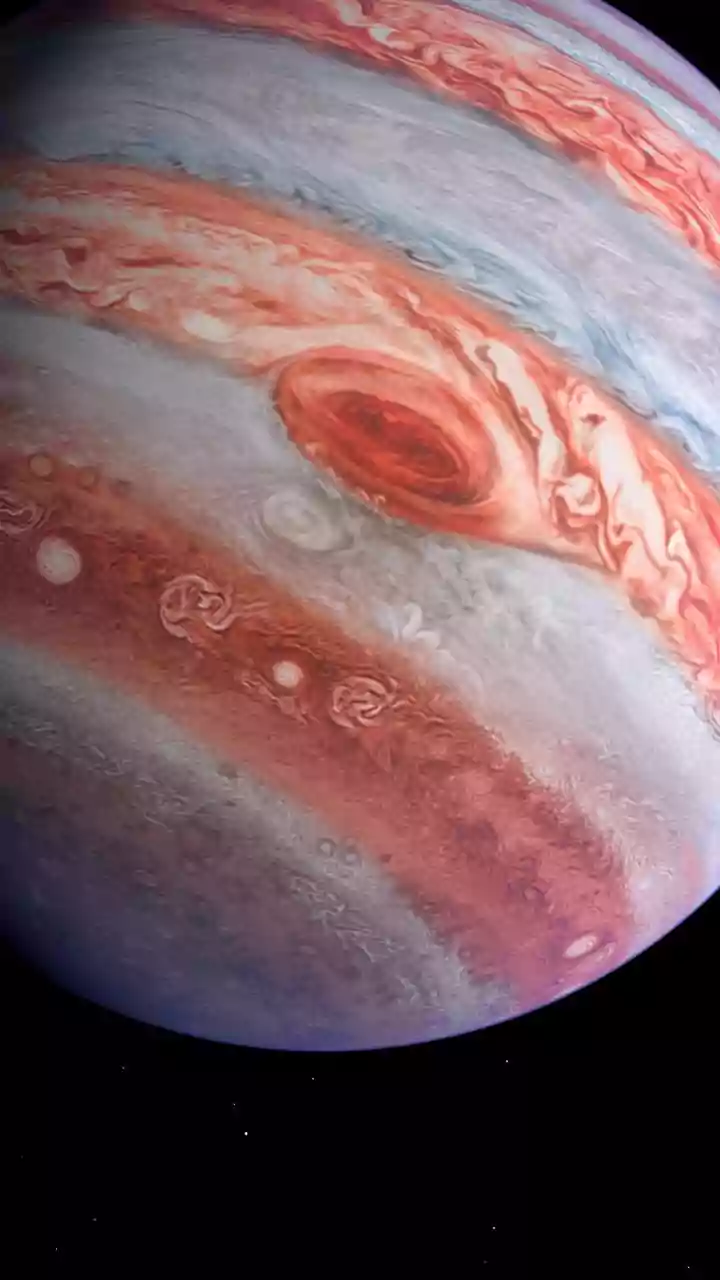
If you are an early riser, August offers a special treat. Around mid-month, you can witness a wide alignment of several planets in the pre-dawn sky. The best days to look are from August 8 to August 11, when you might see Jupiter, Mercury, and Mars line up diagonally. While seeing all of them can be challenging, Mars and Saturn will be among the easiest to spot with the naked eye before the sun comes up. To find them, you'll need a clear view of the eastern horizon. Using a stargazing app on your phone can be a great help in identifying which bright dot is which planet. This alignment offers a beautiful visual representation of the ecliptic plane, the path that all planets follow as they orbit the sun.
The Full Sturgeon Moon
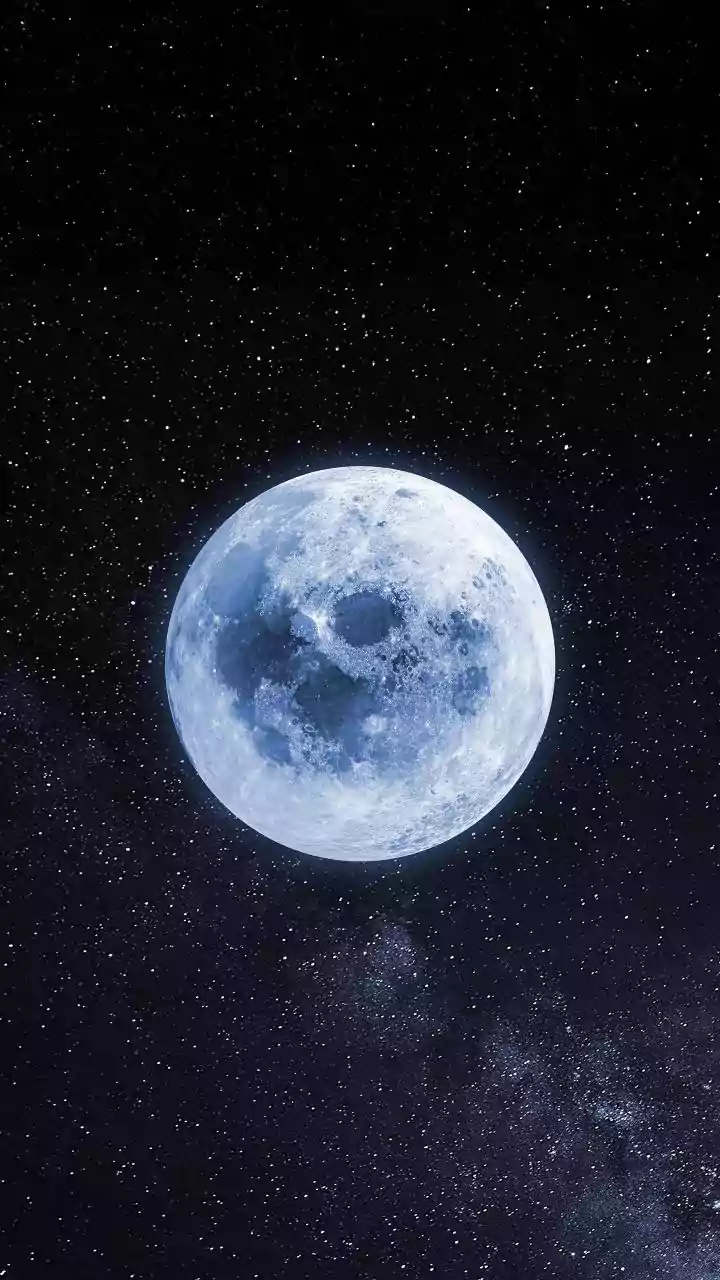
August's full moon will rise on the night of Friday, August 28. This full moon is traditionally known as the Sturgeon Moon, a name given by Native American tribes who found that the large sturgeon fish were most easily caught in North America's Great Lakes during this time of year. While a major partial lunar eclipse will accompany this full moon, it is important to note that this eclipse will not be visible from India. The event will primarily be seen across the Americas and parts of Europe and Africa. Nevertheless, the full moon itself is always a beautiful sight, so be sure to look for it as it rises in the east around sunset, illuminating the night sky.
General Tips for Indian Stargazers
To make the most of these celestial events, a little preparation goes a long way. First, try to get away from the light pollution of major cities. Even a short drive to a darker suburban or rural area can dramatically increase the number of stars and meteors you can see. Second, be mindful of the monsoon season. Check the weather forecast for clear skies, as clouds can easily obstruct the view. Third, give your eyes time to adapt. It takes about 20-30 minutes for your eyes to fully adjust to the darkness, so avoid looking at your bright phone screen. If you use a stargazing app, switch it to red-light mode to preserve your night vision. Finally, be comfortable. Bring a blanket or a reclining chair so you can look up for long periods without straining your neck. Patience is key; the universe will put on a show.