


Why Bodyweight Training Is Perfect for Beginners
Bodyweight exercises are the ideal starting point for anyone new to fitness. They are incredibly convenient and completely free—all you need is a small amount of space. Because these movements often mimic everyday actions like pushing, pulling, and squatting,
they build 'functional strength'. This makes daily tasks easier and improves your overall balance and coordination, which can help reduce the risk of injury. Many find working out at home less intimidating than going to a gym, allowing you to focus on your form and progress at your own pace. Exercises can be easily modified to match your current fitness level, ensuring you can get started safely and effectively.
The Essential Warm-Up
Never skip your warm-up. A good warm-up prepares your body for exercise by gradually increasing your heart rate and blood flow to your muscles. This helps prevent injury and improves your performance. Spend 5-10 minutes on dynamic movements, which involve actively moving your joints and muscles through a range of motion. Try simple exercises like arm circles, leg swings, torso twists, and marching in place to get your body ready for the work ahead.
The Foundation: Bodyweight Squats
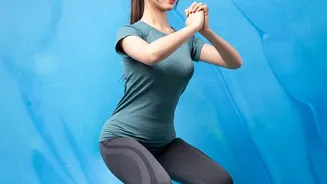
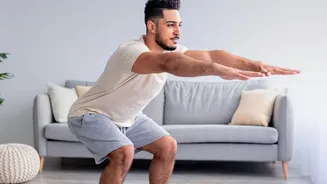
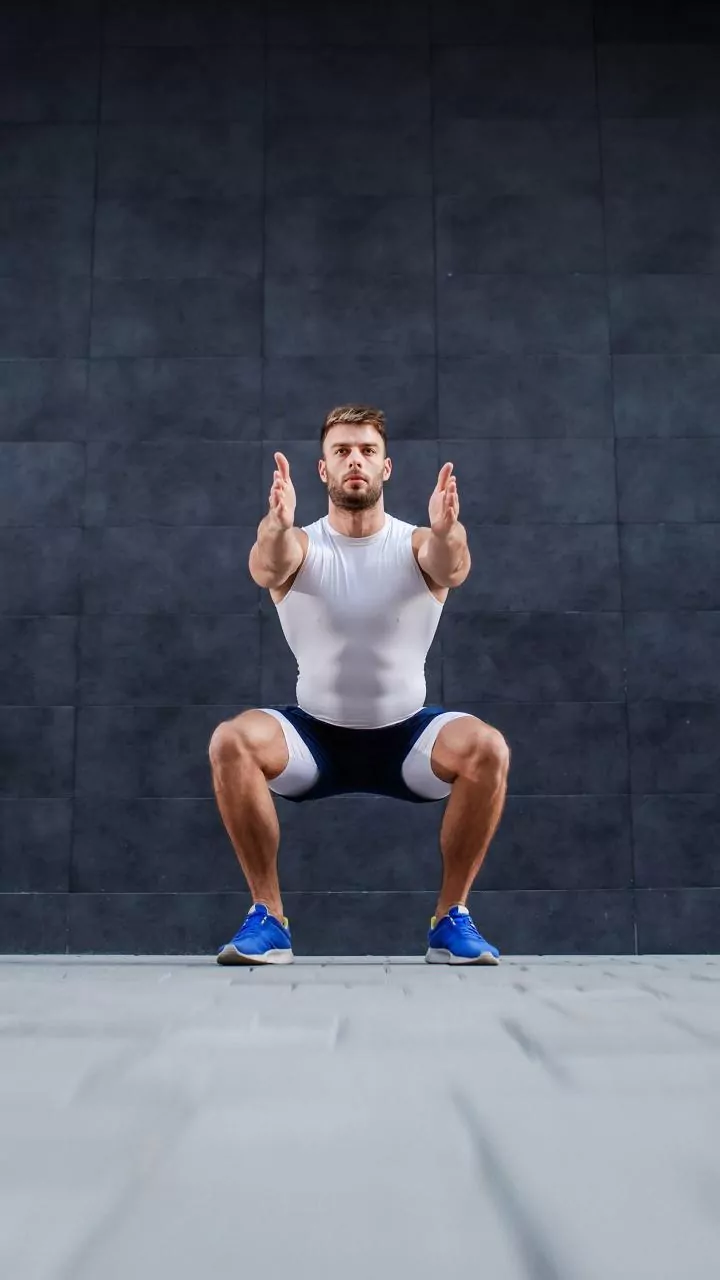
The squat is a fundamental exercise that strengthens your legs, glutes, and core. To perform a squat correctly, stand with your feet slightly wider than your hips, with your toes pointing slightly outwards. Keeping your chest up and back straight, bend at your knees and hips as if you are sitting back into a chair. Lower yourself until your thighs are parallel to the floor, ensuring your knees track in line with your toes and do not extend past them. Push through your heels to return to the starting position. Aim for control and proper form over speed.
Upper Body Strength: Push-Ups
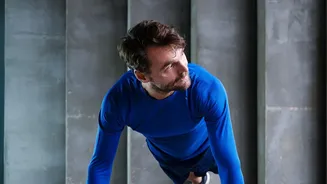
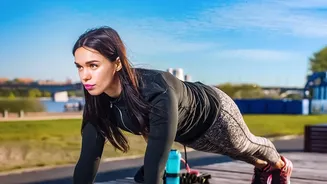
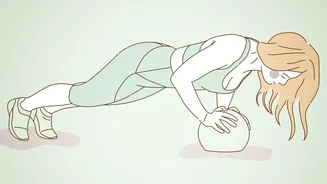
Push-ups are a fantastic exercise for building strength in your chest, shoulders, and triceps. To start, get into a plank position with your hands placed directly under your shoulders. Your body should form a straight line from your head to your heels. Lower your body by bending your elbows, keeping them close to your sides, until your chest is just above the floor. Push back up to the starting position. If a standard push-up is too difficult, you can modify it by performing them on your knees. This variation reduces the weight you have to lift, allowing you to build strength gradually.
Core Stability: The Plank
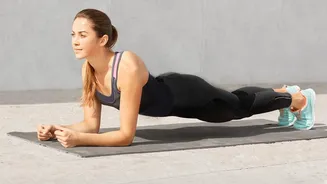
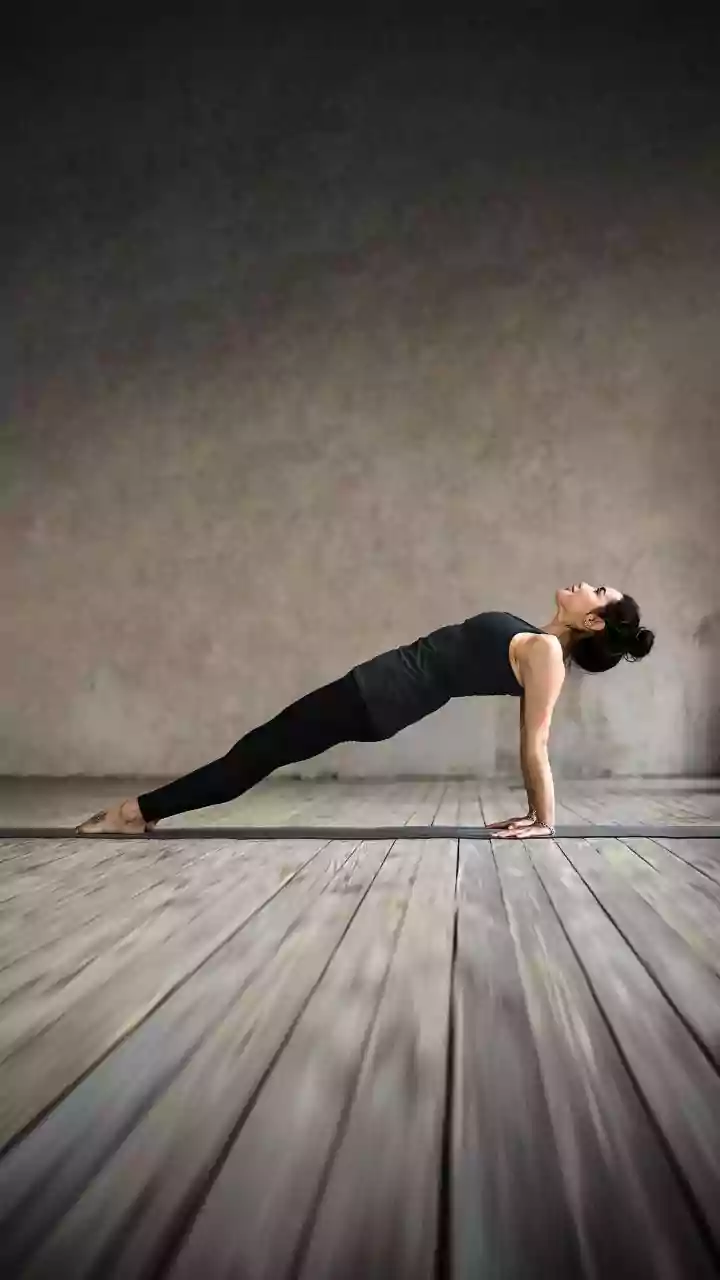
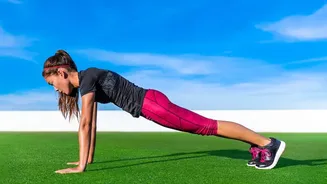
The plank is an isometric exercise that is excellent for developing core strength, which is vital for stability and good posture. To perform a plank, hold a push-up position, either on your hands or forearms, ensuring your body forms a straight, rigid line. Engage your core and glutes to prevent your hips from dropping or rising too high. Start by holding the position for 20-30 seconds, focusing on maintaining perfect form. As you get stronger, you can increase the duration. A strong core supports your spine and improves your ability to perform almost every other exercise.
Lower Body Power: Lunges
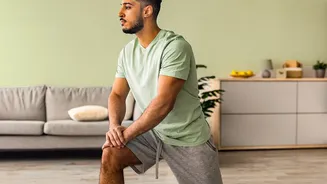
Lunges target your quads, hamstrings, and glutes while also improving your balance. Stand tall and take a large step forward with one leg. Lower your hips until both knees are bent at a 90-degree angle. Your front knee should be directly above your ankle, and your back knee should hover just above the ground. Push off your front foot to return to the starting position, and then repeat on the other side. Keeping your core engaged throughout the movement will help you maintain balance.
Posterior Chain Power: Glute Bridges
The glute bridge is a simple but effective exercise for strengthening your glutes and hamstrings, which are often underused from prolonged sitting. Lie on your back with your knees bent, feet flat on the floor hip-width apart, and your arms by your sides. Engage your core and glutes, and lift your hips off the floor until your body forms a straight line from your shoulders to your knees. Squeeze your glutes at the top of the movement before slowly lowering your hips back down. This exercise is great for improving posture.
Creating Your Beginner Routine
Consistency is more important than intensity when you're starting out. A great way to begin is by creating a simple circuit. Perform each of the exercises above for 10-12 repetitions (or hold the plank for 30 seconds). Move from one exercise to the next with minimal rest in between. After completing all the exercises, rest for 60-90 seconds, and then repeat the entire circuit 2-3 times. Aim to do this workout 2-3 times per week on non-consecutive days to give your muscles time to recover and grow.