





The Winter Air Paradox
When the temperature drops, we shut our windows and doors, unknowingly creating a sealed environment. While this keeps the cold out, it also dramatically reduces ventilation. According to the U.S. Environmental Protection Agency, indoor air can become
two to five times more polluted than the air outside. This is because pollutants from both indoor and outdoor sources get trapped and accumulate. With less fresh air circulating to dilute them, the concentration of these contaminants can rise, posing risks to our respiratory health, especially for children, the elderly, and those with asthma.
The Invisible Invasion From Outside
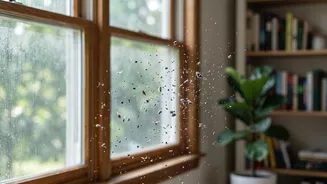
You might think your home is a fortress against outdoor pollution, but smog finds a way in. Fine particulate matter (PM2.5) from traffic and industrial emissions, as well as ground-level ozone, can infiltrate through small cracks and gaps around windows, doors, and even through walls. These particles are so tiny they can penetrate deep into our lungs and even enter the bloodstream, causing irritation and long-term health issues. Even well-sealed homes aren't immune; a significant amount of outdoor pollution still makes its way inside, mingling with the air you breathe every day.
The Enemy Within: Your Cleaning Cabinet
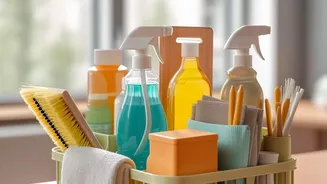
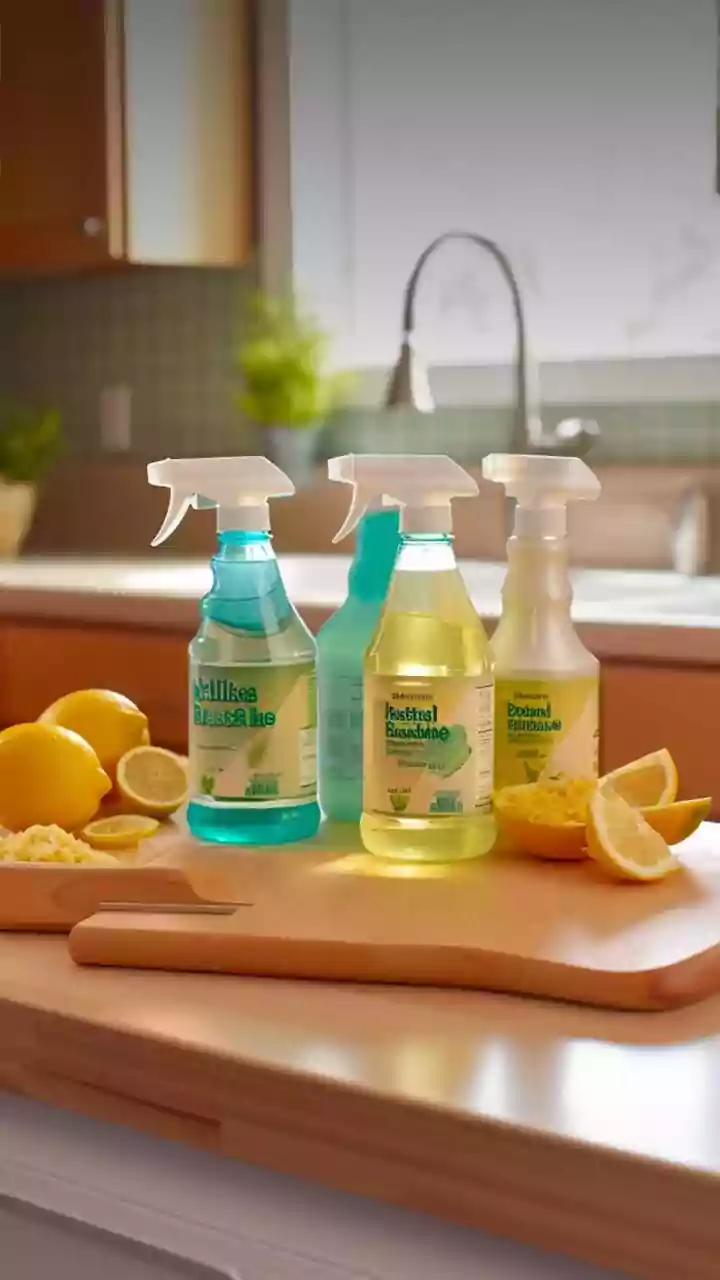
While keeping a clean home is important, the products we use can be a major source of indoor pollution. Many conventional cleaners, air fresheners, and detergents release Volatile Organic Compounds (VOCs). These are chemicals that easily turn into gases at room temperature and can cause headaches, eye and throat irritation, and allergic reactions. Products with strong fragrances, even those marketed as 'natural' like citrus or pine, can be significant emitters of VOCs like terpenes. These chemicals don't just disappear after you clean; they can linger in the air for hours, contributing to poor air quality.
A Dangerous Chemical Reaction
One of the most serious winter risks is the chemical reaction between outdoor smog and indoor cleaning agents. When ground-level ozone from outside air seeps into your home, it can react with the VOCs released by your cleaning products, particularly terpenes found in scented items. This reaction creates new, secondary pollutants, including formaldehyde and ultrafine particles, which can be more harmful than the original chemicals. In essence, your home's air can become a chemical soup where pollutants combine to form even greater threats to your respiratory health.
Your Action Plan: Improve Your Air
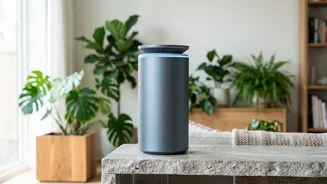
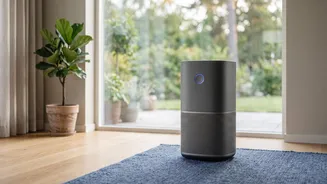
Taking control of your indoor air quality is easier than it sounds. Start by ventilating strategically; opening windows for just five to ten minutes a day can help flush out pollutants, but avoid doing so on days with high outdoor pollution alerts. Use exhaust fans in your kitchen and bathroom to remove pollutants at the source. Consider investing in a high_quality air purifier with both a HEPA filter to capture fine particles and an activated carbon filter to absorb VOCs and ozone. Regularly changing your HVAC system's filter to a higher_rated one (MERV 13 or higher, if your system allows) can also make a big difference by capturing particles that get inside.
Clean Smarter, Not Harder
Rethink your cleaning routine. Opt for fragrance_free products or those certified as low_VOC to reduce chemical emissions. Simple, effective alternatives like a mixture of white vinegar and water can handle many cleaning tasks without the harmful side effects. Always read labels, and avoid products that use vague terms like 'fragrance'. Remember that clean doesn't have a smell; a strong chemical scent often indicates the presence of VOCs. By choosing safer products, you eliminate a primary source of indoor air pollution before it even begins.