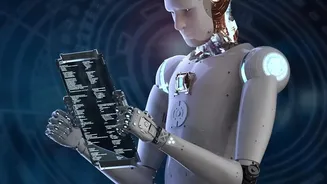



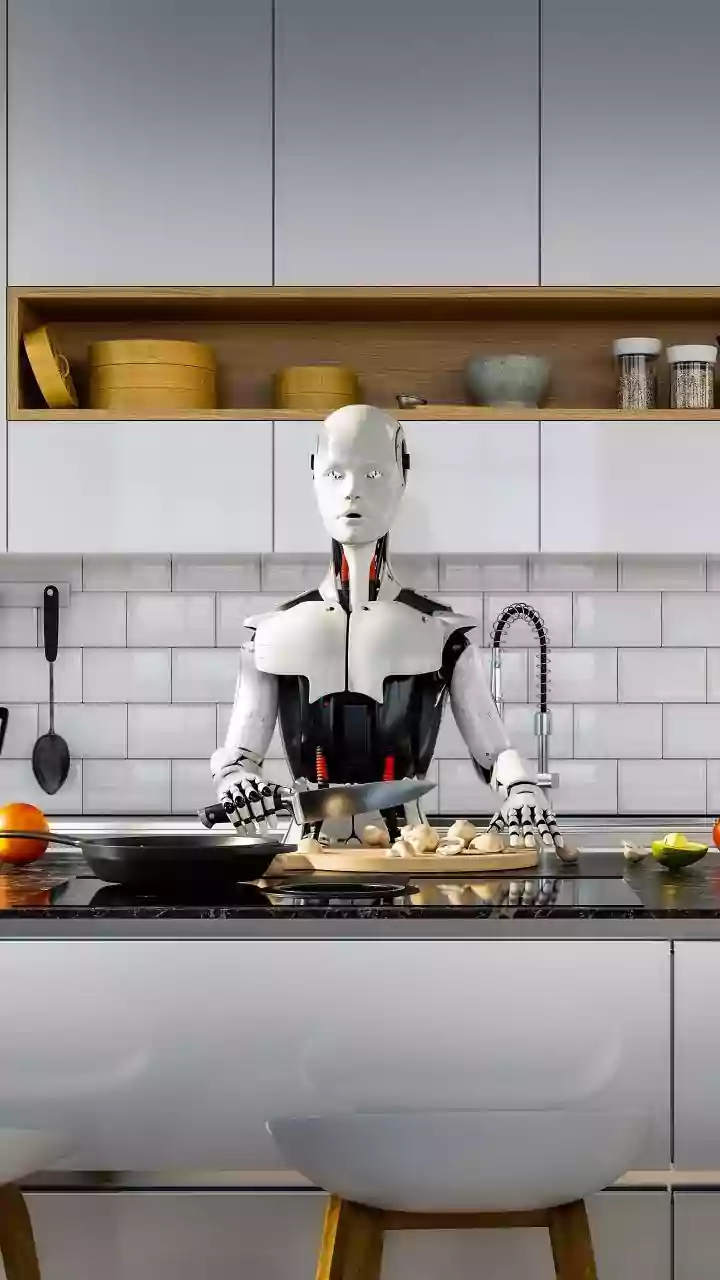



The vision of humanoid robots working alongside humans is closer than ever, with pilot programs launching in major automotive and logistics companies. But before they clock in en masse, firms are doing the math, and the numbers don't always add up.
The Promise and the Pilots
The
allure of a robot that can operate in a human-designed environment without extensive retrofitting is immense. Companies like Figure AI, Agility Robotics, and Tesla are developing humanoids that can walk, lift, and manipulate objects, performing tasks that are repetitive, strenuous, or unsafe for people. High-profile partnerships, such as Figure AI deploying its robots in a BMW manufacturing plant in the US, show that major industry players are taking this technology seriously. These initial deployments are critical for testing the robots' capabilities in real-world scenarios, moving them beyond controlled lab demonstrations and into the complex, dynamic settings of factory floors and warehouses. The goal is to see if these machines can handle tasks in areas like the body shop, sheet metal handling, and general logistics.
The Sticker Shock and Total Cost
While the technology is impressive, the price tag can be a major hurdle. Enterprise-grade humanoid robots from leading Western firms can have upfront costs estimated between $150,000 and $250,000 per unit. However, the initial purchase price is just one part of the equation. Businesses must consider the total cost of ownership, which includes software, integration into existing workflows, maintenance, and potential downtime. Some manufacturers are addressing this through a 'Robotics-as-a-Service' (RaaS) model. For example, leasing a robot like Agility Robotics' Digit can cost around $8,500 per month plus a deployment fee. While this lowers the initial capital expenditure, the recurring cost must still be justified by productivity gains.
The All-Important Return on Investment
For any business, the decision to invest in automation boils down to its return on investment (ROI). For a humanoid robot to be economically viable, it must perform enough productive work to offset its cost in a reasonable timeframe. Some analyses suggest that in high-utilization, multi-shift scenarios, a robot could pay for itself in as little as six to ten months. This calculation, however, depends heavily on the robot's reliability and how much it can truly work without human intervention. If a robot is frequently idle or requires constant supervision, its effective hourly cost rises dramatically, making the ROI much less attractive. The economic case improves significantly the more hours the robot can be put to work, spreading its cost over double or triple shifts.
Hidden Hurdles: Battery Life and Reliability
Beyond the upfront price, practical limitations can undermine the economic argument for humanoid robots. Battery life is a fundamental constraint; many current models can only operate for one to four hours before needing a recharge, making continuous 24/7 operation a challenge. Reliability is another critical factor. Industrial customers expect automation to have an uptime of 95% - 99%, but many humanoids are not yet at that level, requiring interventions that add to the operational cost. Furthermore, the AI software that powers these robots, while advancing rapidly, can still struggle with unexpected edge cases and adapting to novel situations, which can halt work until a human steps in.
The Path to Mainstream Adoption
For humanoid robots to become a common sight in workplaces, their costs must continue to fall while their capabilities and reliability increase. Analysts predict that the average selling price of a humanoid robot could drop significantly by 2030, potentially to around $37,000, driven by economies of scale and competition. Tesla, for instance, has a longterm price target of under $30,000 for its Optimus robot. This price point would make humanoids competitive with the annual cost of human labor in many regions, dramatically changing the ROI calculation for many businesses. As the technology matures and costs decline, the question for many companies will shift from 'if' they should adopt humanoid robots to 'when' and 'how'.