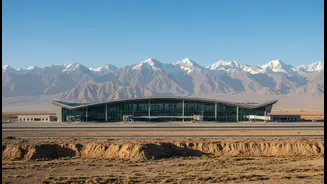









A Gateway Fit for the Himalayas
The centrepiece of this transformation is a new integrated terminal building at Kushok Bakula Rimpochee Airport. Recent updates from the Civil Aviation Minister confirm the project is rapidly nearing completion, with physical construction reported to
be 83% finished as of early July 2026. This isn't just a minor upgrade; it's a complete overhaul designed to meet future demand. The new terminal will dramatically increase passenger handling capacity, with initial estimates suggesting it can serve up to 3.5 million passengers annually. That's a huge leap from the approximately 1.5 to 2 million passengers the older facility handled. The modern, three-level structure will also incorporate culturally significant design elements, giving visitors an authentic welcome to Ladakh.
Tripling Capacity, Boosting Connectivity
The most significant change for travellers will be the sheer increase in flight handling capabilities. The new infrastructure is designed to handle up to 54 flights a day, a threefold increase from the airport's previous capacity of around 18 daily flights. This expansion is crucial. Previously, limited morning flight windows due to strong afternoon winds created a bottleneck, restricting access. The upgrade includes new aircraft bays and aerobridges, which will reduce turnaround times and allow for more efficient operations. This increased frequency will provide greater flexibility for visitors planning their journeys and is expected to play a key role in boosting tourist footfall, which had seen a decline in previous years.
An Engine for the Local Economy
Beyond tourism, the airport expansion is a lifeline for the regional economy. For a place that can be cut off by road during harsh winters, reliable air connectivity is paramount for both residents and strategic needs. The project is expected to create local livelihood opportunities and support the entire tourism ecosystem, from hotels and guesthouses to tour operators and local guides who depend on visitor arrivals. Enhanced connectivity strengthens supply chains and provides a significant boost to economic activity. The expansion also holds strategic importance, improving the ability to move personnel and supplies to a sensitive border region year-round.
A Model for Sustainable Growth?
The Leh airport expansion isn't just about size; it's also about sustainability. The new terminal is set to be a trailblazer in green aviation for India. It will be the country's first airport to use a combination of geothermal and solar power for its heating and cooling needs. A large-scale geothermal system will provide heating, supplemented by a significant rooftop solar power system, drastically reducing the airport's carbon footprint in a fragile ecosystem. This focus on green energy in such a challenging, high-altitude environment sets a new benchmark for infrastructure projects across the country.
The Delicate Balance of Progress
While the promise of increased access and economic growth is celebrated, it also brings significant challenges. Environmental experts and local advocates have long raised concerns about the impact of mass tourism on Ladakh's delicate ecosystem. The region, a cold desert, is already facing acute water scarcity, pollution from improper waste disposal, and strain on its natural resources. The surge in visitors that the new airport will facilitate could exacerbate these issues. Striking a balance between promoting tourism and preserving the very environment and culture that attracts visitors is the critical challenge ahead for the region's administrators and communities.