




Choose Your Lemons Wisely
Not all lemons are created equal, and your choice can impact the final flavour of your biscuits. The most common varieties are Eureka and Lisbon, which are known for their classic tartness and are available year-round. These are a reliable choice for a sharp,
tangy biscuit. For a slightly different profile, consider Meyer lemons. A cross between a lemon and a mandarin orange, Meyer lemons are sweeter and less acidic, offering a more complex, floral citrus note that works beautifully in desserts. Whichever you choose, opt for fruit that is firm, has smooth, bright skin, and feels heavy for its size—a sign it’s full of juice. Whenever possible, use unwaxed lemons, especially since the zest is key to flavour.
Master the Art of Zesting
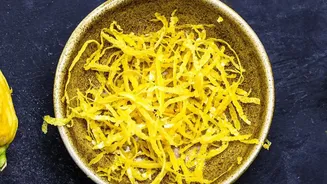
The most potent lemon flavour comes not from the juice, but from the essential oils in the zest. To capture this, you need the right technique. The best tool is a microplane grater, which shaves off only the yellow part of the peel. Avoid grating the white layer underneath, known as the pith, as it contains bitter compounds that can ruin your biscuits. For an extra boost of flavour, try rubbing the lemon zest directly into the sugar with your fingertips before adding it to the butter. This simple step helps release the fragrant oils and infuses them throughout the dough, ensuring a more pronounced and evenly distributed lemon aroma.
The Juice: A Delicate Balance
While zest provides aroma, juice provides acidity and tang. The key is to find a balance between the tartness of the juice and the sweetness of your biscuit dough. Too much juice can make the dough overly wet, causing the biscuits to spread too much during baking. It can also make the flavour overwhelmingly sour. Start with the amount of juice recommended in your recipe and taste the dough. Remember that some of the tartness will mellow during baking. If a recipe uses dairy like milk or buttermilk, the acid in lemon juice can cause it to curdle. This chemical reaction happens when the acid causes the milk proteins to clump together.
Preventing Curdling with Dairy
If your biscuit recipe includes milk or cream, a few simple tricks can prevent curdling when you add lemon juice. One common method is to add the acidic juice as late as possible in the mixing process and to add it gradually while stirring continuously. Another technique is to temper the ingredients. This involves warming the milk slightly before combining it with other ingredients or adding a small amount of the hot or warm liquid from your recipe into the lemon juice before adding it back into the main mixture. Using higher-fat dairy, such as heavy cream, can also reduce the risk of curdling because the higher fat content helps stabilize the proteins.
Perfect the Texture
The texture of a biscuit is just as important as its flavour. For tender, flaky biscuits, it's crucial to use cold fat (like butter) and not to overwork the dough. Over-mixing develops gluten, which can lead to tough, hard biscuits. Mix only until the ingredients are just combined; a slightly crumbly dough is often what you're aiming for. Chilling the dough before baking is another critical step. Resting the dough in the refrigerator for at least 30 minutes solidifies the butter. When the cold butter melts in the hot oven, it releases steam, creating flaky layers and preventing the biscuits from spreading too thin.
Add a Finishing Touch with Glaze
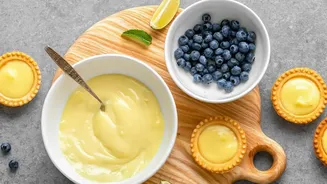
For a final layer of intense lemon flavour, a simple glaze is the perfect finishing touch. A basic lemon glaze can be made by whisking powdered sugar with fresh lemon juice until smooth. You can adjust the consistency by adding more juice for a thinner glaze or more sugar for a thicker one. For the best results, apply the glaze while the biscuits are still slightly warm. You can either drizzle it over the top or dip the biscuits directly into the glaze for a more generous coating. A final sprinkle of fresh lemon zest over the wet glaze not only looks beautiful but also adds an extra aromatic hit.