


Why Your Body Protests the Desk
Our bodies are designed for movement. When you sit for extended periods, several things happen that lead to discomfort. Your hip flexor muscles, which connect your legs to your torso, remain in a shortened position, causing them to become tight. This
tightness can pull on your lower back and contribute to pain. Meanwhile, your gluteal muscles—your body's largest and most powerful muscle group—can become inactive or weak from disuse, a state sometimes called muscle atrophy. This forces smaller, surrounding muscles to compensate, leading to strain. At the same time, you may find yourself slouching, which causes your chest muscles to tighten while the muscles of your upper back become overstretched and weak. This combination of tight and weak muscles is a perfect recipe for pain and stiffness.
Immediate Relief: Stretches You Can Do at Your Desk
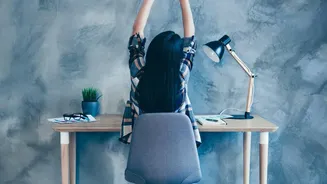
You don't have to wait until you get home to find relief. Integrating short, simple stretches into your workday can make a huge difference. Set a timer to remind yourself to move every 30 to 60 minutes. Try a seated spinal twist by sitting tall and gently twisting your torso to look over one shoulder, using the chair for a light assist. Perform neck tilts by gently dropping your ear toward your shoulder, holding for 15-30 seconds on each side to release tension. You can also do shoulder rolls, lifting your shoulders up toward your ears and then rolling them back and down. For your wrists, extend one arm with the palm up, gently bend your fingers toward the floor with your other hand, and hold to stretch your forearm. These micro-movements improve circulation and prevent muscles from locking up.
After-Work Unwind: Deeper Floor Stretches
Once you're home and have more space, you can perform deeper stretches to target the most affected areas. A standing or kneeling hip flexor stretch is crucial. To do this, step one foot forward into a lunge, keeping your back straight as you push your hips forward to feel a stretch in the front of the back leg's hip. For your glutes and hips, the figure-four stretch is excellent. Lie on your back, cross one ankle over the opposite knee, and gently pull the bottom leg toward your chest. To open up a tight chest, try the doorway stretch. Stand in a doorway, place your forearms on the frame with your elbows slightly below shoulder height, and step forward until you feel a stretch across your chest. Hold each of these stretches for at least 30 seconds to allow the muscle to relax and lengthen.
Build a Resilient Foundation
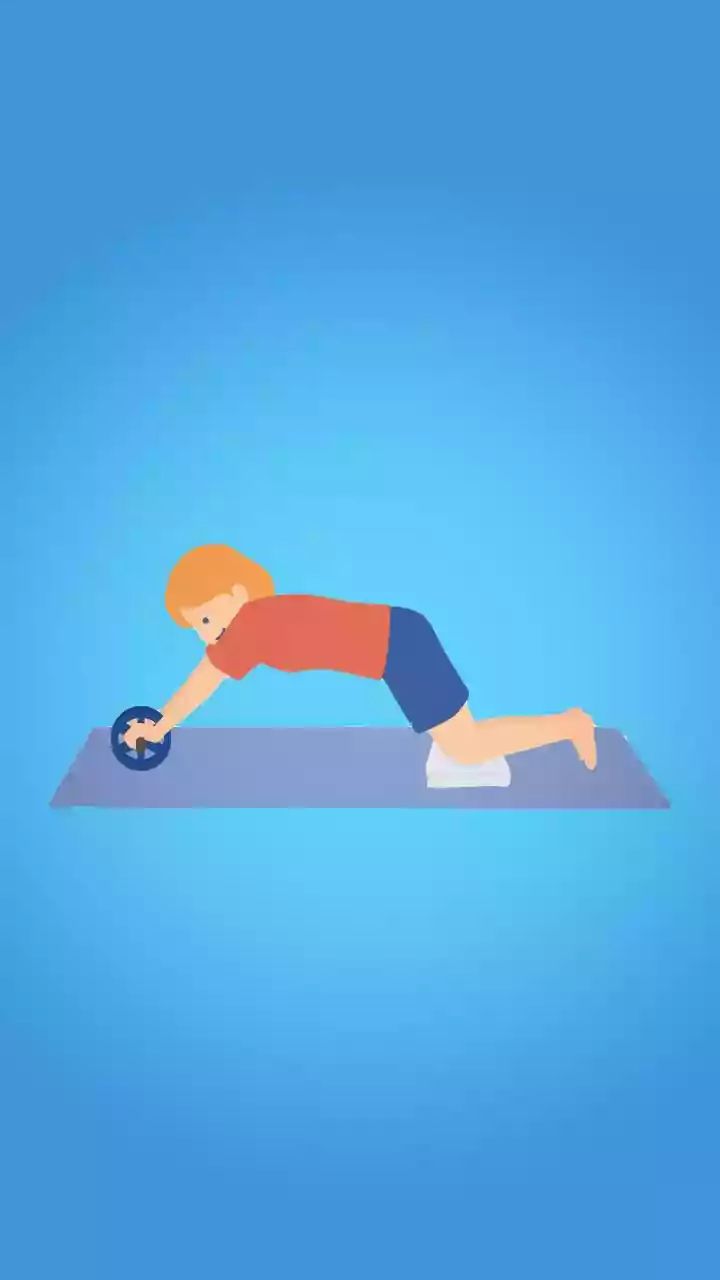
Stretching provides relief, but strengthening weak muscles is the key to long-term prevention. Focus on exercises that activate the muscles that sitting deactivates. Glute bridges are a perfect example: lie on your back with knees bent, feet flat on the floor, and lift your hips toward the ceiling, squeezing your glutes at the top. Exercises that strengthen your core, like planks, help support your spine and improve posture. To combat a hunched upper back, incorporate rows or exercises where you pinch your shoulder blades together to activate those weak muscles. A stronger posterior chain (the muscles on the back of your body) and core will make it easier to maintain good posture and reduce strain throughout the day.
Optimize Your Workspace for Movement
Your environment can either help or hinder your efforts. A few ergonomic adjustments can significantly reduce the strain on your body. Adjust your chair so your feet are flat on the floor and your knees are at a 90-degree angle. Position your monitor so the top of the screen is at or just below eye level to keep your neck in a neutral position. Your keyboard and mouse should be placed so your elbows are bent at roughly a 90-degree angle with relaxed shoulders. Don't store items under your desk, as this can restrict legroom and prevent you from sitting correctly. These small tweaks encourage better posture and make sitting less of a physical burden.