




Embracing Tradition with Alpana and Diyas
The most authentic festive atmosphere often comes from embracing tradition. Drawing 'Alpana', the beautiful white motifs made from rice flour paste, on your floors and at the entrance is a timeless practice that instantly sanctifies the home. These intricate
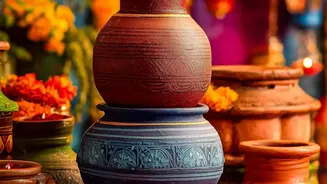
designs, passed down through generations, are not just decorative but are considered auspicious symbols to welcome the Goddess. Pair these with the simple, warm glow of earthen 'diyas' or oil lamps. Placing them around your Alpana, in corners of your home, and near the altar does more than just illuminate the space; it signifies the triumph of light over darkness and adds a serene, pure energy that no expensive electronic light can truly replicate.
The Natural Beauty of Flowers and Leaves
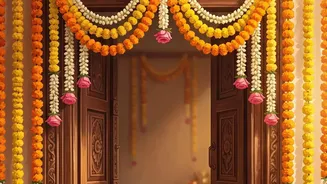
There is a reason why marigold flowers and mango leaves have been a mainstay of Indian festive decor for centuries. A 'toran' made of fresh marigolds and mango leaves hung across the main door is believed to bring good fortune and ward off negative energy. The vibrant orange and yellow of the marigolds bring visual warmth, while mango leaves are symbolic of prosperity and abundance. Instead of opting for artificial decorations, creating long garlands of fresh flowers to adorn walls or making floral rangolis on the floor connects the celebration back to nature and its bounties. The natural fragrance and delicate beauty of these arrangements create a sensory experience that is both grounding and uplifting.
Upcycling with a Touch of Nostalgia
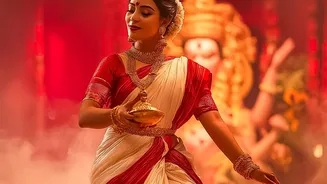
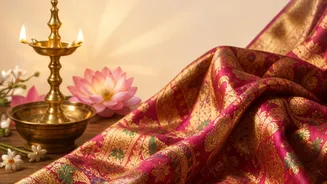
Your home already contains treasures waiting to be rediscovered. That old Banarasi or silk saree that belonged to your mother or grandmother can be repurposed into a stunning backdrop for your idol or a colourful throw for your seating area. These fabrics carry with them stories and memories, adding a layer of personal history and emotional warmth to your decor. Similarly, old glass jars and bottles can be transformed into beautiful lanterns or diya holders with a bit of paint or by placing strings of fairy lights inside them. This approach is not only sustainable and budget-friendly but also ensures your decor is unique and filled with personal meaning.
Creating an Atmosphere with Sound and Scent
Authentic joy engages all the senses. While visual decoration is important, don't forget the power of sound and scent to create a truly festive mood. Create a playlist of traditional Durga Puja mantras, devotional songs, and the resonant beats of the 'dhak' to play softly in the background. This instantly transports you to the heart of the celebration. For fragrance, light traditional incense sticks ('agarbatti') or 'dhuno', the fragrant resin burned in an earthen censer. The combination of these sounds and smells is deeply embedded in the cultural memory of Durga Puja and is incredibly powerful in evoking a spiritual and joyous atmosphere.
The Joy of Shared Creation
Perhaps the most significant reason simple, DIY decor brings more joy is the process of creating it together. When family members, from children to elders, sit together to string flowers, paint diyas, or draw alpana, the act itself becomes a celebration. It fosters connection, creates new memories, and strengthens family bonds. This shared effort turns your home into a collaborative canvas of love and devotion. The joy derived from looking at a hand-painted diya or a collectively made rangoli is far greater than that from a store-bought item, as it is infused with the love and laughter of the people you cherish. The focus shifts from passive consumption to active participation, which is the very essence of community-centric festivals like Durga Puja.