




As the festival of lights approaches, homes across India prepare to glow with warmth and joy. This year, imagine a celebration that is not only beautiful but also mindful, blending timeless elegance with a conscious respect for our planet and heritage.
The True Cost of Convenience
Diwali often brings a rush of decoration shopping, where convenience leads us to single-use plastics, synthetic rangoli powders, and thermocol items. These products, designed for one-time use, contribute significantly to the thousands of tonnes of non-biodegradable waste generated each festive season. Inexpensive plastic torans, disposable glitter, and artificial flowers may seem like an easy choice, but they carry a long-term environmental price, lingering in landfills for decades. The shift towards sustainability isn't about compromising on festive splendour; it’s about rediscovering the beauty in things that last and making choices that honour both tradition and the environment.
The Soul of Handcrafted Elegance
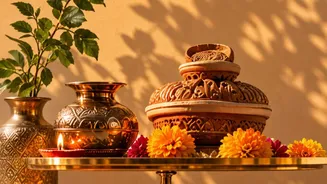
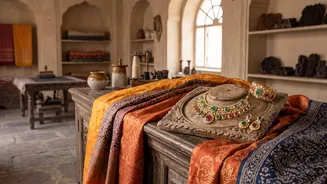
There is a unique soul to items made by hand. Unlike mass-produced goods, a handcrafted piece carries the artisan's touch, with slight variations that make it one-of-a-kind. Choosing hand-carved wooden decor, terracotta diyas, or hand-painted ornaments infuses your home with a story and a sense of character that factory-made items cannot replicate. This style of decor brings a natural, earthy texture and warmth into your space. The elegance of handcrafted items lies in their authenticity and the knowledge that they were created with skill and passion, adding a layer of meaning to your festive preparations that goes beyond mere decoration.
Supporting Artisans and Preserving Heritage
When you purchase a handcrafted item, your choice extends far beyond your home. It becomes an act of support for India’s rich craft culture and the skilled artisans who are its custodians. Many of these craftspeople come from rural regions where traditional skills are the primary source of livelihood. Opting for their creations helps sustain these age-old art forms—from pottery and weaving to metalwork and painting—ensuring they are passed down to future generations. This conscious consumerism aligns with a growing 'Vocal for Local' sentiment, where every purchase strengthens local economies and empowers artisan communities, making your celebration a force for good.
From Disposable to Heirloom
One of the most compelling aspects of reusable decor is its potential to become part of your family's story. A set of brass diyas, a beautifully embroidered fabric toran, or a wooden rangoli stencil can be brought out year after year. Instead of being discarded, these items collect memories, becoming cherished heirlooms associated with the joy of past Diwalis. This practice not only reduces waste but also creates new family traditions. The act of carefully storing and reusing these decorations can become a meaningful ritual in itself, teaching younger generations the value of sustainability and sentimentality over disposability.
Practical Swaps for a Greener Diwali
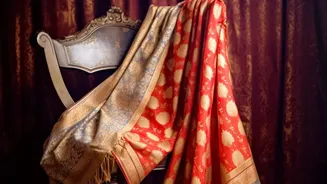
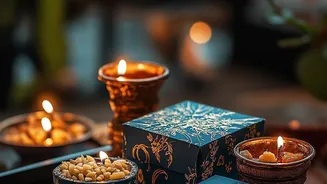
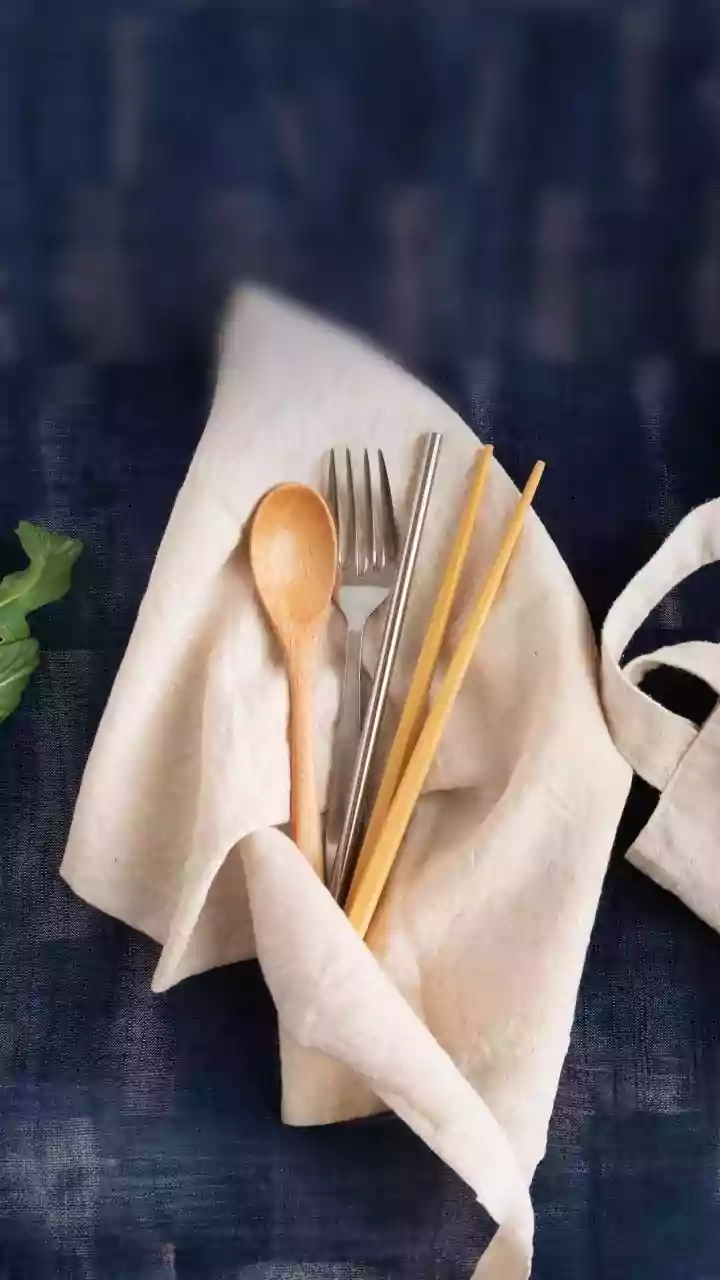
Making the switch is easier than you might think. Start by replacing single use items with lasting alternatives. Instead of plastic garlands, opt for fresh marigold torans, which are biodegradable, or fabric ones that can be used for years. Create stunning rangolis with natural materials like rice flour, turmeric, and flower petals instead of synthetic powders. Choose traditional clay diyas over plastic or thermocol versions. For lighting, energy efficient LED strings are a better investment than cheap, disposable lights. Even upcycling can play a role; old glass jars can be transformed into beautiful lanterns, and colourful sarees can be repurposed as festive table runners or drapes.