




Why Pets Are More at Risk
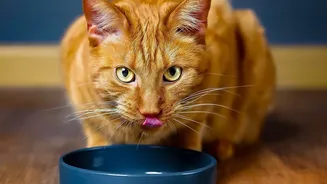
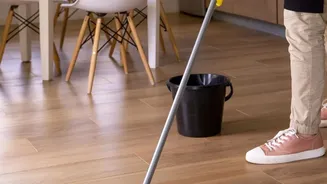
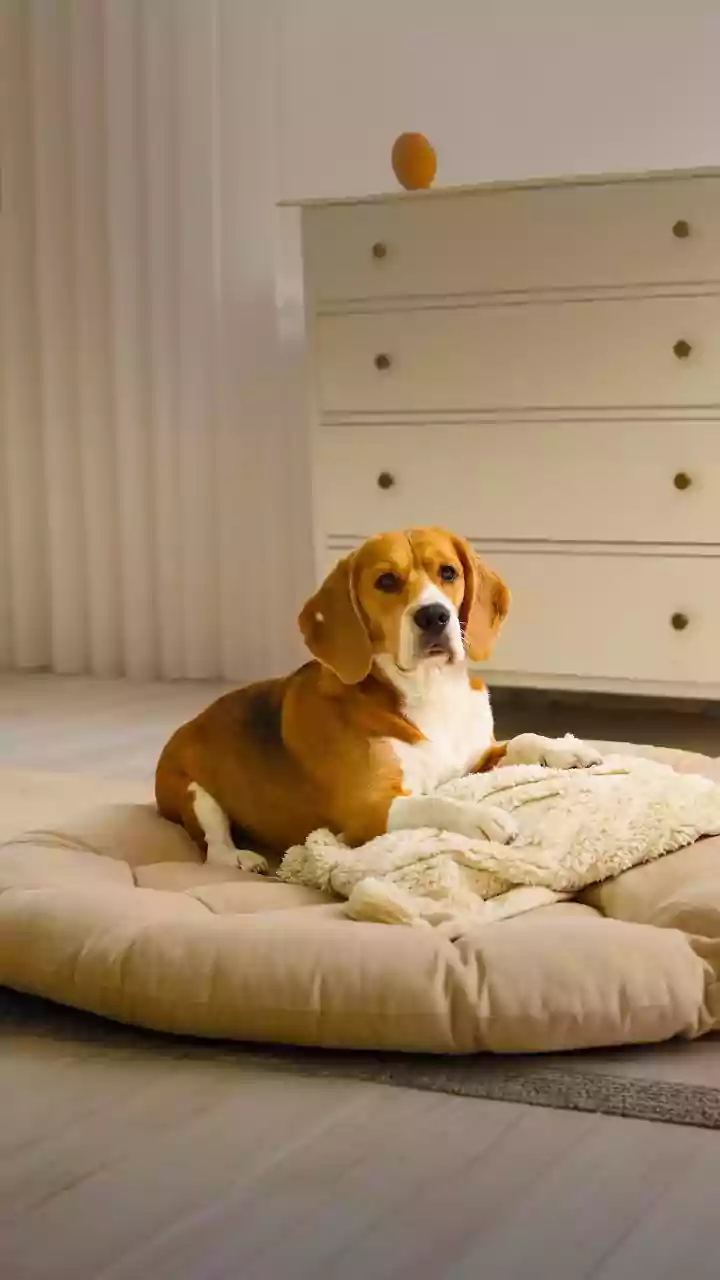
Our pets live their lives closer to the ground. They walk on freshly cleaned floors, lie on them, and sometimes even lick them. This proximity puts them at a higher risk of exposure to harmful chemicals. Their paws can absorb residues, they can inhale
fumes that linger in the air just above the floor, and they can ingest toxins by licking their fur and paws during grooming. Because pets have smaller bodies and faster metabolisms, these chemicals can have a more significant and faster impact, potentially leading to serious health issues.
Toxic Ingredients to Watch For
Reading the label is the first step to protecting your pet. Many popular floor cleaners, including disinfectants, contain ingredients that are dangerous for animals. Key culprits to avoid include phenols (sometimes listed as carbolic acid), which are especially toxic to cats as they lack the liver enzymes to process them safely. Other hazardous chemicals are ammonia, chlorine bleach (sodium hypochlorite), isopropyl alcohol, and formaldehyde. Even products with vague terms like "fragrance" can hide a cocktail of chemicals, such as phthalates, which are linked to respiratory and hormonal issues.
Signs of Poisoning to Never Ignore
If a pet is exposed to a toxic cleaner, they may show a range of symptoms. The signs can appear within minutes or take hours to develop. Common digestive issues include sudden vomiting (with or without blood), excessive drooling, loss of appetite, and diarrhoea. You might also notice neurological signs like disorientation, tremors, seizures, or difficulty walking. Respiratory distress, such as coughing, wheezing, or difficulty breathing, is also a serious red flag. On the skin, you might see rashes, blisters, or chemical burns, particularly on the paws.
What to Do in an Emergency
If you suspect your pet has ingested or been exposed to a toxic cleaner, act quickly. First, immediately remove your pet from the area to prevent further contact. Do not try to induce vomiting unless explicitly told to by a professional, as it can sometimes cause more harm. Call your veterinarian or an animal poison control helpline right away. Have the product's container on hand so you can provide specific information about the ingredients. If the chemical is on their fur or skin, you may be advised to wash the area with mild soap and water.
Choosing Pet-Safe Alternatives
The safest way to clean is to switch to products specifically designed to be pet-friendly. In India, a growing number of brands offer plant-based or bio-enzyme formulas that are free of phenols, bleach, and ammonia. Brands like Koparo, Born Good, and Unleash Wellness are formulated to be safe for homes with pets, using ingredients derived from natural sources. Bio-enzyme cleaners are particularly effective as they use good bacteria to break down organic grime and odours without leaving harmful residues. For a simple DIY solution, a mixture of white vinegar and water can be an effective cleaner for many floor types, though you should ensure your pet does not ingest the undiluted vinegar.