





The End of the Planning Rut
For years, planning an international holiday from India involved a familiar, often tedious, checklist: apply for a visa, wait for approvals, and book flights weeks or even months in advance. Spontaneity was a luxury few could afford. That's changing,
and fast. A strategic shift in tourism policy across several Southeast Asian nations is dismantling these barriers, specifically targeting the world's most populous country and its burgeoning middle class of eager travellers. Countries are realising that the fastest way to boost their tourism economies is to simply open the doors. The result? A dramatic surge in last-minute bookings and a fundamental change in how Indians think about taking a vacation.
Thailand: 30 Days of Freedom
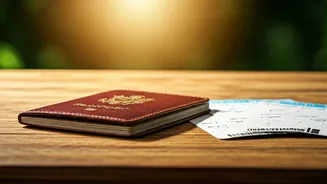
Leading the charge is Thailand. The government recently announced that Indian citizens can enter the country without a visa and stay for up to 30 days. This policy, currently in effect until May 2025, replaces the previous visa-on-arrival system, saving travellers both time and money (around ₹4,000–₹5,000 in visa fees). Travel portals reported an immediate and significant spike in search queries and bookings for Bangkok, Phuket, and Krabi. The move makes a spontaneous long-weekend trip to a Thai beach or a sudden shopping spree in Bangkok not just possible, but incredibly simple. All you need is a valid passport and a return ticket.
Malaysia: Culture and Cityscapes, Visa-Free
Not to be outdone, Malaysia followed suit, offering 30-day visa-free entry for tourists from India. This policy opens up a world of diverse experiences, from the futuristic skyline of Kuala Lumpur with its iconic Petronas Towers to the historic colonial architecture of Penang and the pristine rainforests of Borneo. For Indian families and solo travellers alike, the waiver removes a key administrative hurdle. This has been a game-changer for airlines and travel agents, who are now marketing 'fly tonight' deals and weekend packages that were previously unfeasible. The ease of access makes Malaysia a prime contender for that impulse holiday.
Sri Lanka: The Island Next Door Beckons
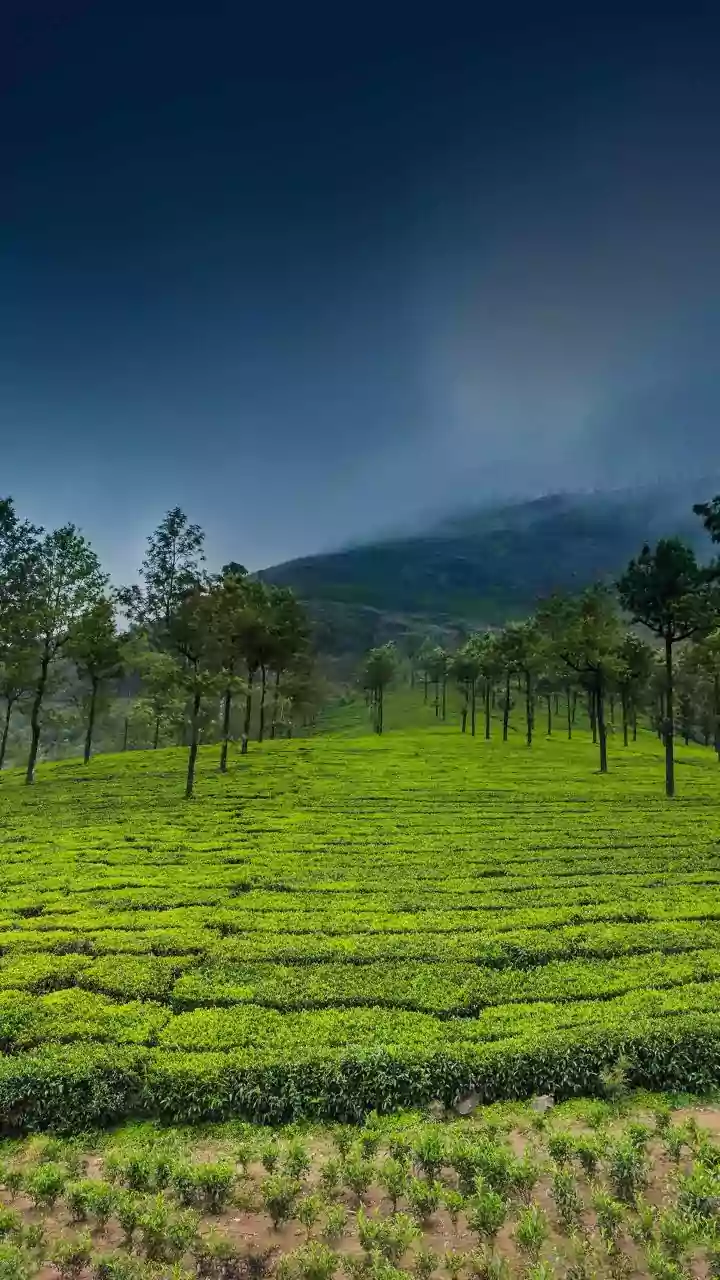
Joining the trend, Sri Lanka launched a pilot program granting visa-free entry to visitors from India and six other countries. Given its proximity, cultural ties, and incredible natural beauty, Sri Lanka has always been a popular choice. Removing the visa requirement makes it almost as easy to visit as a domestic destination. From the ancient rock fortress of Sigiriya to the rolling tea plantations of Nuwara Eliya and the surf-friendly southern coast, the island offers a compressed world of adventure. This policy is a clear attempt to revitalise its tourism sector by attracting its closest and largest neighbour.
Why Now? The Economic Calculation
This isn't just a gesture of goodwill; it's smart economics. Post-pandemic, nations heavily reliant on tourism are in a fierce competition for visitors. The Indian outbound travel market is one of the largest and fastest-growing in the world. Before the pandemic, Indians spent billions of dollars on overseas travel, and that number is projected to skyrocket. By removing visa requirements, countries are making a calculated bet: the money lost on visa fees is minuscule compared to the potential revenue from flights, hotels, food, and shopping. They are essentially removing friction for a high-value customer base, and the strategy appears to be paying off handsomely.