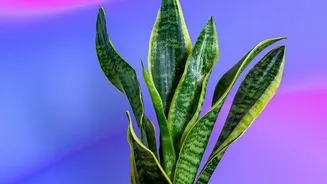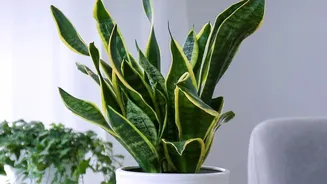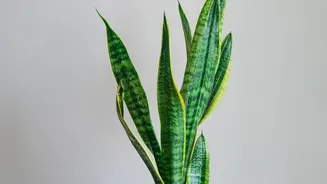




The 'Unkillable' Houseplant for Modern Homes
The snake plant, scientifically known as Dracaena trifasciata (and formerly Sansevieria), has earned a stellar reputation as one of the most forgiving houseplants available. For busy professionals, frequent travellers, or anyone who simply lacks a green
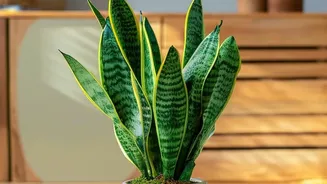
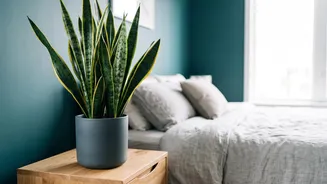
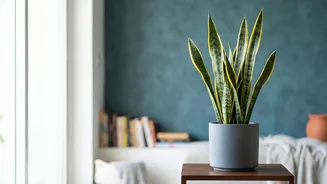
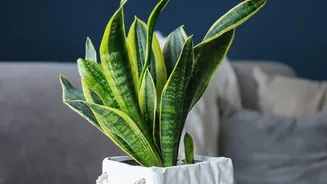
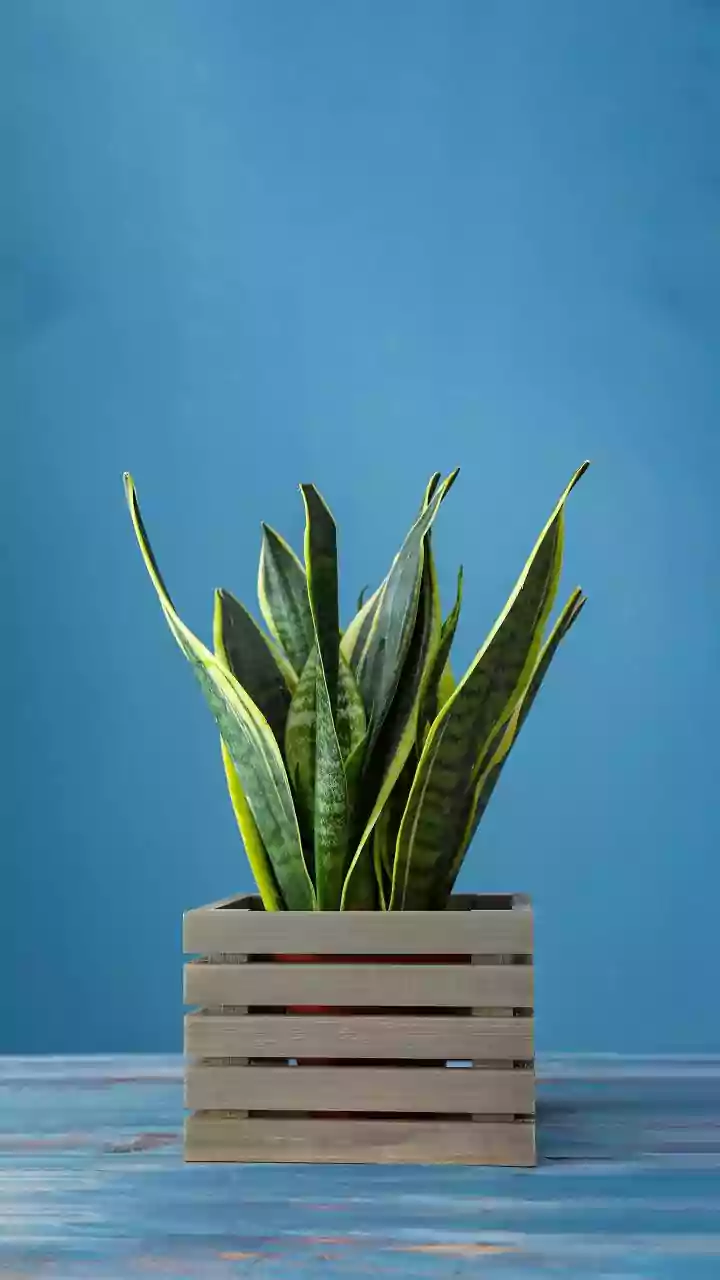
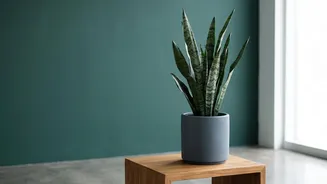
thumb, this plant is a game-changer. Its resilience is legendary; it can tolerate a wide range of conditions and bounce back from periods of neglect. Native to West Africa, it's perfectly suited for the warm climates found across India and adapts beautifully to indoor living. Its architectural, sword-like leaves add a touch of modern elegance to any space, making it a favourite for homes and offices alike. With numerous varieties like the popular 'Laurentii' with its yellow edges or the silvery 'Moonshine', there's a snake plant to fit every aesthetic.
A Sip of Water Is More Than Enough
The single biggest mistake new plant parents make is showing too much love, especially with water. For a snake plant, overwatering is its primary enemy. As a succulent, it stores water in its fleshy leaves, making it extremely drought-tolerant. The best rule of thumb is to let the soil dry out completely between waterings. For most Indian homes, this could mean watering as infrequently as every 2-4 weeks in the summer and even less—perhaps once a month—during the monsoon or winter. Before you water, always check the soil; if the top few inches are dry, it's time for a drink. If not, wait another week. This 'less is more' approach is precisely what makes it so low-maintenance.
A Breath of Fresh Air, With a Caveat
Much of the snake plant's fame comes from its air-purifying abilities, a claim popularised by a 1989 NASA study. The study found that snake plants can filter common household toxins like formaldehyde, benzene, and xylene from the air. Uniquely, they perform a type of photosynthesis that allows them to release oxygen at night, which has made them a popular choice for bedrooms. However, it's important to have realistic expectations. The NASA study was conducted in a sealed laboratory environment. In a typical home with airflow, you would need a large number of plants to significantly purify the air. Think of it as a helpful bonus: your snake plant is contributing to a cleaner indoor environment, even if it's not a replacement for a dedicated air purifier.
Thriving in Almost Any Light
Another hallmark of the snake plant is its incredible adaptability to different light conditions. While it prefers bright, indirect sunlight, it is famously tolerant of low-light corners of your home. This makes it exceptionally versatile, suitable for apartments that don't get much sun or rooms with north-facing windows. In lower light, its growth may slow down, but the plant will remain healthy. The only placement to avoid is harsh, direct sunlight, especially during hot Indian afternoons, as it can scorch the leaves. To keep it growing evenly, it's a good idea to rotate the plant every few weeks.
A Note for Homes with Pets and Children
Despite its many benefits, it is important for pet owners and parents of young children to be aware that the snake plant is toxic if ingested. It contains compounds called saponins which can cause gastrointestinal issues like nausea, vomiting, and diarrhea in cats, dogs, and humans if eaten. The plant has a bitter taste that usually deters pets from taking more than a small bite, and severe cases of poisoning are rare. However, it's always wisest to place the plant out of reach of curious pets and toddlers to be safe.