



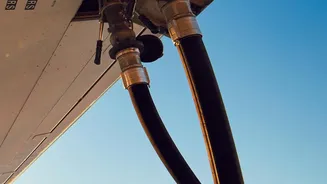

The Journey Begins with Transport
The most direct impact of a crude oil price hike is felt in the transportation sector, the circulatory system of India's economy. Since India imports over 85% of its crude oil requirements, any surge in global prices translates quickly to higher costs
for petrol and, more critically, diesel. Diesel powers the country's vast network of trucks that move raw materials to factories and finished goods to markets. When freight costs rise, that expense doesn't just disappear; it gets added to the price tag of nearly every product you buy. A 10-15% increase in trucking rates following an oil price spike migrates into the cost structure of everything from fresh vegetables to consumer electronics. Airlines are also hit hard, with aviation turbine fuel accounting for 30-40% of their operating costs, leading to pricier tickets and thinner margins.
From Factory Floor to Store Shelf
Beyond logistics, crude oil is a fundamental raw material for a host of industries. The paint on your walls, the plastics in your car, and the chemicals used in manufacturing all have origins in petroleum derivatives. When crude prices rise, companies in these sectors face a sharp increase in their input costs. Sectors like paints, chemicals, and fertilisers are directly exposed. For example, most raw materials for paint, such as solvents and resins, are derived from crude oil. Faced with shrinking profit margins, companies eventually pass these higher costs on to consumers through price hikes. This isn't limited to large-scale manufacturing; even the real estate sector feels the pinch. Higher fuel costs make transporting materials like cement and steel more expensive and increase the operating costs of on-site machinery, ultimately contributing to higher property prices.
The Squeeze on Your Household Budget
The cumulative effect of expensive transport and pricier manufactured goods is felt directly in your wallet through broader inflation. As the costs of producing and moving goods rise, so do the prices at the retail level. This pushes up both the Wholesale Price Index (WPI) and the Consumer Price Index (CPI), the key measures of inflation. Higher inflation erodes your purchasing power, meaning your money buys less than it used to. This is particularly challenging for lower- and middle-income households, who spend a larger portion of their income on essentials like food and transport. The end result is less discretionary income for other spending, which can slow down overall economic momentum as private consumption falls.
The Government's Difficult Balancing Act
Rising oil prices also create a significant challenge for the government's finances. A higher import bill widens the country's current account deficit (CAD), as more dollars are needed to pay for the same amount of oil. Studies suggest that a sustained $10 per barrel increase in crude prices can widen the CAD by about $9-15 billion and reduce India's GDP growth by around 0.2-0.4 percentage points. This puts downward pressure on the rupee, which in turn makes all imports, including oil, even more expensive—creating a negative feedback loop. The government faces a tough choice: either let fuel prices rise and risk higher inflation, or cut excise duties and taxes on fuel to cushion the blow for consumers. While tax cuts provide immediate relief, they lead to a loss of revenue, straining the fiscal deficit and limiting the government's ability to spend on other priorities.