



Start with a Thorough Cleanup
The first step is a good clear-out. The monsoon often leaves behind a trail of fallen leaves, broken twigs, and debris in pots and on the balcony floor. Removing this clutter is not just about aesthetics; it’s crucial for preventing fungal diseases and denying
pests a place to hide. Wipe down railings, clean the floor, and get rid of any stagnant water in trays or odd corners. A clean space is the foundation of a healthy post-monsoon garden. Don't forget to disinfect your gardening tools before and after you use them to avoid spreading any hidden pathogens from one plant to another.
Assess Drainage and Revive the Soil
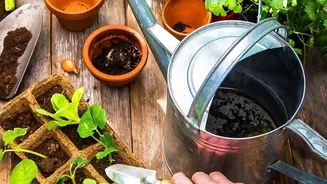
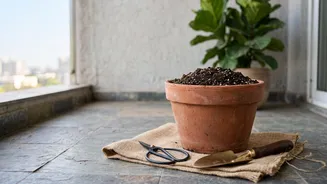
Monsoon rains can compact the soil in your pots, suffocating the roots and leaching out essential nutrients. Now is the perfect time to gently loosen the topsoil with a small fork or trowel, which helps the roots to breathe again. This is also a good opportunity to check that the drainage holes in your pots are not clogged. To replenish lost nutrients, add a layer of organic compost or well-rotted vermicompost. This will give your plants the gentle boost they need without the harshness of chemical fertilizers, which are best avoided immediately after the rains.
Prune for Health and Shape
Your plants likely put on a lot of leggy growth during the rains. Post-monsoon pruning is essential to remove any damaged, diseased, or yellowing leaves and branches. This improves air circulation, which is vital for preventing fungal growth in the still-humid air. For flowering plants like hibiscus, bougainvillea, and jasmine, a light trim will encourage bushier growth and a new flush of blooms. However, don't go overboard; focus on shaping the plant and removing unhealthy parts rather than a hard prune. Use clean, sharp shears to make precise cuts.
Manage Pests and Diseases
High humidity makes the post-monsoon period a prime time for pests like mealybugs, aphids, whiteflies, and fungal issues like powdery mildew and leaf spot. Inspect your plants carefully, paying close attention to the undersides of leaves and new shoots. For most common pests, a simple spray of neem oil solution (a few ml of oil with a drop of liquid soap in a litre of water) is an effective organic remedy. If you spot signs of fungal disease, like white powdery coatings or dark spots, remove the affected leaves immediately and ensure the plant has good air circulation.
Adjust Your Watering Schedule
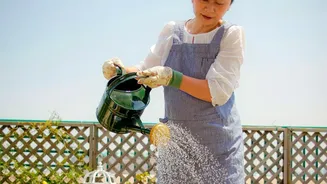
With the rains gone and the sun making a stronger appearance, you’ll need to start watering again, but be cautious. The soil in your pots may still be retaining a lot of moisture. Overwatering is a common mistake that leads to root rot. The best rule is to check the soil before you water. Poke your finger about an inch into the topsoil; if it feels dry, it's time to water. If it’s still damp, wait another day. Your plants' water needs will gradually increase as the weather gets drier and brighter.
Plan and Plant for Winter
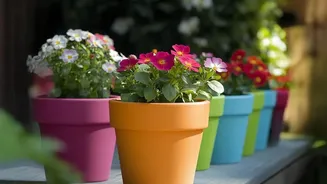
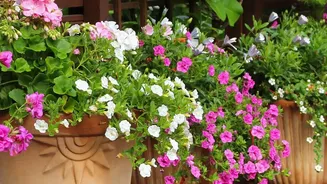
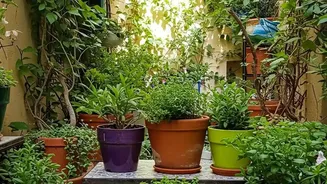
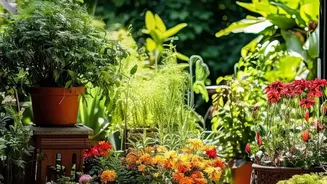
October and November are the perfect months to sow seeds for India's beautiful winter flowering season. Clear out any monsoon annuals that are past their prime to make space. Consider planting popular winter blooms that do well in pots, such as petunias, pansies, marigolds, chrysanthemums, snapdragons, and dianthus. Many of these are easy to grow and will reward you with vibrant colour through the cooler months. Prepare your pots with fresh, well-draining soil mix and get your seeds or saplings ready for a spectacular winter display.